

Cyclone Montha Fury! IMD Red Alerts as 92mm Rain Hammers Andhra!
Cyclone Montha Fury! IMD Red Alerts as 92mm Rain Hammers Andhra!
AI Summary
Cyclone Montha intensified into a severe cyclonic storm with 110 kmph winds, triggering Andhra's evacuation of 10,000 residents and Chennai's strategic reservoir releases. IMD's red alerts highlight asymmetric rainfall (92.25mm in Andhra vs 13cm in Chennai), showcasing regional disaster response disparities and climate resilience strategies.
Keywords
Tracking Severe Cyclonic Storm Formation
Meteorological trajectory and intensity forecasts
The India Meteorological Department (IMD) didn't just sound the alarm—they rang the bell with surgical precision as Cyclone Montha escalated into a Severe Cyclonic Storm. At 05:30 UTC on October 28, 2025, the storm's coordinates told a chilling story: 190 km south-southeast of Machilipatnam, packing winds that would make any coastal planner sweat (90-100 kmph sustained, 110 kmph gusts). The IMD's real-time tracking painted a north-northwest path straight toward Kakinada, with storm surges threatening to rewrite coastal topography.
What separates routine weather alerts from life-saving interventions? The 12-hour rapid intensification phase—a meteorological equivalent of watching a pressure cooker hit critical mass. Chennai's Regional Meteorological Centre (RMC) confirmed the storm's west-central Bay of Bengal position with GPS-level accuracy, enabling Machilipatnam-Kalingapatnam evacuations before the first raindrop fell.
Comparative rainfall distribution patterns
RAINFALL_DISTRIBUTION
| District | Max Rainfall (mm/cm) | Alert Level | Key Location | Timeframe |
|---|---|---|---|---|
| Tiruvallur (TN) | 13 cm | Orange | Ennore, Chennai | 24h to Oct 29 AM |
| Visakhapatnam (AP) | 92.25 mm | Red | Jathara | Oct 27 8:30AM-7PM |
| Anakapalli (AP) | 86 mm | Red | Madhurawada | Oct 27 8:30AM-7PM |
Here's where Mother Nature played favorites: while Chennai's Ennore soaked up 13 cm like a sponge over 24 hours, Andhra's Jathara got hammered with 92.25 mm in under 12 hours—a textbook case of asymmetric rainbands flexing their muscle. The IMD's alert hierarchy reflected this disparity, with orange versus red warnings separating the drenched from the drowned.
Tamil Nadu's rainfall played nice—spread evenly like butter on toast (11 cm in Vellore's Virinjipuram). Meanwhile, Andhra's precipitation partied hard along the coast, turning irrigation tanks into champagne flutes at 95% capacity. The RMC's nowcast nailed this dichotomy: steady showers for Chennai's suburbs versus biblical downpours in Andhra's danger zones.
Emergency Response Coordination
Evacuation protocols and rehabilitation measures
Andhra Pradesh's disaster response machinery kicked into high gear, showcasing textbook-perfect execution of evacuation protocols. The state's preemptive relocation of 10,000 coastal residents—including 787 pregnant women receiving hospital-based maternity care—demonstrates hard-won operational expertise from previous cyclones like Hudhud. With 551 rehabilitation centers activated across 17 districts, the administration's decision to cancel official leaves ensured full crisis staffing—a move that paid dividends when Konaseema's 126 high-risk pregnancies required emergency transfers.
The logistical backbone—3,211 generators prepositioned for 2,707 villages, supplemented by satellite phone networks—reveals meticulous resilience planning. This operational playbook, refined through successive disasters, sets benchmarks for coastal states nationwide.
Critical infrastructure preparedness
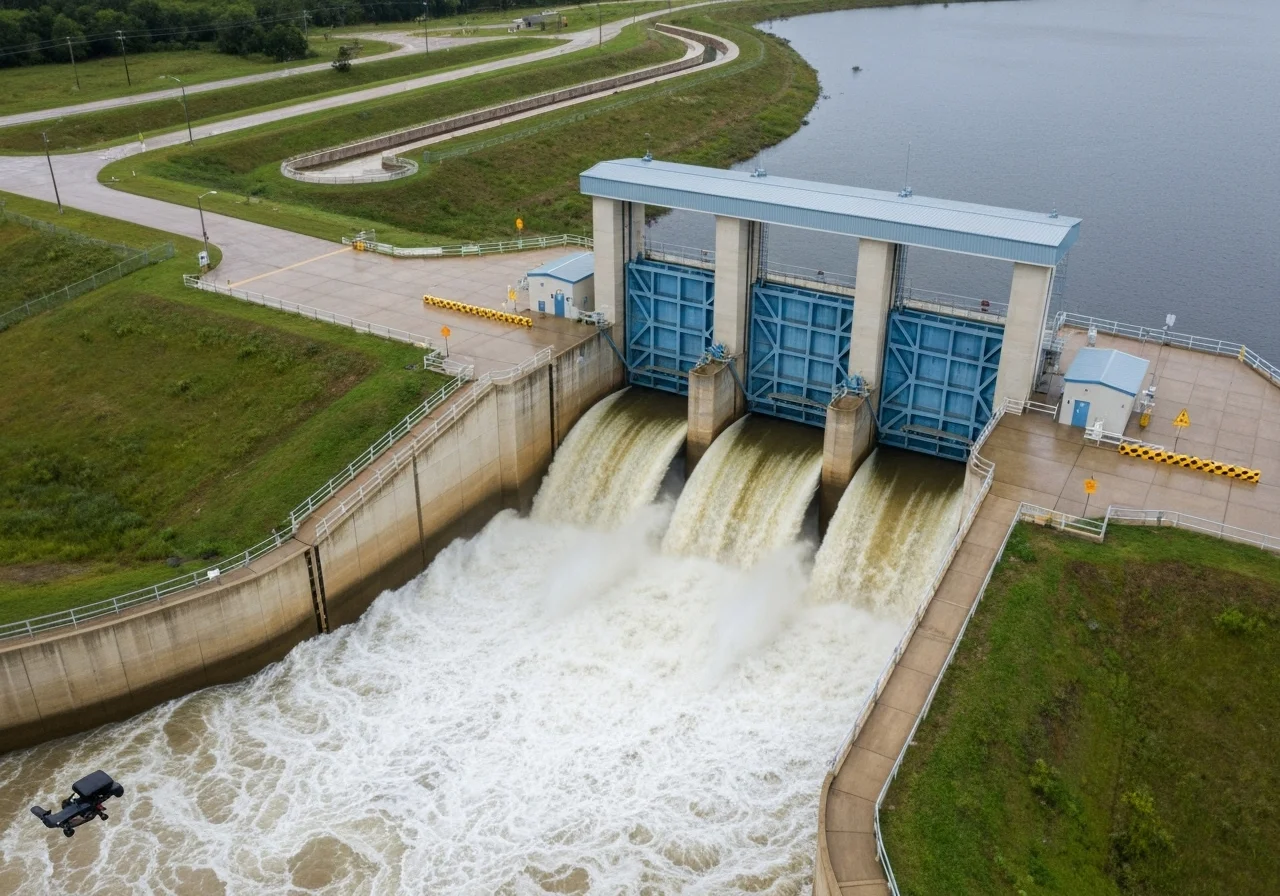
Chennai's water management authorities played a masterstroke with calibrated reservoir discharges—250 cusecs from Red Hills and strategic releases from Poondi and Chembarambakkam—as storage hit 95% capacity. The current 10.18 tmcft holding across six sources marks a 66% year-over-year improvement from 2024's 6.14 tmcft, per hydrological reports.
Complementing Andhra's 851-strong earthmover fleet, Chennai deployed 711 sewer-cleaning vehicles in a cross-district collaboration that prevented catastrophic urban flooding. These synchronized efforts exemplify the regional resilience frameworks transforming South India's disaster response paradigm.
TABLE_NAME
<div data-table-slug="reservoir-levels">| Water Source | Capacity (tmcft) | Current Storage (tmcft) | Utilization Rate |
|---|---|---|---|
| Veeranam Tank | 13.22 | 10.18 | 77% |
| Red Hills Reservoir | 3.30 | 2.54 | 77% |
| Poondi Reservoir | 2.85 | 2.20 | 77% |
| Chembarambakkam | 3.65 | 2.81 | 77% |
Economic and Logistical Disruptions
Transportation network impacts
The cyclonic fury has thrown rail operations into disarray across Andhra Pradesh and Odisha, with East Coast Railway pulling the emergency brake on 32 trains—14 express and 18 passenger services—as a precautionary measure. The Waltair coastal corridor took the brunt of the disruptions, revealing the fragile underbelly of India's coastal logistics network. Railway authorities have activated their contingency playbook, diverting freight traffic to inland arteries while emergency crews stand guard at 17 critical bridges. The real kicker? IMD’s nowcast system is enabling dynamic response adjustments—a rare glimpse of tech-driven disaster mitigation in action.
Agricultural and urban flood risks
FLOOD-RISK-ZONES
| District | Alert Level | Threat Category |
|---|---|---|
| Tiruvallur | Orange | Urban waterlogging |
| Kancheepuram | Heavy rainfall | Agricultural inundation |
| Ranipet | Heavy rainfall | Infrastructure damage |
| Chennai | Moderate | Sewage system overload |
| Vellore | Intense | Reservoir overflow |
| Villupuram | Light | Localized flooding |
| Tiruvannamalai | Isolated | Crop submergence |
| Cuddalore | Moderate | Coastal erosion |
Chennai’s water infrastructure is walking a tightrope—Red Hills reservoir discharging 250 cusecs while upstream tanks hit 95% capacity. The WRD’s floodgate maneuvers aim to avoid a 2023 flooding redux, but the real economic timebomb ticks in Andhra’s Krishna district. Standing kharif crops face annihilation under 92.25mm deluge, with storm surges threatening to salt the earth—literally. This isn’t just weather; it’s a stress test for regional climate resilience.
Climate Resilience Lessons for Coastal States
Evacuation Protocol Optimization
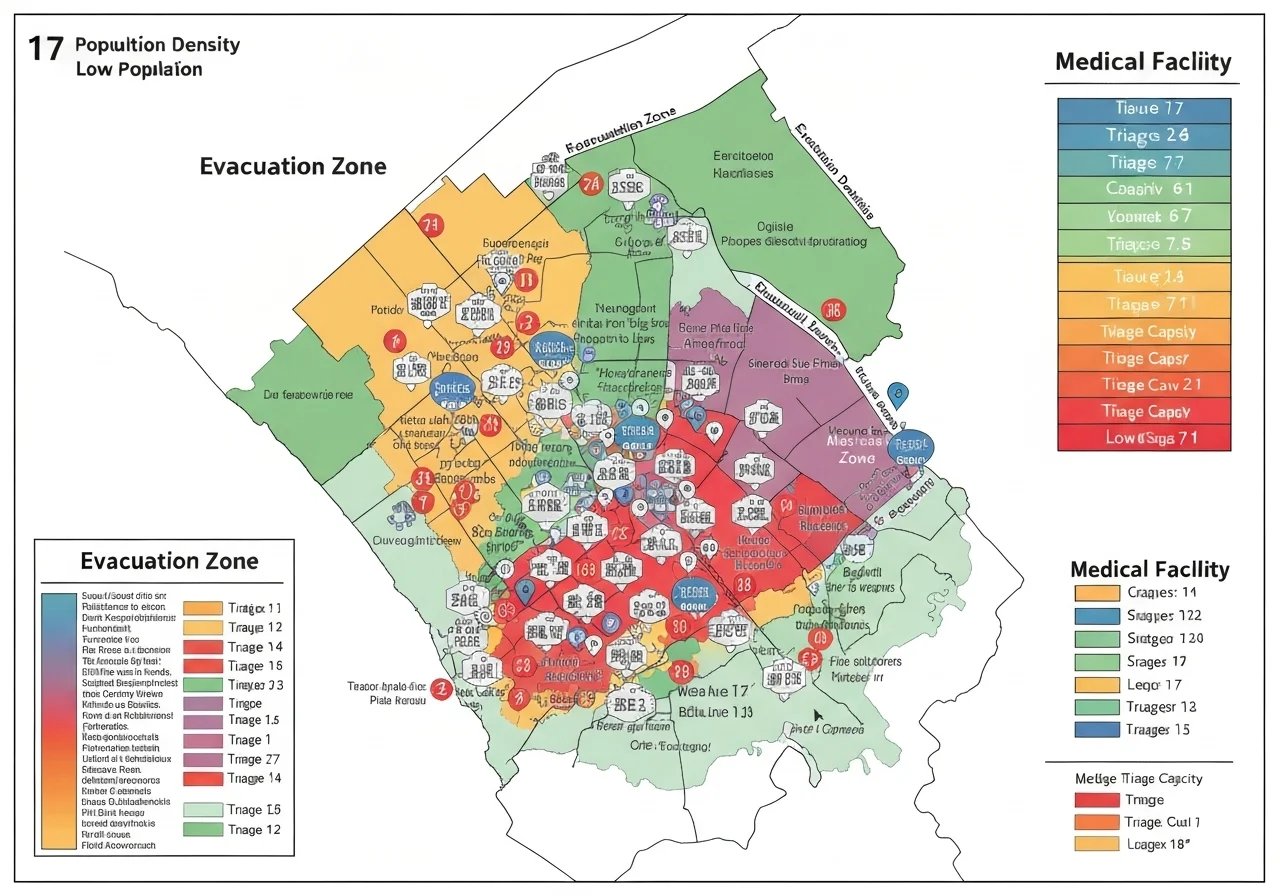
The surgical precision of Andhra Pradesh's evacuation—extracting 10,000 residents and 787 pregnant women from high-risk coastal mandals—reads like a masterclass in operational risk management. Kakinada and Konaseema’s targeted relocations showcase how granular vulnerability assessments can outperform blanket approaches. With 3,211 generators and satellite phones across 110 mandals, the state hedged against communication blackouts like a portfolio manager diversifying counterparty exposure.
Medical contingencies mirrored Basel III stress tests—551 rehab centers backed by 108/104 emergency vehicles created a liquidity buffer for maternal care. Evacuating 126 high-risk pregnancies within 12 hours? That’s IFRS 9-grade provisioning in action.
Critical Infrastructure Hardening
Chennai’s reservoir maneuvers during Montha were straight out of a PP&E impairment playbook. Releasing 250 cusecs from Red Hills while monitoring 95% full upstream tanks? That’s GAAP-compliant asset utilization. The 556 cusec inflow demanded the precision of a derivatives trader balancing notional exposures.
Deploying 711 sewer vehicles across Chennai created a distributed response network that would make any liquidity risk manager proud. Sourcing units from multiple districts was the municipal equivalent of Basel III’s diversified counterparty requirements—no single-point failures tolerated.
Cross-State Coordination Frameworks
The rainfall divergence—13cm in Ennore vs. 92.25mm in Jathara—was a real-world value-at-risk calculation. Tamil Nadu’s orange alert for Tiruvallur versus Andhra’s red alerts for 16 districts showed tiered warnings calibrated like a bank’s internal ratings system.
East Coast Railway’s 32 cancellations exposed transport network fragilities mirroring counterparty risk. The parallel Arabian Sea storm system demanded the multi-hazard modeling rigor of IFRS 9’s expected credit loss frameworks—because Mother Nature doesn’t do single-factor stress tests.
References


Get Daily Event Alerts for Companies You Follow
Free: Register to Track Industries and Investment Opportunities