

Russia's War Cry! Sanctions Trigger Economic and Nuclear Showdown!
Russia's War Cry! Sanctions Trigger Economic and Nuclear Showdown!
AI Summary
Russia's fierce response to US sanctions on Rosneft and Lukoil includes nuclear threats and economic countermeasures, while EU accelerates energy bans. Strategic insights reveal long-term conflict financing risks and market disruptions.
Keywords
Russia Condemns Sanctions as Act of War
Medvedev's "Act of War" Declaration
Former Russian President Dmitry Medvedev isn't mincing words—he's calling the latest U.S. sanctions on Rosneft and Lukoil a full-blown "act of war." In a fiery Telegram post, he accused Washington of ditching diplomacy, bluntly stating: "The United States is our adversary... their talkative 'peacemaker' has now fully embarked on the warpath against Russia." This isn't just political theater—it's a calculated move to frame the sanctions, which target Russia's oil revenue lifeline, as proof of Trump siding with European hawks.
Kremlin's Diplomatic Fallout
The Russian Foreign Ministry is playing the long game, dismissing the sanctions as "counterproductive" to peace talks while flexing about their economic resilience. Spokeswoman Maria Zakharova dropped the buzzphrase "strong immunity to Western restrictions," a clear signal to both domestic audiences and global markets that Moscow won't fold. Behind the bravado, though, lies a delicate balancing act—downplaying the sanctions' bite while milking them for propaganda value.
Nuclear Posturing Escalation
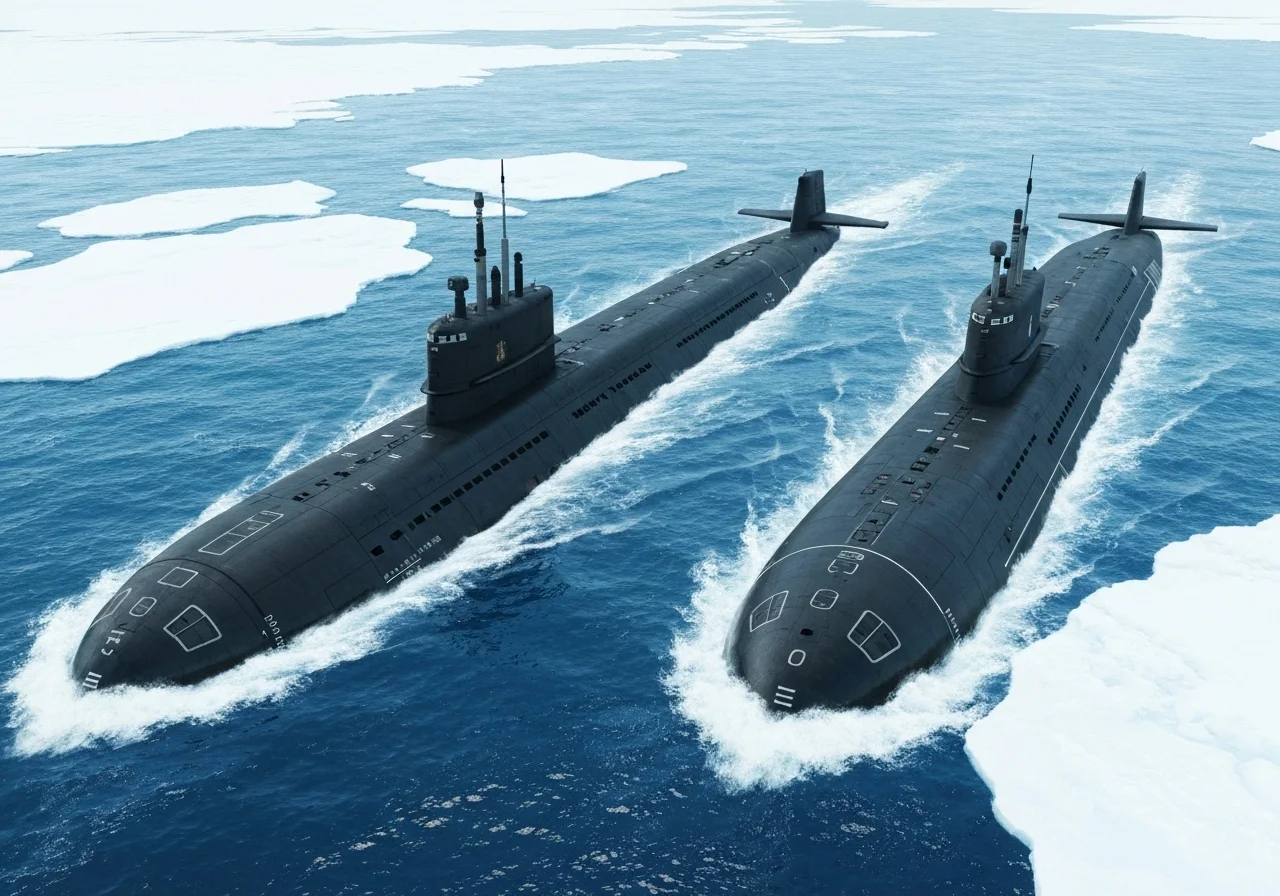
Medvedev just dialed up the doomsday rhetoric, dusting off Cold War nightmares like Russia's "Dead Hand" automated retaliation system. This chilling reference came hot on the heels of Trump's submarine deployments, marking the most overt nuclear saber-rattling since the Ukraine war began. His social media provocations aren't just bluster—they're escalating a dangerous tit-for-tat that's eroding what little crisis management channels remain between these nuclear giants.
Geopolitical Reactions to Energy Sanctions
China's Opposition to Unilateral Measures
Beijing's pushback against the latest US sanctions reveals deeper strategic calculus—when Washington targets Russian oil majors like Rosneft and Lukoil, China sees dollar weaponization in action. Foreign Ministry spokesman Guo Jiakun wasn’t just mouthing diplomatic platitudes when he called for UN-approved measures—this is about protecting Beijing’s own energy security playbook. The numbers tell the story: China’s imports of Russian crude hit record highs in 2023, proving that when Western pressure campaigns squeeze Moscow, Beijing smells opportunity.
EU's Coordinated Sanctions Push
| Metric | US Action | EU Action |
|---|---|---|
| LNG Ban Timeline | N/A | Accelerated to 2027 (from 2028) |
| Oil Company Targets | Rosneft, Lukoil | 100+ shadow fleet tankers |
| Financial Mechanism | Treasury restrictions | €140B loan from frozen assets |
Brussels isn’t just playing catch-up—it’s rewriting the sanctions rulebook. By pulling the LNG ban forward to 2027 and tapping frozen Russian assets for Ukraine’s €140B lifeline, the EU’s signaling it won’t be outflanked by Washington’s moves. Von der Leyen’s “transatlantic alignment” rhetoric masks a quiet reality—European energy firms are scrambling to reconfigure supply chains faster than policy timelines suggest.
Ukraine's Strategic Gains
Zelensky’s Tomahawk missile requests aren’t coincidental—they’re classic linkage strategy. Every sanction-induced dent in Russia’s war chest (think Rosneft’s plunging bond yields) gets leveraged for more firepower. The brutal irony? As Russian missiles hammer Ukraine’s grid, Kyiv’s using Washington’s energy sanctions as crowbars to pry open previously locked armories. This isn’t just about squeezing Putin’s wallet—it’s about converting economic pressure into kinetic advantage.
Energy Market and Conflict Dynamics
Oil Sector Targeting Rationale
The Treasury's surgical strike on Rosneft and Lukoil isn't just about squeezing Putin's wallet—it's a calculated move to bleed Russia's war chest dry. Treasury Secretary Bessent's "choke off" rhetoric reveals the endgame: cripple Moscow's ability to fund armored divisions with petrodollars. These sanctions specifically target Russia's crown jewels—the energy giants generating 45% of federal revenue. While the Kremlin boasts about "sanction immunity," the market tells a different story: Rosneft's bonds tanked 12% post-announcement. This is economic warfare 101—starve the beast of its primary funding pipeline.
Source Material: Kremlin issues chilling WW3 threat (Daily Mail)
Failed Diplomacy and Summit Collapse
The Budapest summit collapse wasn't just another diplomatic fumble—it was the straw that broke the sanctions camel's back. Trump's frustration echoes through his "good conversations that go nowhere" quip, exposing the Kremlin's rigid Ukraine stance. Moscow's refusal to budge on neutrality demands turned the negotiation table into a sanction launchpad. Behind the scenes, energy analysts whisper about retaliatory moves—perhaps Gazprom cutting EU gas flows again. When diplomacy fails, the financial artillery rolls out.
Source Material: ‘Strong immunity’: Russia hits out as Trump sanctions its oil firms (Times of India)
Strategic Implications of Economic Warfare
Russia's Asymmetric Response Options
When the West turns the sanctions screw, Moscow doesn’t just wince—it retaliates with surgical precision. The Kremlin’s playbook since 2014 shows a clear pattern: hit back where it hurts. After the latest US sanctions on Rosneft and Lukoil, analysts are betting on asset freezes or mineral export curbs targeting Western energy projects in Russia. Remember the €5 billion EU agri-trade gut punch post-Crimea? That’s the template. Meanwhile, Foreign Ministry spokeswoman Maria Zakharova’s "strong immunity" boast signals a pivot to China and India—because when dollar flows dip, ruble diplomacy kicks in.
But here’s the kicker: Dmitry Medvedev’s "Dead Hand" nuclear rhetoric isn’t just saber-rattling. It’s textbook "escalate to de-escalate"—mixing economic pain with military posturing to spook markets and adversaries alike.
Global Energy Supply Chain Risks
Sanctions don’t just bite—they ricochet. With India slurping 1.6 million Russian barrels daily in 2023, the Rosneft/Lukoil squeeze has refiners scrambling to review contracts under force majeure. Cue Brent crude’s rollercoaster ride. The EU’s accelerated LNG ban to 2027? That’s another wrench in the gears, especially after Russia supplied 40% of Europe’s pipeline gas.
And let’s talk Lloyd’s of London—these sanctions could trigger insurance bottlenecks faster than you can say "marine coverage." When tankers can’t get insured, neutral buyers face a brutal choice: risk unsecured shipments or pay premium rates. Either way, the energy markets lose.
Long-Term Conflict Financing Outlook
| Year | Energy Export Revenue (USD bn) | Military Expenditure (USD bn) |
|---|---|---|
| 2022 | 320 | 90 |
| 2023 | 285 | 110 |
| 2024* | 240 (projected) | 130 (projected) |
Numbers don’t lie: Russia’s energy revenue dropped 25% since 2022 while military spending ballooned 44%. But here’s the twist—China’s backdoor purchases and India’s discount crude binge might just keep the war machine humming. Ukraine’s Zelensky calls the sanctions a "clear signal", but Moscow’s diversified buyers list could make this fiscal punch more of a glancing blow. The real test? Whether secondary sanctions can plug the revenue leaks.
References


Get Daily Event Alerts for Companies You Follow
Free: Register to Track Industries and Investment Opportunities