

Red Fort Blast: How Can AI Prevent the Next Attack?
Red Fort Blast: How Can AI Prevent the Next Attack?
AI Summary
The Red Fort explosion killed 8, exposing security gaps at heritage sites. Forensic teams found no crater or pellets, signaling advanced explosives. Immediate AI surveillance upgrades are critical.
Keywords
Explosion Overview and Immediate Impact
Blast Timeline and Location Details
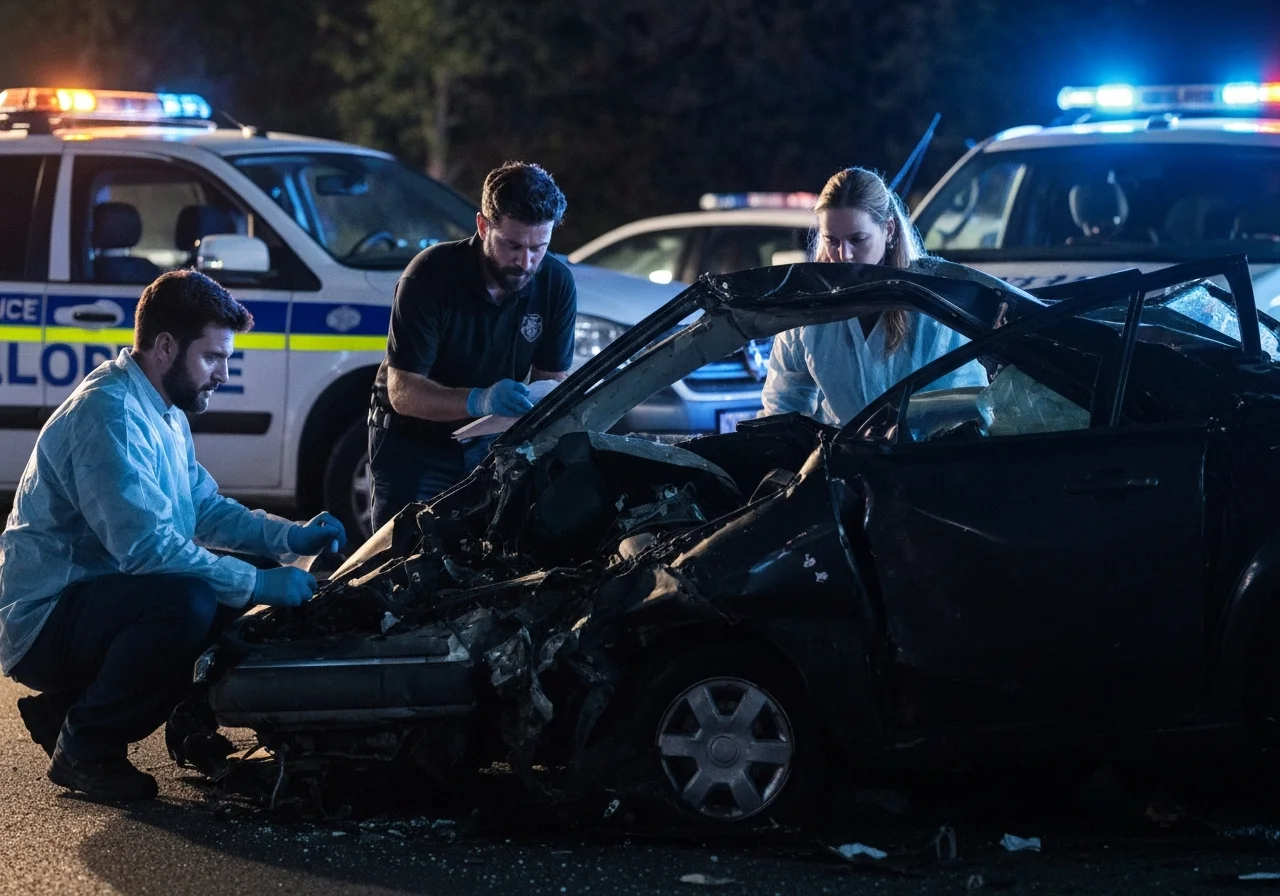
The clock struck 6:52 PM when Delhi’s Red Fort Metro Station became ground zero for a high-intensity explosion—a scene ripped straight from a counterterrorism playbook. According to Delhi Police Commissioner Satish Golcha’s urgent briefing, a slow-moving vehicle idling at a traffic signal near Gate No. 1 transformed into a fireball, triggering a domino effect that obliterated 3-4 adjacent cars. Eyewitness accounts paint a visceral picture: a deafening "window-shattering sound" preceding an inferno that engulfed multiple vehicles, captured in graphic detail.
Forensic teams later flagged the blast’s peculiar signature—no crater, no pellet injuries—a red flag that sent the NIA and FSL scrambling. The choice of location wasn’t random: a UNESCO heritage site swarming with tourists, amplifying both physical devastation and psychological terror.
Casualties and Infrastructure Damage
The human toll reads like a grim actuarial report—8 confirmed fatalities with injury counts swinging wildly between 6 and 24 victims, per Delhi Police’s official tally. Thermal effects turned three vehicles into charred skeletons, while collateral damage rippled through Chandni Chowk’s market stalls, forcing an unprecedented shutdown.
BLAST_SITE_VISUALS
| Damage Metric | Impact Scale |
|---|---|
| Fatalities | 8 confirmed |
| Injuries | 6-24 (discrepant reports) |
| Vehicles destroyed | 3-4 |
| Structural collateral | Market stalls compromised |
The absence of shrapnel wounds—a telltale sign of IEDs—hints at either chemical explosives or catastrophic mechanical failure. Forensic scrutiny of the mangled Eeco car suggests 2-3 occupants, though identification proved impossible amid the carnage. This marks Red Fort’s third security breach since 1997, exposing gaping holes in heritage site protection protocols.
Investigation and Security Protocols
Multi-Agency Forensic Response
The forensic chessboard in Delhi’s blast investigation reveals a high-stakes game of interagency coordination. With the NIA and FSL teams conducting parallel examinations near Red Fort Metro Station, the absence of a crater and pellet injuries points to an unconventional explosive signature—what counterterrorism veterans might call a "signatureless threat." As Delhi Police’s initial briefing notes, forensic teams are playing "molecular detective" with residue samples from the mangled Eco car, battling urban debris contamination like traders navigating a volatile market. The jurisdictional tango between Delhi Police’s Special Cell and federal investigators mirrors the complexities of cross-border financial audits—every procedural misstep risks contaminating the evidence chain. Real-time data sharing with the Home Ministry, per Commissioner Golcha, functions as the investigation’s liquidity lifeline, preventing coordination bottlenecks.
Nationwide Security Escalation
Security protocols have been ratcheted up with the precision of a central bank adjusting interest rates—Delhi-NCR’s preemptive closure of Chandni Chowk market and paramilitary deployments mirror "quantitative tightening" against terror risks. As reported, this contrasts sharply with Uttar Pradesh and Maharashtra’s "targeted stimulus" approach of vehicle checkpoints and local patrols. The NIA’s rapid deployment versus Mumbai’s reliance on homegrown anti-terror squads exposes India’s security diversification strategy—akin to an investor balancing concentrated bets with index funds. The blast’s rush-hour timing, which amplified casualties like leveraged exposure in a market crash, now drives urgent recalibration of urban counterterrorism portfolios.
blast-response-timeline
| Agency | Activation Time | Primary Responsibility |
|---|---|---|
| Delhi Police Special Cell | 18:55 (6:55 PM) | Site cordon, preliminary evidence collection |
| Delhi Fire Services | 18:58 | Fire suppression, victim extraction |
| NIA Forensic Team | 20:30 | Explosive analysis, national threat assessment |
| Home Ministry Crisis Group | 19:15 | Inter-agency coordination, policy directives |
Historical Context and Threat Patterns
Red Fort as Recurring Target
The Red Fort has become a glaring case study in security vulnerabilities, with this week’s blast marking its third major attack since 1997—a pattern that would make any risk analyst wince. The 17th-century UNESCO site’s daily footfall of 15,000 tourists creates a perfect storm for asymmetric threats, blending high visibility with operational fragility. Forensic evidence from past incidents, like the 2000 Lahori Gate blast, shows adversaries consistently exploit perimeter weaknesses through vehicle-borne explosives—a tactic that’s evolved from crude scooter IEDs to Monday’s undetected Eco car bomb.
Post-2010 security audits flagged chronic gaps in vehicular screening across the 2.4km complex, yet manual checks persist—an oversight that’s practically an open invitation for threats. The fort’s urban topography exacerbates risks: narrow approach roads transform into kill zones during attacks, as seen when simultaneous vehicle ignitions amplified Monday’s devastation.
RED FORT SECURITY TIMELINE
| Year | Casualties | Attack Method | Security Response |
|---|---|---|---|
| 1997 | 6 dead | Bicycle bomb | Perimeter fencing enhanced |
| 2000 | 3 dead | Scooter IED | Vehicle bans within 500m |
| 2011 | 11 injured | Backpack explosive | Mandatory visitor screening |
| 2025 | 8+ dead | Car bomb | AI surveillance proposed |
The 11-year attack cycle (1997-2000-2011-2025) suggests adversaries capitalize on institutional amnesia. While metal detectors screen foot traffic, the absence of protocols for sub-2.5-ton vehicles enabled this week’s breach—a flaw that forced reactive market closures. Unlike earlier attacks with visible wiring, advanced compounds left no forensic markers, signaling a dangerous escalation in technical sophistication. This trajectory demands predictive modeling for cultural sites—before the next attack rewrites the timeline.
Urban Counterterrorism Imperatives
Need for AI Surveillance in High-Risk Zones
The Red Fort blast serves as a grim reminder that legacy security systems are playing catch-up with modern threats. When that car detonated at 6:52 PM near the metro station—a classic soft target—it exposed the chinks in our armor. As any counterterrorism wonk will tell you, reactive measures just don't cut it anymore.
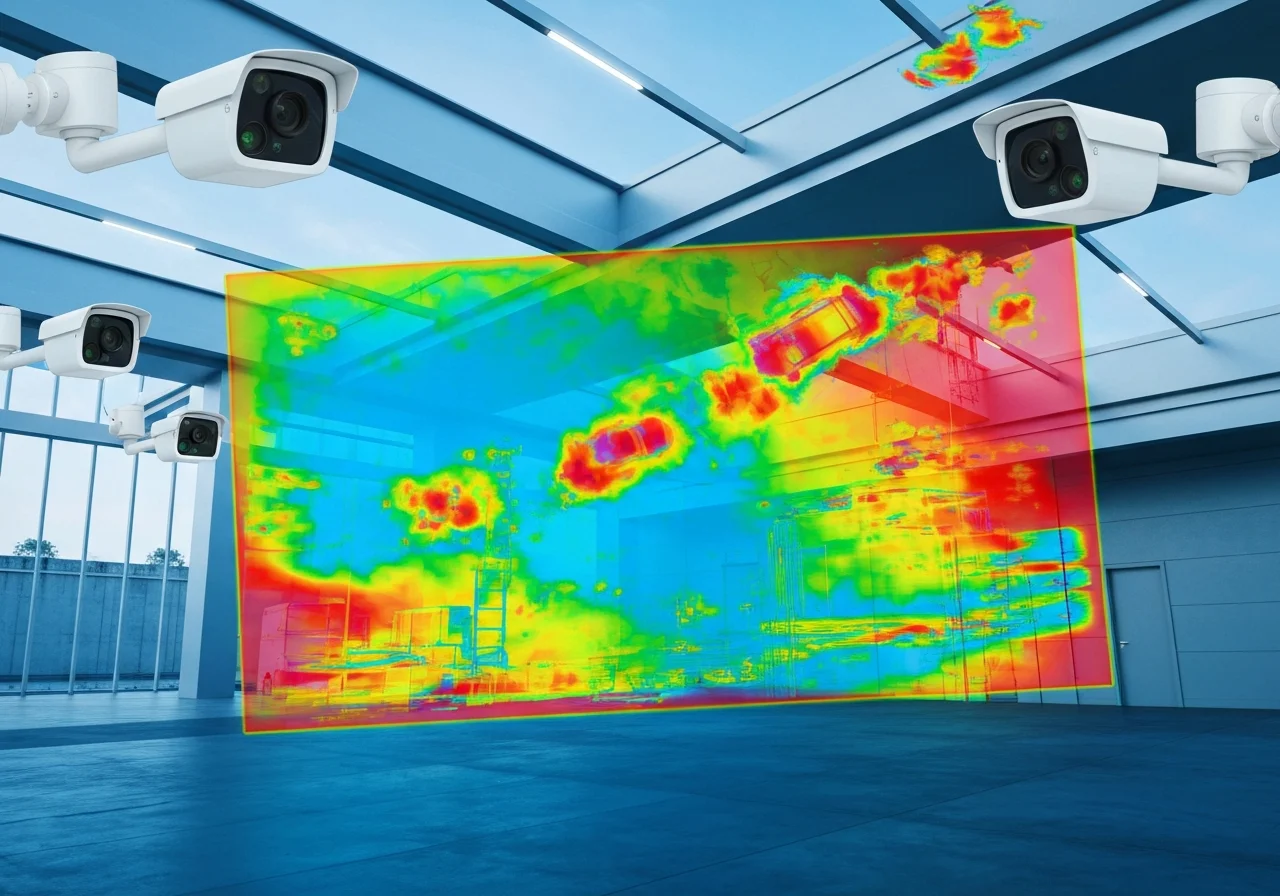
Here's where predictive analytics could've changed the game. AI-powered cameras tracking that suspiciously slow-moving vehicle? Behavioral algorithms flagging anomalies in crowd patterns? That's the kind of proactive defense that turns near-misses into prevented tragedies.
The PM's situational review and Home Minister's real-time briefings—detailed in NDTV's live coverage—highlight how tech integration could streamline crisis response. And let's talk about forensics—no crater, no pellets, just a forensic headache that AI-assisted evidence processing could've untangled faster.
Heritage sites like the Red Fort remain sitting ducks without smart surveillance. Three major blasts since '97? That's not bad luck—it's a systemic vulnerability screaming for machine learning solutions. When Chandni Chowk shuts down preemptively—as DNA India reported—it's proof we're stuck in a cycle of reaction rather than prevention. Time to upgrade the playbook.
References


Get Daily Event Alerts for Companies You Follow
Free: Register to Track Industries and Investment Opportunities