

Putin's War Warning Shakes Europe! US Mediation Crumbles
Putin's War Warning Shakes Europe! US Mediation Crumbles
AI Summary
Putin's nuclear-ready threats and Black Sea blockade tactics collide with Ukraine's resistance, creating dangerous geopolitical stalemate. US mediators struggle as energy security and territorial disputes prevent breakthrough. Monitor grain exports and NATO unity indicators.
Keywords
Putin Issues Direct Threat to Europe
Kremlin's readiness for continental conflict
Putin’s "ready right now" declaration isn’t just saber-rattling—it’s a masterclass in geopolitical brinkmanship. By framing Europe as the aggressor while flashing Russia’s military readiness, he’s playing a high-stakes game of chicken with NATO’s resolve. The timing, hours before Trump envoys Kushner and Witkoff landed in Moscow, reeks of calculated theater. Analysts see this as a pressure tactic targeting Europe’s Achilles' heel: energy dependence. With Russia controlling 40% of the EU’s gas supply pre-war, the threat carries an implicit economic ultimatum.
The parallels to Crimea’s annexation are eerie—nuclear posturing followed by land grabs. But the battlefield math has changed. Despite recent gains near Mariupol, Russia holds just 18% of Ukraine, a far cry from Putin’s "special operation" objectives. This rhetoric likely aims to fracture Western unity by exploiting NATO’s internal divisions, particularly among gas-reliant members like Germany and Hungary.
European demands deemed unacceptable
Putin’s dismissal of European peace terms as "absolutely unacceptable" reveals Moscow’s non-negotiable red lines. The Kremlin views NATO expansion into Ukraine as an existential threat—their Cuban Missile Crisis moment. The table below crystallizes the irreconcilable gaps:
| Disputed Element | Russian Position | European Position |
|---|---|---|
| Crimea Status | Permanent Russian sovereignty | Return to Ukrainian control |
| Donbas Autonomy | Federalized Ukrainian regions | Limited decentralization |
| Black Sea Access | Russian naval dominance | Joint security patrols |
| NATO Membership | Constitutional prohibition | Sovereign right to join |
| Reparations | Mutual waiver of claims | $750B reconstruction fund |
EU foreign policy chief Kaja Kallas’ rebuttal—"Russia started this war"—underscores the fundamental clash over spheres of influence. With Moscow demanding veto power over Kyiv’s alliances and Europe insisting on full territorial restoration, U.S. mediators face a near-impossible balancing act. The deadlock reflects deeper tensions about post-Cold War security architectures, where Russia’s buffer zone mentality collides with NATO’s open-door policy.
US Mediation Efforts Face Challenges
Trump delegation's Moscow negotiations
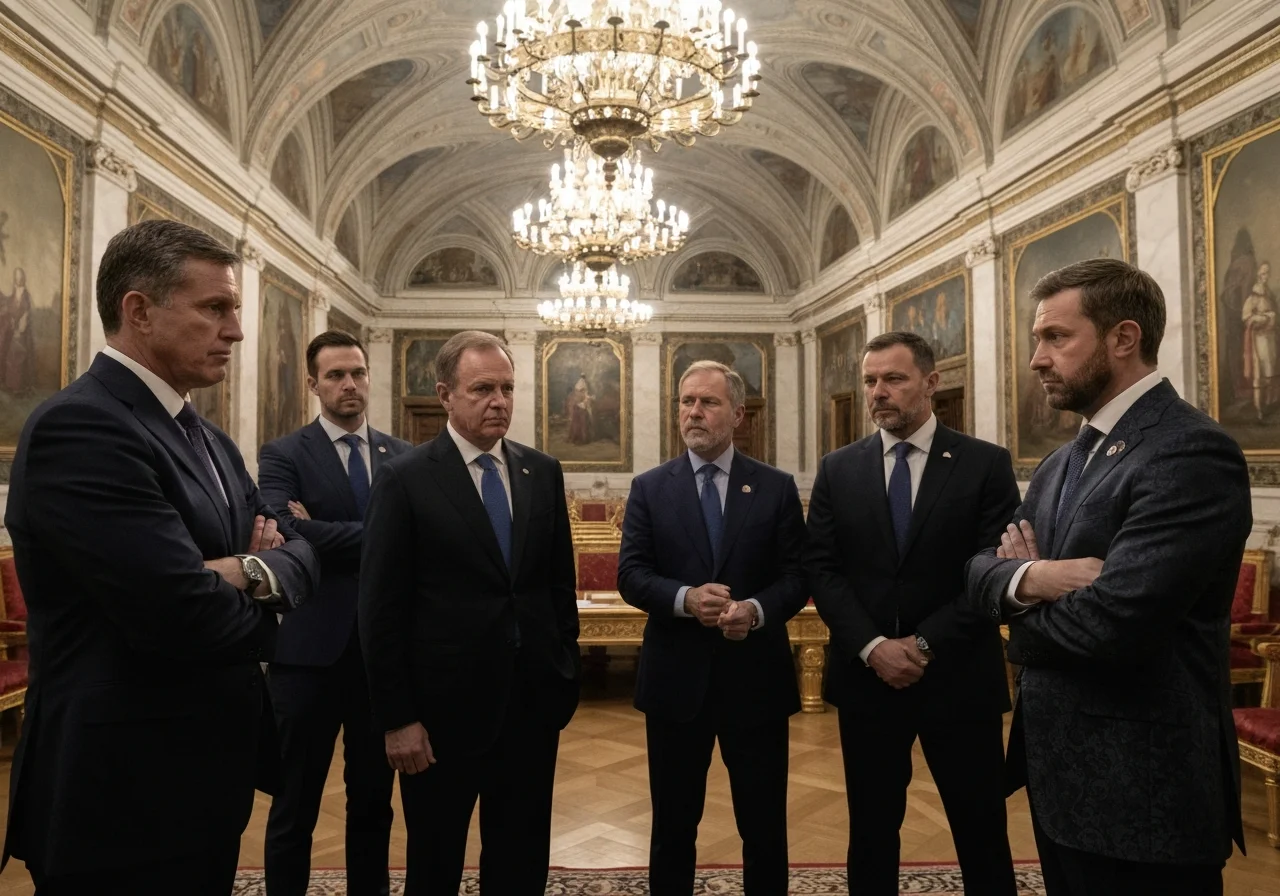
The Kushner-Witkoff team walked into a geopolitical minefield—Putin had already set the tone with his "ready for war" chest-thumping (Russia "Ready" If Europe Wants War: Putin's Big Warning Ahead Of US Talks). Classic Kremlin power play: late-night meeting, delayed arrival, the whole intimidation playbook from the Alaska summit rerun. When Putin shot down European security guarantees as "absolutely unacceptable" in opening salvos (Putin Issues Grave Warning to Europe Amid Discord Over Russia-Ukraine Peace Talks), it became painfully clear the delegation's hands were tied. No wiggle room to bridge the Kyiv-Moscow chasm when your counterpart’s opening move is throwing the chessboard.
Zelensky's security guarantee concerns
Zelensky’s Dublin speech was a masterclass in diplomatic anxiety—that "if allies are tired" line? Pure strategic dread (Putin Issues Grave Warning to Europe Amid Discord Over Russia-Ukraine Peace Talks). The leaked 28-point plan demanding territorial concessions didn’t help, with Europe screaming "rewarding aggression." Kyiv’s social media updates reeked of dependency—hungry for crumbs from the US post-Moscow debrief while Russian forces loomed. Rubio’s Florida "delicate and complicated" non-answer? About as reassuring as a parachute packed by interns. When your security guarantees have more holes than Swiss cheese, Putin’s escalation calculus gets dangerously simple.
Geopolitical Stalemate Over Land Concessions
Russia's territorial gains vs Ukrainian resistance
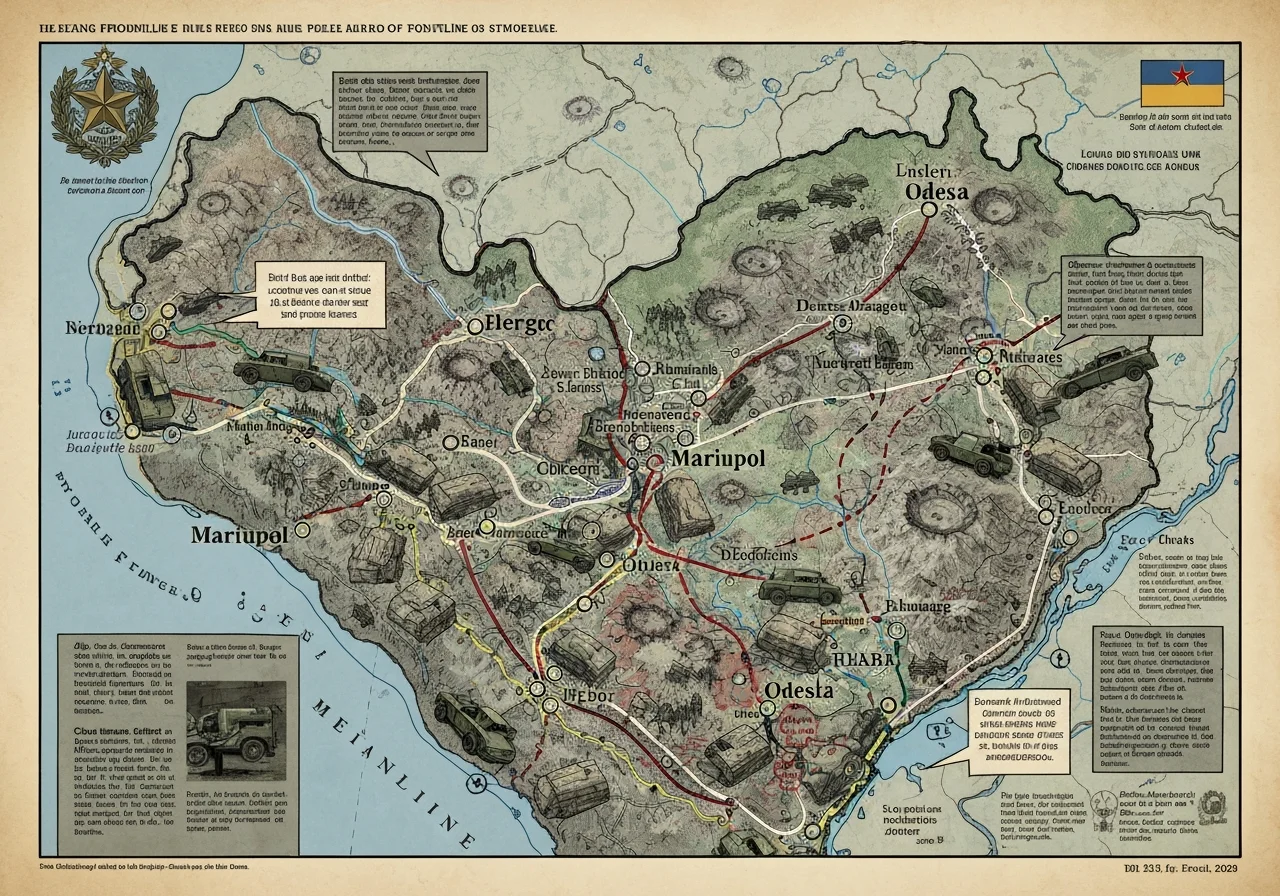
The geopolitical chessboard remains frozen as Putin's territorial claims collide with Zelensky's non-negotiable red lines. Moscow's battlefield posturing—controlling eastern strongholds like Mariupol while failing to secure western ports—reveals strategic overextension. Putin's "ready right now" war rhetoric functions as psychological warfare, yet Ukraine's counteroffensives demonstrate asymmetric resilience.
Kyiv's refusal to barter land for peace, articulated in Zelensky's Dublin declaration against "rewarding Russia", creates an irreconcilable dichotomy. The Kremlin demands withdrawal from contested regions; Ukraine insists on full territorial restitution per its 10-point peace framework. This deadlock mirrors frozen conflicts like Transnistria, where unresolved territorial disputes fester for decades.
Black Sea blockade threats escalate
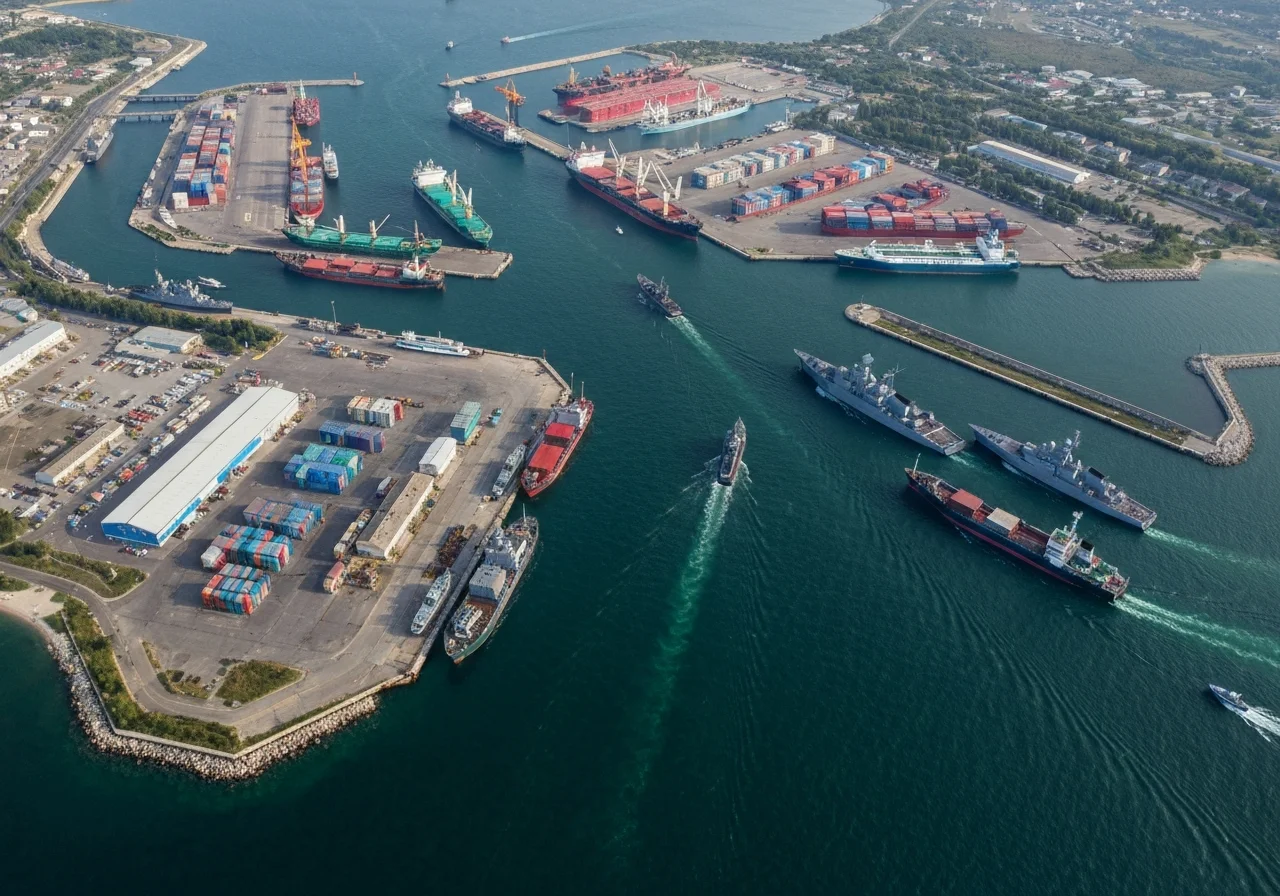
Putin's naval brinkmanship—threatening to "cut Ukraine off from the sea"—unveils the conflict's economic warfare dimension. Ukraine's precision strikes on Russian oil tankers near Novorossiysk signal growing capability to disrupt Moscow's energy export channels. Three vessels (two crude carriers, one sunflower oil transporter) now sit damaged, exposing vulnerabilities in Russia's maritime logistics.
The Sea of Azov remains a contested prize, but NATO-backed grain corridors preserve Ukraine's Black Sea access—critical for agricultural exports that stabilize its war economy. This naval standoff injects volatility into global soft commodity markets, particularly wheat and sunflower oil supply chains already battered by earlier disruptions. Europe's energy security hangs in the balance as both nations weaponize maritime trade routes.
Strategic Deadlock in Peace Negotiations
Kremlin's readiness for continental conflict
Putin's "ready right now" war declaration is classic geopolitical posturing—the kind of brinksmanship that would make John Maynard Keynes nod in grim recognition. This calculated escalation, timed precisely before US envoys touched down in Moscow, operates like a high-stakes put option—raising implied volatility to pressure European counterparts. The Kremlin's positioning mirrors deterrence theory fundamentals: explicit threats creating negotiation leverage without mobilizing troops.
European demands deemed unacceptable
When Putin dismissed EU terms as "absolutely unacceptable," he wasn't just negotiating—he was executing a classic anchoring bias play. By framing pre-2014 borders and reparations as nonstarters, Moscow establishes extreme positions like a trader setting wide bid-ask spreads. This creates room for "compromise" that still favors Russian battlefield gains—a tactic straight from the game theory playbook.
Trump delegation's Moscow negotiations
The Kushner-Witkoff team walked into an asymmetric negotiation reminiscent of volatility skew in options markets—Putin's pre-meeting war threats tilted the risk-reward balance sharply. Their challenge mirrors arbitrage traders facing imperfect information: how to bridge irreconcilable positions between Europe's territorial integrity demands and Russia's fait accompli conquests.
Zelensky's security guarantee concerns
Zelensky's fears about waning US commitment reveal the time decay inherent in geopolitical alliances. His multilateral framing—"we need a community"—is essentially seeking to diversify Ukraine's security portfolio beyond bilateral dependencies. The subtext? No nation wants to be a single-stock position in great power politics.
References


Get Daily Event Alerts for Companies You Follow
Free: Register to Track Industries and Investment Opportunities