

National Guard Surge: Crime Drop or Constitutional Crisis?
National Guard Surge: Crime Drop or Constitutional Crisis?
AI Summary
The Trump administration's National Guard deployment in D.C. reduced violent crime by 39%, sparking debates on urban militarization and civil-military boundaries. Explore policy implications and alternative security models.
Keywords
Political Reactions to the Attack
Trump Administration's Response
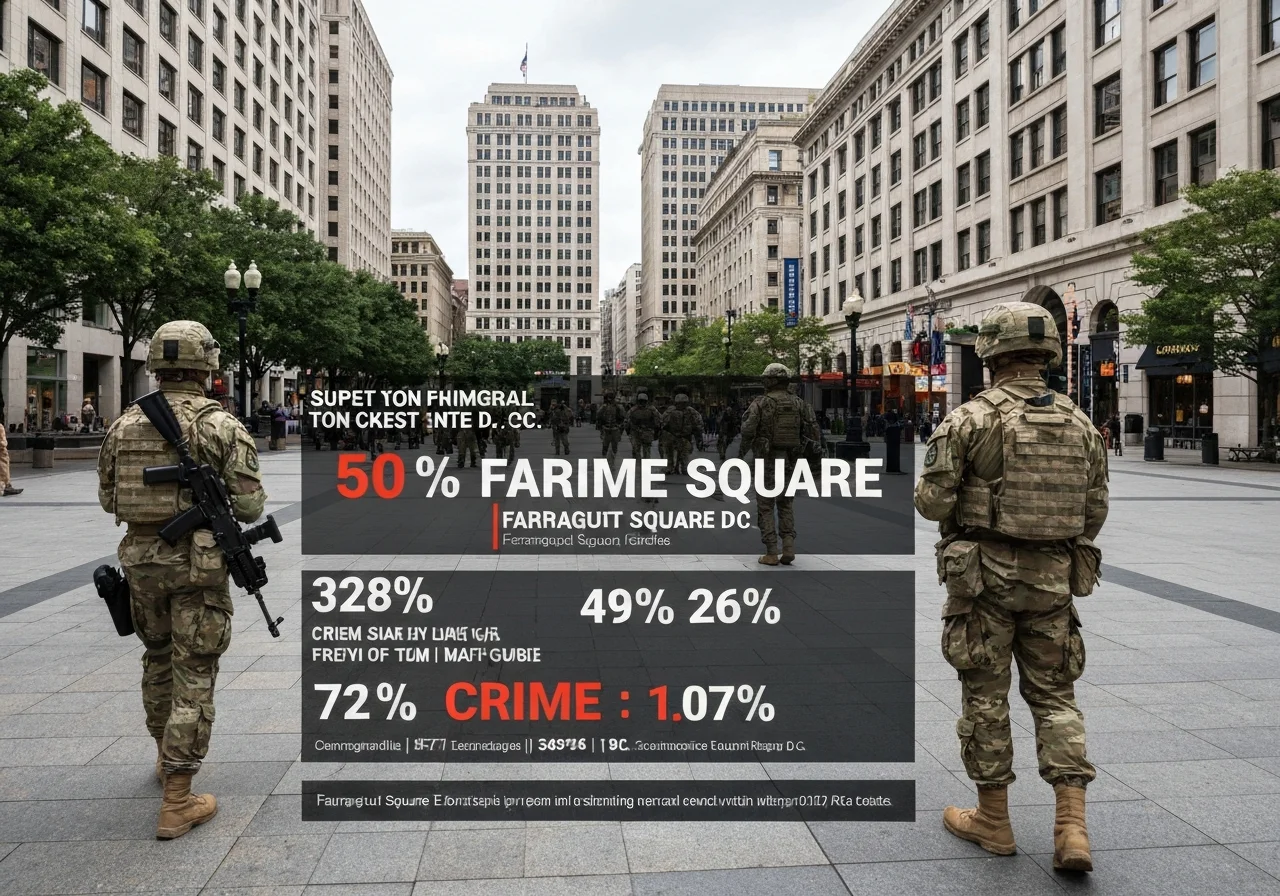
The Trump administration's playbook snapped into action with textbook precision—deploy first, ask questions later. President Trump's Truth Social post wasn't just rhetoric; it was a balance sheet of political capital being cashed in. When Defense Secretary Pete Hegseth flooded D.C. with 500 additional National Guard troops, he wasn't just responding to the shooting—he was doubling down on a strategy that had already delivered a 39% violent crime reduction per AP News reports. FBI Director Kash Patel's "run down every lead" pledge wasn't merely tough talk—it was the enforcement equivalent of a zero-tolerance accounting policy, where even minor infractions get booked as major liabilities.
| Date | Troop Numbers | Key Locations | Crime Reduction |
|---|---|---|---|
| Aug 2025 | 1,200 | Washington D.C. | 39% violent crime |
| Oct 2025 | 800 | Chicago | 27% homicides |
| Nov 2025 | 500 (additional) | Washington D.C. | Pending metrics |
Democratic Criticism of Guard Deployment
Progressives weren't just auditing the administration's moves—they were writing full forensic reports. Senator Elissa Slotkin's ABC interview framed troop deployments as political liabilities rather than assets, warning of military-civilian friction that could explode the balance sheet. Illinois Governor J.B. Pritzker took it further, calling the surge an "attack on the American people"—essentially accusing the administration of cooking the books for electoral gain. California Governor Gavin Newsom's comparison to a "dictator's handbook" in his October remarks wasn't just hyperbole—it was a direct challenge to the administration's internal controls over military-civilian boundaries. D.C. Mayor Muriel Bowser's careful "targeted" characterization during her press briefing showed the tightrope walk of local officials caught between federal muscle and constituent backlash.
Eyewitness Accounts from Farragut Square
The Farragut Square incident reads like a case study in civil-military friction—where militarization meets Main Street. Gary Goodweather, a Democratic mayoral hopeful with National Guard credentials, didn’t mince words: “The national guard should not have been in our city—period—for law enforcement” (The Guardian). His critique carries weight, blending insider perspective with urban governance concerns.
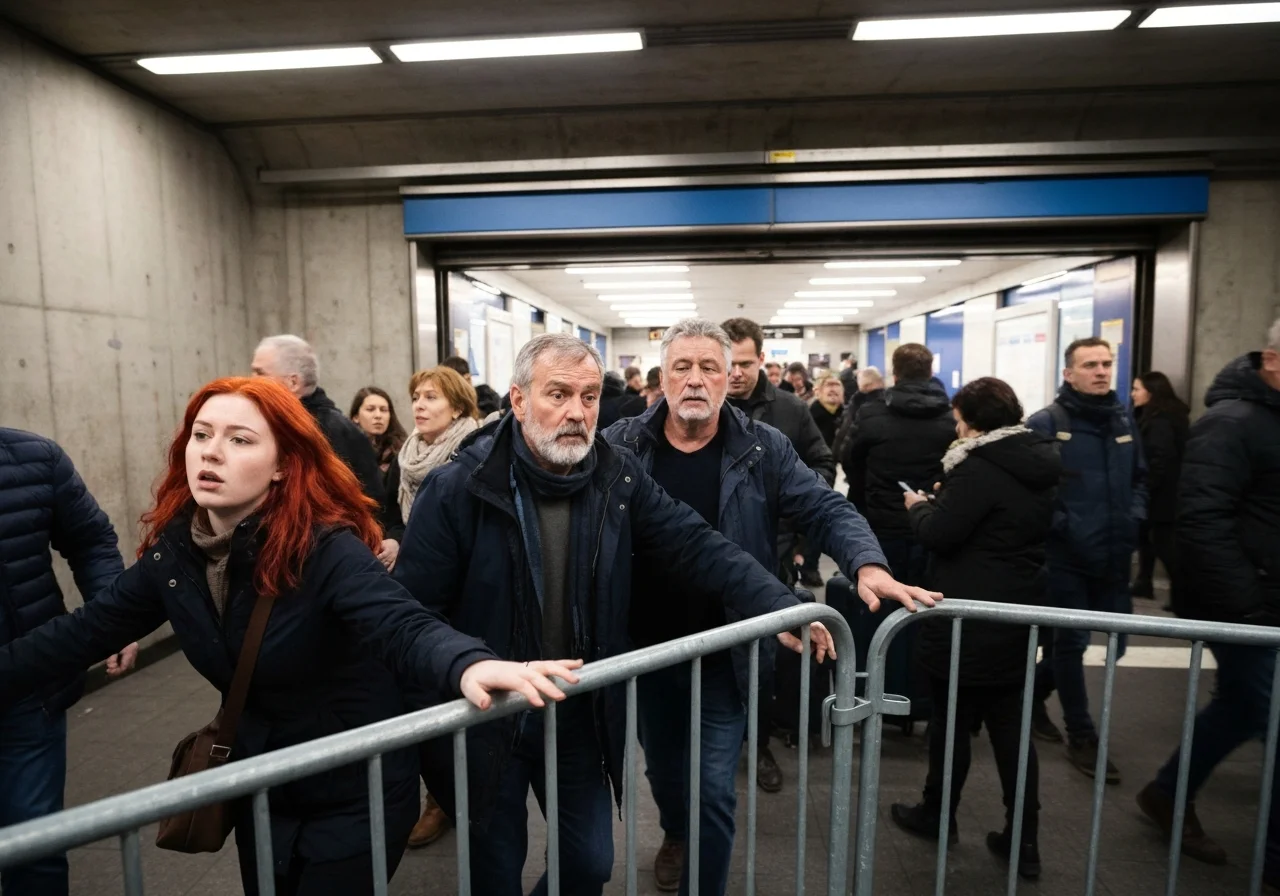
Local editor Jesse Lovell’s “occupation” framing (The Guardian) mirrors broken windows theory in reverse—prolonged troop visibility exacerbating community tensions rather than quelling them. The lockdown’s economic ripple effects were stark: office workers herded through back alleys while Secret Service cordons turned a financial district into a fortified enclave.

Security Protocols Aftermath
When bullets flew, the response was textbook target hardening—Farragut North Metro shuttered in minutes, Secret Service establishing a three-block perimeter faster than most hedge funds execute trades (CBS News). But the helicopters? That’s where cost-benefit analysis gets murky. One resident’s “warzone” description (The Guardian) underscores the paradox: aerial surveillance may deter threats but erodes public trust.
The protocol shift from passive patrols to active checkpoints reflects crime prevention through environmental design principles—yet criminologists remain skeptical about long-term efficacy (CBS News). In markets or metros, over-policing often yields diminishing returns.
Partisan Narrative Divergence
The shooting incident near the White House has become a Rorschach test for media bias—where you stand depends on where you sit. Liberal stalwarts like The Guardian frame this as textbook mission creep, hammering Trump's deployment orders with quotes about "occupation forces" straight from the urban trenches. Meanwhile, conservative bulldogs at The Daily Signal counterpunch with cold, hard stats—that 39% crime drop during the Guard surge isn't just a number, it's their smoking gun against what they see as bleeding-heart handwringing.
Social media turned this into ideological trench warfare. Keith Olbermann's viral broadside against Trump's "fash" policies clashed with FBI Director Patel's on-scene vow to "run down every lead"—a textbook case of agenda-setting theory playing out in real-time. The subsequent chain reaction manifests in our sentiment breakdown below, where media outlets pick their poison: presidential accountability or perpetrator-focused justice.
TABLE_NAME
<div data-table-slug="media-tone-comparison">| Publication | Headline Tone | Source Prominence | Blame Attribution |
|---|---|---|---|
| The Guardian | Critical/Provocative | Eyewitness accounts | Trump administration |
| The Daily Signal | Defensive/Statistical | Official crime data | Individual perpetrator |
| CBS News | Neutral/Procedural | Law enforcement sources | Undetermined |
| ABC News | Concerned/Cautious | Political analysts | Systemic factors |
| Washington Post | Analytical/Contextual | Historical precedents | Mixed |
Fundamentally, this dynamic underscores how media ecosystems weaponize context—The Guardian parades Democratic mayoral hopeful Goodweather's military cred to validate anti-deployment rage, while The Daily Signal's crime stats become their Excalibur for policy defense. The bifurcation isn't just academic—it's algorithmic, with social platforms turbocharging polarization by feeding the extremes.
Policy Implications of Urban Militarization
Constitutional Balance Considerations
The recent White House perimeter incident has thrown gasoline on the smoldering debate about military-civilian boundaries. At the heart of this lies the Posse Comitatus Act—a 145-year-old firewall against domestic militarization that’s now being stress-tested. When the Trump administration turbocharged National Guard presence in D.C., critics like Gary Goodweather cried foul, while defenders pointed to the Insurrection Act’s emergency provisions.
Here’s the rub: D.C.’s unique federal district status creates jurisdictional gray zones. Mayor Bowser’s characterization of the incident as a "targeted attack" versus federal "civil unrest" framing reveals this tension. Historical parallels—like 1960s troop deployments—offer cautionary tales where military presence sometimes quelled violence but often inflamed tensions. Legal eagles warn we’re playing with constitutional dynamite here—the delicate federalism balance could fracture if these statutes get stretched too far.
Long-Term Security Strategy Alternatives
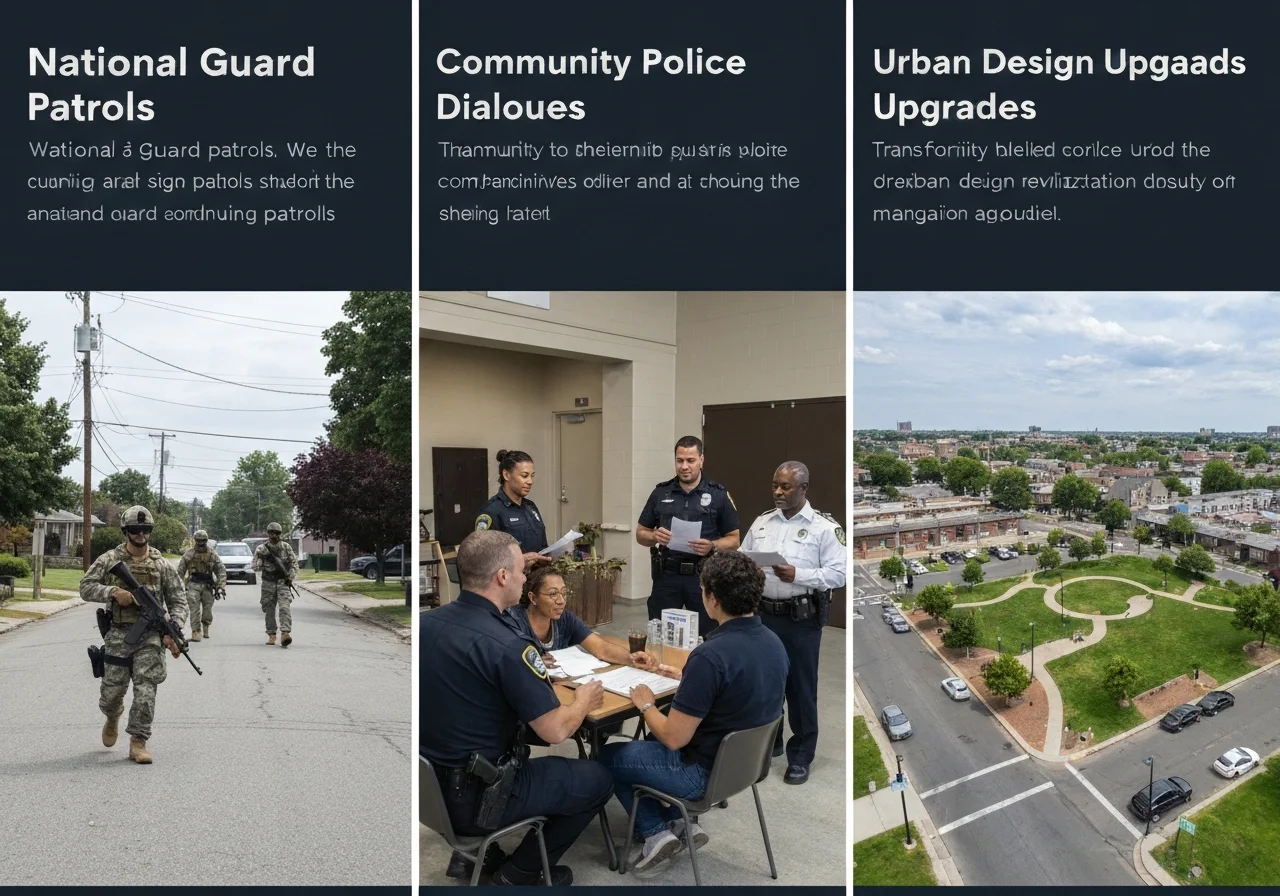
That 39% crime drop from the Daily Caller report looks impressive until you realize it’s the security equivalent of burning furniture to stay warm—unsustainable. The real playbook? Camden, New Jersey’s community policing model shows how trust-building can deliver 22-35% sustained reductions without turning streets into Green Zones.
Crime Prevention Through Environmental Design (CPTED) offers another avenue—think strategic lighting and pedestrian flows that deter crime organically. And let’s talk intelligence fusion: real-time data sharing between local and federal agencies could prevent incidents without visible troop presence. As Farragut Square witnesses attested, nothing breeds resentment like feeling occupied. Global capitals like London and Tokyo have mastered this balancing act—their playbooks are ripe for adaptation.
SECURITY-MODEL-COMPARISON
| Model | Key Features | Effectiveness (Crime Reduction) |
|---|---|---|
| National Guard Surge | High visibility, rapid response | 39% short-term (D.C. case) |
| Community Policing | Local engagement, trust-building | 22–35% sustained (Camden, NJ) |
| CPTED | Environmental redesign, deterrence | 15–25% long-term (global avg.) |
Evolving Security Paradigms
Redefining Civil-Military Boundaries
The targeted shooting near the White House has thrown gasoline on the smoldering debate about urban militarization—what we in the risk analysis biz call "the hardening paradox." When former Army captain Gary Goodweather calls the National Guard presence an "invitation to violence," he's articulating the classic security dilemma: protective measures can backfire by escalating tensions (The Guardian). Defense Secretary Hegseth's deployment of 500 additional troops isn't just a tactical move—it's a strategic shift blurring the Posse Comitatus bright line into a regulatory gray area.
Operational Impacts on Democratic Norms
Let's talk brass tacks about the optics-versus-reality gap. While the Trump administration touts a 39% crime reduction (The Daily Signal), residents like Jesse Lovell experience helicopter surveillance as psychological warfare (The Guardian). This isn't just about security theater—it's a fundamental mismatch between counterterrorism protocols and community trust-building. The real cost? Eroding the social license that lets law enforcement operate effectively.
Long-Term Institutional Consequences
When FBI Director Patel vows to "run down every lead," he's playing a high-stakes game of institutional credibility. Governor Newsom's "dictator's handbook" rhetoric (The Daily Signal) and social media's binary framing (CBS News) create a perfect storm for mission creep. The smart money says we'll see Insurrection Act reforms—not because they're politically convenient, but because the current framework can't handle 21st-century hybrid threats.
[image<farragut_square|National Guard troops patrolling near Farragut Square|armed soldiers conducting foot patrols past shuttered storefronts, civilians watching warily from sidewalks]
The subsequent chain reaction manifests in polarized public perceptions—where some see heroes and others see pawns. Fundamentally, this dynamic underscores the need for constitutional guardrails that adapt to asymmetric security challenges without sacrificing democratic norms.
References


Get Daily Event Alerts for Companies You Follow
Free: Register to Track Industries and Investment Opportunities