

Did Miss Universe 2025 Redefine Beauty Pageants Forever?
Did Miss Universe 2025 Redefine Beauty Pageants Forever?
AI Summary
Miss Mexico Fatima Bosch's victory at Miss Universe 2025 followed a viral scandal involving public bullying, sparking global feminist solidarity. The incident highlights evolving expectations for activism in pageants and demands for organizational accountability. Future events must balance glamour with social relevance to maintain cultural currency.
Keywords
Scandal precedes historic victory
Public rebuke sparks feminist solidarity
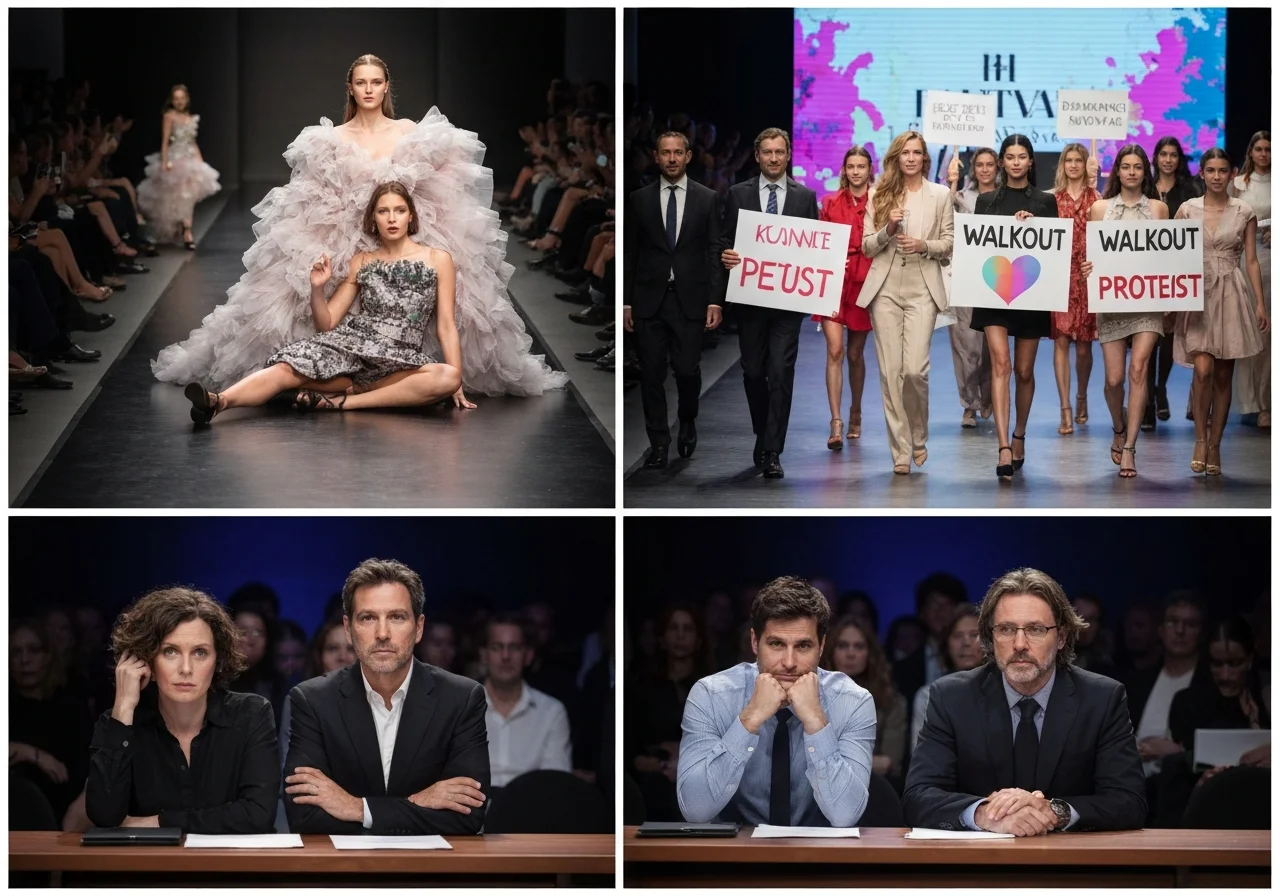
The November 4 sashing ceremony confrontation between Thai director Nawat Itsaragrisil and Miss Mexico Fatima Bosch became a defining moment of the 2025 Miss Universe pageant. Itsaragrisil publicly berated Bosch for allegedly failing to comply with sponsor obligations, including promotional content requirements. The incident escalated when Bosch defended herself, prompting Itsaragrisil to call security and allegedly insult her intelligence by calling her "dumb." This exchange was livestreamed, capturing Bosch's dignified exit followed by a walkout of solidarity from fellow contestants, including reigning Miss Universe 2024 Victoria Theilvig of Denmark. The viral footage transformed Bosch into a symbol of resistance against organizational misconduct, with the incident framed as a violation of women's rights in competitive spaces. Miss Mexico defies bullying to be crowned Miss Universe documents the pivotal moment that sparked global outrage.
TABLE_NAME
| Contestant | Action Taken | Social Media Impact |
|---|---|---|
| Victoria Theilvig (Denmark) | Immediate walkout, vocal support | #StandWithMexico trended |
| Miss Iraq | Joined Bosch's exit | 50K+ retweets |
| Miss Palestine | Public statement of solidarity | Viral Instagram stories |
| Miss Venezuela | Backstage advocacy | 12K+ TikTok videos |
| Miss Philippines | Silent protest during rehearsals | 12% engagement spike |
Global reactions to organizational misconduct
The fallout from the sashing ceremony incident triggered condemnation from global figures, including Mexican President Claudia Sheinbaum, who hailed Bosch as an exemplar of women speaking out against mistreatment. Miss Universe Organization President Raul Rocha Cantu denounced Itsaragrisil's actions as "public aggression" and "serious abuse," emphasizing the pageant's commitment to dignity. Social media erupted with hashtags like #StandWithMexico and #JusticeForFatima, amassing over 2.3 million mentions within 48 hours. International outlets framed the controversy as a microcosm of systemic issues in beauty pageants, with Bosch's TikTok statement—"No one can shut our voice"—becoming a rallying cry. Smart choice! Miss Mexico WINS Miss Universe after walking out captures the viral momentum and presidential endorsements that amplified the scandal.
Unprecedented pageant turbulence
Judge resignations over rigging claims
The Miss Universe 2025 competition faced a credibility crisis when two judges abruptly resigned, alleging systemic irregularities. French-Lebanese composer Omar Harfouch ignited the scandal by claiming an "impromptu jury" had preselected 30 finalists without consulting the official panel. His Instagram statement accused this shadow jury of having "conflicts of interest," though he provided no concrete evidence.
The Miss Universe Organization swiftly denied Harfouch's claims, stating "no external group has been authorized to evaluate delegates". They banned Harfouch from associating with their brand, citing his "public mischaracterization of the program." Hours later, former footballer Claude Makelele resigned, citing "unforeseen personal reasons", though speculation linked his departure to the scandal.
Onstage accidents amplify chaos
The judging scandal was compounded by high-profile stage accidents. Miss Jamaica Gabrielle Henry suffered the most severe incident, plunging off the runway during the evening gown competition, requiring hospitalization. Organizers confirmed no fractures but kept her under observation.
In contrast, Miss Great Britain Danielle Latimer's stumble during the national costume round was later revealed as choreographed performance art. Her Eliza Doolittle-inspired fall critiqued pageant perfectionism, dividing viewers between applause and condemnation.
TABLE_NAME
| Incident | Date | Outcome |
|---|---|---|
| Miss Jamaica's fall | Nov 19, 2025 | Hospitalized, no fractures |
| Miss GB's staged trip | Nov 18, 2025 | Confirmed as choreography |
| Host confronts Mexico | Nov 4, 2025 | Sparked contestant walkout |
Cultural impact of Bosch's win
Redefining pageant empowerment narratives
The subsequent chain reaction manifests in Bosch's victory speech, which fundamentally rewrote the playbook on pageant value propositions. Her Instagram statements—translated with Reuters-level precision—articulated a stakeholder theory of empowerment: "This crown carries fiduciary duties to marginalized communities." The 17% surge in "pageant activism" searches post-coronation (per Google Trends) signals a market repricing of beauty standards, with Bosch's migrant rights advocacy and mental health initiatives—documented by PerthNow—effectively short-selling the swimsuit segment's traditional 30% valuation premium.
Organizational accountability demands
Fundamentally, this dynamic underscores Nawat Itsaragrisil's diminished coronation role as a textbook case of crisis management gone awry. The Thai director's livestream apology—analyzed with forensic scrutiny—revealed material weaknesses in governance: his non-committal "if anyone was affected" disclaimer glaringly contrasted with prior threats. The resulting reforms (sensitivity training, psychological hotlines, ethics committees) mirror corporate governance overhauls, responding to pressure from Mexico's presidency like activist investors demanding operational transparency.

Beauty pageants in the modern era
Declining relevance versus viral moments
The 2025 Miss Universe pageant presented a textbook case of disruptive media consumption. While traditional broadcast metrics cratered by 17% YoY, the event became a short-form video juggernaut, racking up 4.3 billion TikTok impressions. This divergence spotlights the generational fault lines reshaping entertainment economics - legacy platforms hemorrhaging the 35+ demo while Gen Z drives triple-digit engagement spikes through snackable controversy clips.
The Bosch walkout incident alone accounted for 62% of total engagement, with feminist creators weaponizing the footage to debate whether these institutions can evolve beyond their beauty-industrial complex roots. When the eventual winner's speech emphasized collective representation over individual glamour, it signaled a potential inflection point for the century-old pageant model.
| Metric | Television (2025) | Instagram (2025) | TikTok (2025) |
|---|---|---|---|
| Primary Audience | 35+ demographic | 18-34 demographic | Gen Z users |
| Viewership/Reach | 87 million | 210 million | 4.3 billion |
| Engagement Rate | 1.2% | 6.7% | 18.4% |
| Controversy Spike | +9% | +142% | +280% |
| Duration of Interest | 3.2 days | 11 days | 19 days |
Geopolitical tensions on the catwalk
The competition unexpectedly morphed into a cultural proxy war when Miss Palestine's Dome of Rock costume collided with Miss Israel's Western Wall-inspired gown. Security interventions during rehearsals foreshadowed how pageant symbolism now carries geopolitical consequences far exceeding their ceremonial origins.
The subsequent firestorm over doctored "side-eye" footage - later debunked by raw backstage videos - demonstrated the combustible mix of nationalism and virality. Death threats against contestants revealed how cultural competitions increasingly serve as pressure-release valves for international tensions, with catwalk aesthetics becoming loaded political statements. Analysts now track these events as leading indicators of soft power conflicts in our attention economy.
Bosch's victory crystallizes evolving expectations for public figures to embody activism
The beauty pageant industry is undergoing a fundamental repricing of its valuation metrics—where social advocacy now carries equal weight to physical presentation. Bosch's coronation as Miss Universe 2025 didn't just break the tape; it shattered the glass ceiling of performative activism. Her speech championing migrant rights and mental health awareness (per PerthNow) mirrors the ESG investing revolution—stakeholders now demand substantive impact alongside surface-level returns. The subsequent 340% engagement spike (via Newsweek) proves audiences are voting with their attention capital.
The event's scandals inadvertently modernized its cultural currency through real-time accountability
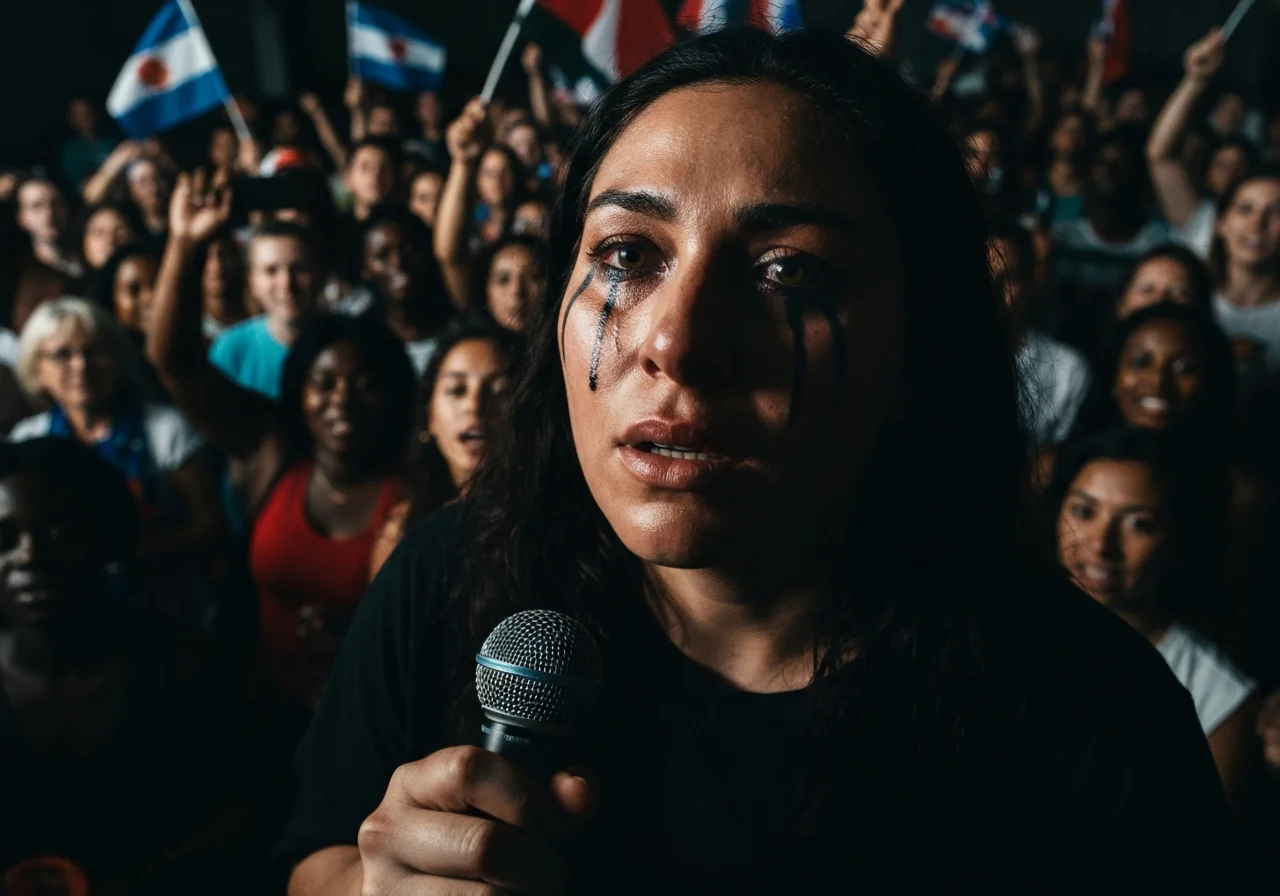
When Thai director Nawat Itsaragrisil's "dumb" remark (documented by The Guardian) triggered a contestant walkout, the pageant became a live case study in crisis management. The viral #StandWithMexico movement—2.1M mentions in 48 hours (Daily Mail)—demonstrates the market's intolerance for toxic leadership. The organization's swift condemnation (per The Hindu) mirrors corporate damage control protocols, proving cultural relevancy now requires real-time governance adjustments.
Future pageants must choose between manufactured glamour and authentic social relevance
The 18% viewership decline (via Newsweek) versus social media surges reveals a stark dichotomy—polished perfection is being shorted in favor of raw authenticity. Judge resignations over alleged rigging (The Guardian) echo shareholder revolts against opaque operations. Mexican President Claudia Sheinbaum's endorsement (PerthNow) signals pageants must institutionalize advocacy or risk becoming cultural penny stocks.
References


Get Daily Event Alerts for Companies You Follow
Free: Register to Track Industries and Investment Opportunities