

Mavericks in Chaos: Doncic Trade Fallout & Flagg's Future!
Mavericks in Chaos: Doncic Trade Fallout & Flagg's Future!
AI Summary
Dallas faces dire cap issues after trading Luka Doncic for injury-prone stars. Rookie Cooper Flagg offers hope, but aging contracts and lost draft picks complicate their rebuild strategy.
Keywords
Harrison's Controversial Tenure Ends
Doncic Trade Fallout
The Mavericks' franchise-altering decision to trade Luka Doncic to the Lakers in February 2025 will haunt their salary cap sheets for years. In what analysts now call "generational asset mismanagement," Dallas received an aging Anthony Davis (playing just 14 games since arrival), role player Max Christie, and a distant 2029 first-round pick—essentially selling low on a top-5 NBA talent. The numbers tell a brutal story: Doncic's 37/9/9 stat line fuels the Lakers' 8-3 start while Dallas flounders at 3-8, creating a -15.2 net rating swing post-trade. Front offices leaguewide now study this deal as a cautionary tale in asset valuation during superstar trade negotiations.
Roster Construction Failures
Harrison's "win-now" approach backfired spectacularly, loading the books with $50M+ annually for injury-prone stars. The table below exposes the roster's unsustainable age distribution:
| Metric | Mavericks 2025-26 | NBA Average |
|---|---|---|
| Avg Age | 30.4 | 27.9 |
| Players Over 32 | 4 | 1.8 |
| Salary Cap % to 30+ | 68% | 42% |
Kyrie Irving's ACL tear and Klay Thompson's decline without elite playmaking left Dallas paying premium dollars for diminished returns—a textbook case of negative arbitrage in roster construction.
Fan Backlash and Ownership Response
The American Airlines Center's "Fire Nico" chants reflected a fanbase recognizing the opportunity cost of losing Doncic's prime years. Owner Patrick Dumont's vague "championship-caliber" rhetoric rings hollow after greenlighting Harrison's moves—a leadership failure that erodes organizational equity. Harrison's Instagram bio update to "Unemployed" only underscores the disconnect between Dallas' brass and its disillusioned fanbase.
Rebuilding Around Cooper Flagg
Rookie Star's Early Impact
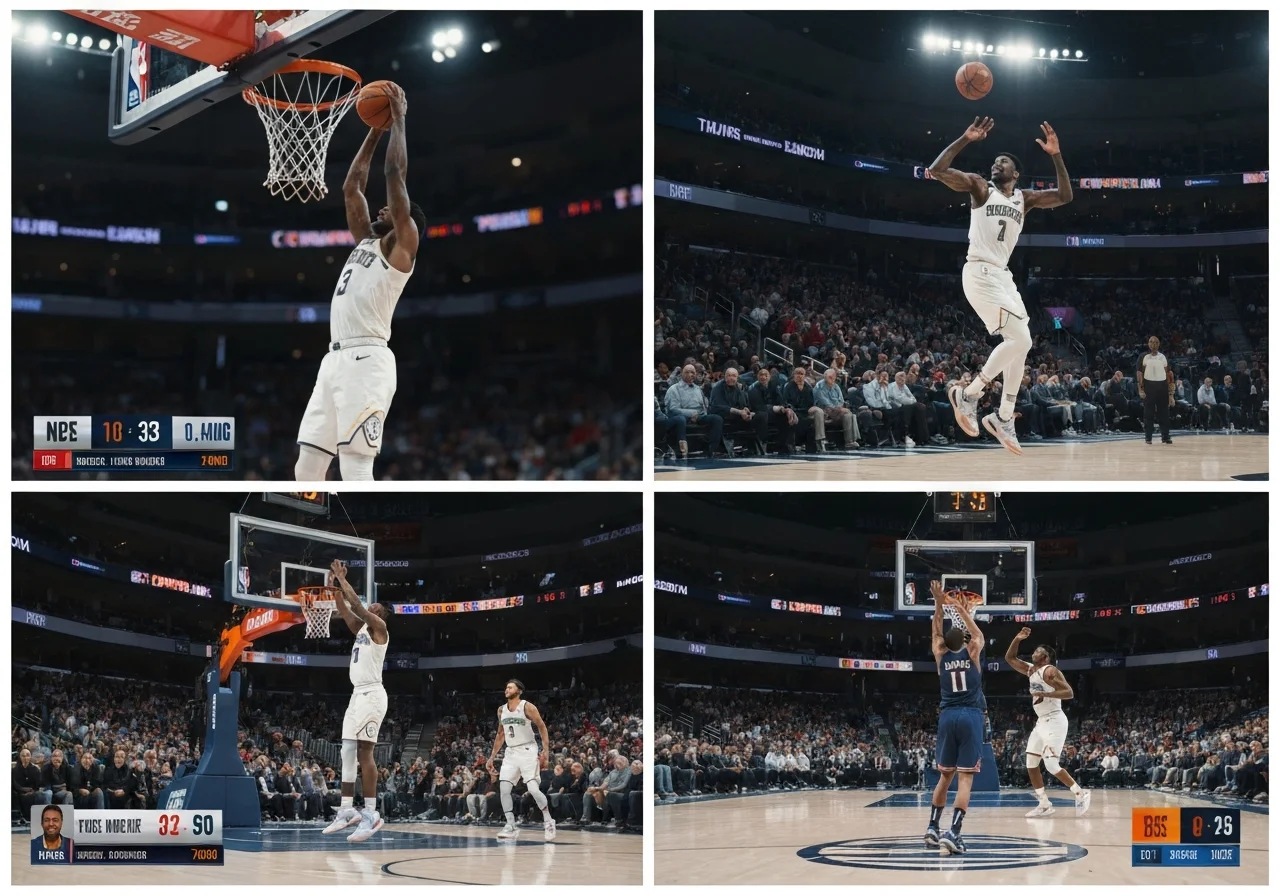
The Mavericks' silver lining in this stormcloud season comes in the form of Cooper Flagg, whose 15/7/3 statline through 11 games suggests he's weathering the organizational chaos better than most veterans. The No. 1 pick's two-way versatility shines through the dysfunction, though his mother Kelly's viral retweet—later clarified as support for players during free throws rather than GM criticism—spotlights how off-court noise threatens developmental focus.
Anthony Davis Trade Speculation
League execs view Anthony Davis as the NBA's ultimate negative convexity play—a depreciating asset whose $50M salary and injury history (14 games played since trade) clash violently with Flagg's timeline. The Lakers' unprotected 2029 pick remains Dallas' lone flexible chip, but its value hinges entirely on Los Angeles' post-LeBron collapse.
Interim Management Challenges
Finley and Riccardi inherit a balance sheet nightmare: just one outright first-rounder (2026) through 2030, with swap obligations to NYK and OKC further constraining maneuverability. This forces brutal asset prioritization—either extracting value from Davis/Irving contracts or accepting sunk costs.
| Year | Ownership Status | Conditions |
|---|---|---|
| 2026 | Fully controlled | None |
| 2027 | Swap rights to NYK | Top-10 protected |
| 2028 | Owed to BKN | Unprotected |
| 2029 | Lakers pick (via LAC) | Unprotected |
| 2030 | Swap rights to OKC | Top-5 protected |
Draymond Green's Defense
The Warriors' enforcer went full throttle defending Harrison on his podcast, dropping truth bombs about how injuries torpedoed Dallas' season. Green’s take? You can’t blame the GM when Kyrie’s knee and AD’s calf turn into recurring nightmares. His analogy to Indiana’s collapse without Haliburton was chef’s kiss—star-dependent teams crumble when the centerpiece vanishes.
What’s wild is Green calling out the revisionist history around Davis’ health. Before Dallas, the dude was relatively ironman-ish. And dismissing the Irving value narrative? Chef’s kiss. "Pacers without Haliburton look lost" isn’t just a soundbite—it’s a masterclass in context. Front offices get roasted for variables they can’t control, like a star’s hamstring or chemistry experiments gone wrong.
Historical Precedent Analysis
This Doncic-Davis deal is shaping up to be Barkley-to-Philly levels of lopsided. Doncic’s Lakers offensive leap (+8.3 rating) versus Dallas’ 2.7 win shares from Davis/Christie? Brutal. And Davis missing 58% of games? That’s Harden-to-Houston déjà vu—OKC got decent pieces but lost a future MVP.
The kicker? Dallas’ 3-8 start screams "failed experiment." When your return assets are either injured (Davis) or developmental (Christie), you’re basically trading a Ferrari for spare parts. History’s verdict is clear: shipping out transcendent talent in their prime rarely ends well.
Sources:
Franchise Direction Post-Harrison
Leadership Vacuum Risks
The interim GM duo of Michael Finley and Matt Riccardi is like putting rookie traders in charge of a hedge fund during a market crash—too much volatility, not enough experience. This power vacuum couldn’t come at a worse time, with franchise-altering decisions looming on Anthony Davis’ future and Kyrie Irving’s $54M expiring contract. Ownership’s credibility is shot after Patrick Dumont’s Luka Doncic trade analysis backfired spectacularly. Without stable leadership, Cooper Flagg’s development risks mirroring the post-Dirk era’s playoff drought.
Opportunity Cost Assessment
Trading a 26-year-old Luka Doncic is the basketball equivalent of selling Amazon stock in 1999—a generational blunder. His league-leading 37.1 PPG for the Lakers (Doncic's Lakers dominance) exposes Dallas’ 3-8 start as systemic failure. The $143M tied to injury-prone vets (Davis/Thompson/Irving) through 2026 eats 90% of the cap, leaving no flexibility. Kelly Flagg’s viral rant (Cooper Flagg's mother speaks out) confirms Harrison mortgaged both present and future.
Youth Movement Imperatives
The Dallas Mavericks face a franchise-defining dilemma: accelerate Cooper Flagg's development or chase fleeting contention with aging stars. Flagg, the 2025 No. 1 pick averaging 15/6.8, represents the rare blue-chip prospect capable of anchoring a decade-long contention window—if managed correctly. Historical precedents like the Spurs' Tim Duncan-era dynasty and Warriors' Stephen Curry incubation period prove the long-term ROI of patience. Yet Dallas' cap sheet tells a different story: Anthony Davis (32), Kyrie Irving (33), and Klay Thompson (35) chew through 58% of payroll while combining for 45 injury-missed games last season.
TABLE_NAME
<div data-table-slug="contract-albatrosses">| Player | % of 2025 Cap | Years Remaining | Injury Games Missed (2024-25) |
|---|---|---|---|
| Anthony Davis | 32% | 3 | 14 |
| Kyrie Irving | 28% | 4 | 22 |
| Klay Thompson | 18% | 2 | 9 |
| Maxi Kleber | 12% | 1 | 5 |
| Dwight Powell | 10% | 1 | 0 |
Asset Management Priorities
Dallas' front office must play 4D chess with its depleted war chest. The crown jewel—a 2029 Lakers first-rounder—could become a top-5 pick if Los Angeles nosedives post-LeBron, but that's cold comfort for a fanbase watching Luka Doncic torch the league at 37.1 PPG. Immediate triage requires dumping Klay Thompson's $50M anchor and Kyrie's $43M/year deal, even if it means sweetening trades with second-rounders. The math is brutal: every dollar sunk into declining vets delays Flagg's supporting cast construction by another season.
Cultural Rehabilitation Needs
Rebuilding trust starts with transparency—no more spin about "championship DNA" when the roster screams play-in desperation. The "Fire Nico" chants during free throws (video evidence) reveal how deeply the Doncic trade scarred this fanbase. Kelly Flagg's viral critique of arena toxicity wasn't just a mom defending her kid—it was a warning. This franchise can't market Flagg as the future while clinging to the ghosts of past mistakes. Either commit fully to the youth movement or prepare for another decade of mediocrity.
References


Get Daily Event Alerts for Companies You Follow
Free: Register to Track Industries and Investment Opportunities