

Did John Bolton Illegally Share Classified Intelligence?
Did John Bolton Illegally Share Classified Intelligence?
AI Summary
John Bolton's indictment details 18 counts of Espionage Act violations, including sharing WMD intel with family. The case highlights national security risks and potential political motivations behind the prosecution.
Keywords
Charges against former NSA adviser
Espionage Act violations detailed
The 18-count indictment against John Bolton reads like a worst-case scenario for classified materials handling—eight counts for unlawful transmission and ten for improper retention. Prosecutors allege Bolton shared weapons of mass destruction intelligence and diplomatic cables with family members he bizarrely designated as "editors." Each violation of 18 U.S. Code § 793(d) carries a potential decade in prison, though sentencing guidelines suggest stacked terms remain unlikely for first offenders.
What makes this case particularly damning? The smoking gun appears in message logs discussing publishing rights—blurring national security breaches with potential profit motives. This isn't just sloppy document control; it's a masterclass in how not to handle sensitive materials.
Alleged document mishandling timeline
| Period | Key Event | Legal Significance |
|---|---|---|
| 2018-2019 (Service) | 7 alleged transmissions during tenure as NSA | Demonstrates ongoing pattern during office |
| September 2019 | 1 transmission days after White House departure | Shows post-employment continuity |
| August 2022 | FBI searches Maryland home/DC office, seizes classified materials | Establishes evidentiary foundation |
| October 2025 | Grand jury returns 18-count indictment | Formalizes prosecution framework |
The timeline revealed by ABC News torpedoes any "accidental retention" defense—seven transmissions occurred during Bolton's NSA tenure, with an eighth shortly after his firing. This isn't a paperwork oopsie; it's a sustained pattern across professional contexts. The three-year investigation culminating in the 2025 indictment suggests methodical evidence-gathering rather than political theater.
Political context of prosecution
Trump's retribution campaign pattern
The legal targeting of John Bolton fits a disturbing pattern—former Trump officials turned critics facing federal heat. Like clockwork, James Comey and Letitia James found themselves indicted shortly after Trump's 2025 return. The Times of India's report reveals Trump personally pushed AG Pam Bondi to "go harder" on perceived enemies.
What stinks to high heaven? The synchronized timing. Bolton's 2018-19 security lapses only became a case in 2022—conveniently aligning with his scathing memoir calling Trump "dangerously incompetent." This reeks of weaponized justice, though the classified docs angle gives plausible deniability.
DOJ independence concerns
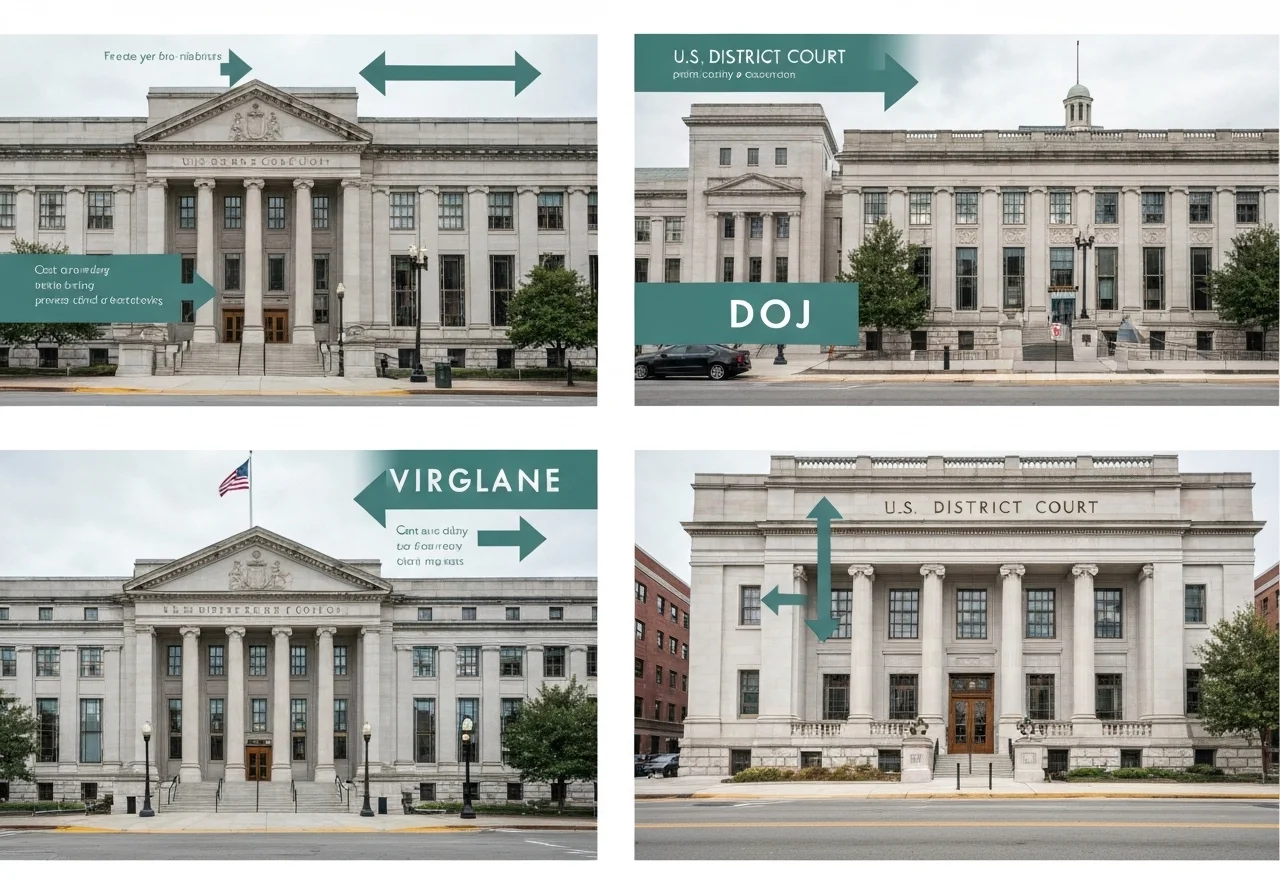
Here's where it gets spicy—Bolton's indictment came from Maryland career prosecutors, not Trump's Virginia appointees handling Comey/James. As Japan Today notes, the FBI seized legitimately concerning WMD docs from Bolton's place.
The DOJ claims stronger evidence here than in the Comey/James cases. Maybe. But when three Trump critics face charges simultaneously, even a blind man can see the optics problem. The department's internal protocols are getting stress-tested like never before.
DOJ CASE ASSIGNMENT COMPARISON
| Case | Jurisdiction | Prosecutor Type | Investigation Start |
|---|---|---|---|
| Bolton Indictment | Maryland District | Career Prosecutor | 2022 |
| Comey Indictment | Virginia District | Trump-Appointed | 2025 |
| James Indictment | Virginia District | Trump-Appointed | 2025 |
Legal and historical precedents
Classification dispute history
The indictment reignites scrutiny of Bolton's 2020 memoir "The Room Where It Happened," which previously sparked classification battles. Court filings reveal National Security Council officials identified "significant amounts" of top-secret material in Bolton's manuscript despite his claims of completing pre-publication reviews—a striking parallel to current charges alleging he shared classified notes with family members under the guise of editorial assistance.
This 2020 clash set critical precedents regarding executive branch authority over former officials' publications. The Trump administration's failed legal bid to block the book's release, citing national security risks, may now weigh on sentencing considerations as evidence of prior warnings about Bolton's document handling.

Maximum sentencing scenarios
The 18-count indictment (8 transmission + 10 retention charges) under the Espionage Act carries a theoretical maximum of 180 years, but historical benchmarks paint a different picture:
| Case | Charges | Sentence Imposed |
|---|---|---|
| Reality Winner (2018) | 1 count of Espionage Act | 63 months |
| Harold Martin (2016) | 20 counts of retention | 9 years |
Only one comparable case exceeded a decade, suggesting Bolton's cooperation and lack of foreign dissemination could yield a sentence under 10 years. Legal eagles note these cases turn on damage assessments—not just volume of documents.

National Security Implications
Intelligence community protocols
The Bolton indictment throws a harsh spotlight on the National Security Council's leaky ship during the Trump years. FBI logs reveal a jaw-dropping haul—"Confidential" to "Top Secret" materials on WMDs and diplomatic cables—scooped from Bolton's personal spaces like loose change. This wasn't some bureaucratic slip-up; we're talking about a systemic breakdown in compartmentalized access, where the former NSA kept classified meeting notes like personal diary entries. The real kicker? These weren't dusty archives but live briefings with foreign leaders from 2018-2019, suggesting active circumvention of need-to-know principles. When political appointee behavior starts mirroring espionage tradecraft, even hardened intel veterans raise eyebrows.
CLASSIFICATION LEVELS
| Tier | Handling Requirements | Typical Content |
|---|---|---|
| Confidential | Need-to-know basis | Diplomatic cables, operational plans |
| Secret | SCIF access required | Intelligence sources/methods |
| Top Secret | Special access programs | Nuclear weapons data, SIGINT |
Memoir publishing safeguards
Bolton's end-run around pre-publication review reads like a masterclass in how not to handle classified memoirs. While the National Archives typically imposes a 90-day cooling period with multiple agency checks, Bolton allegedly fast-tracked approval by name-dropping a phantom NSC sign-off—a claim that collapsed faster than a house of cards when investigators found uncleared WMD details in his drafts. The real smoking gun? His "editors" weren't cleared professionals but family members receiving classified nuggets via unsecured channels. This isn't Bob Woodward-style journalism—it's a dangerous game of telephone with nuclear secrets as the prize. When former officials treat SCI protocols like creative writing suggestions, they don't just risk prison time—they torch the playbook protecting sources and methods.

Prosecutorial Thresholds in High-Profile Cases
Evidence strength assessment
The FBI's August 2022 raid on John Bolton's properties wasn't just a routine document sweep—it was a surgical strike yielding classified materials that read like a geopolitical thriller. Agents bagged docs stamped "classified" to "secret" covering everything from WMD protocols to UN stratagems (Ex-Trump national security adviser Bolton charged in probe of mishandling of classified information). Bolton's "pre-publication review" defense rings hollow when stacked against the indictment's precision—eight counts of sharing state secrets with family plus ten retention violations. This ain't your garden-variety paperwork snafu; it's a smoking-gun paper trail that makes Comey's case look like a parking ticket.
First Amendment tensions
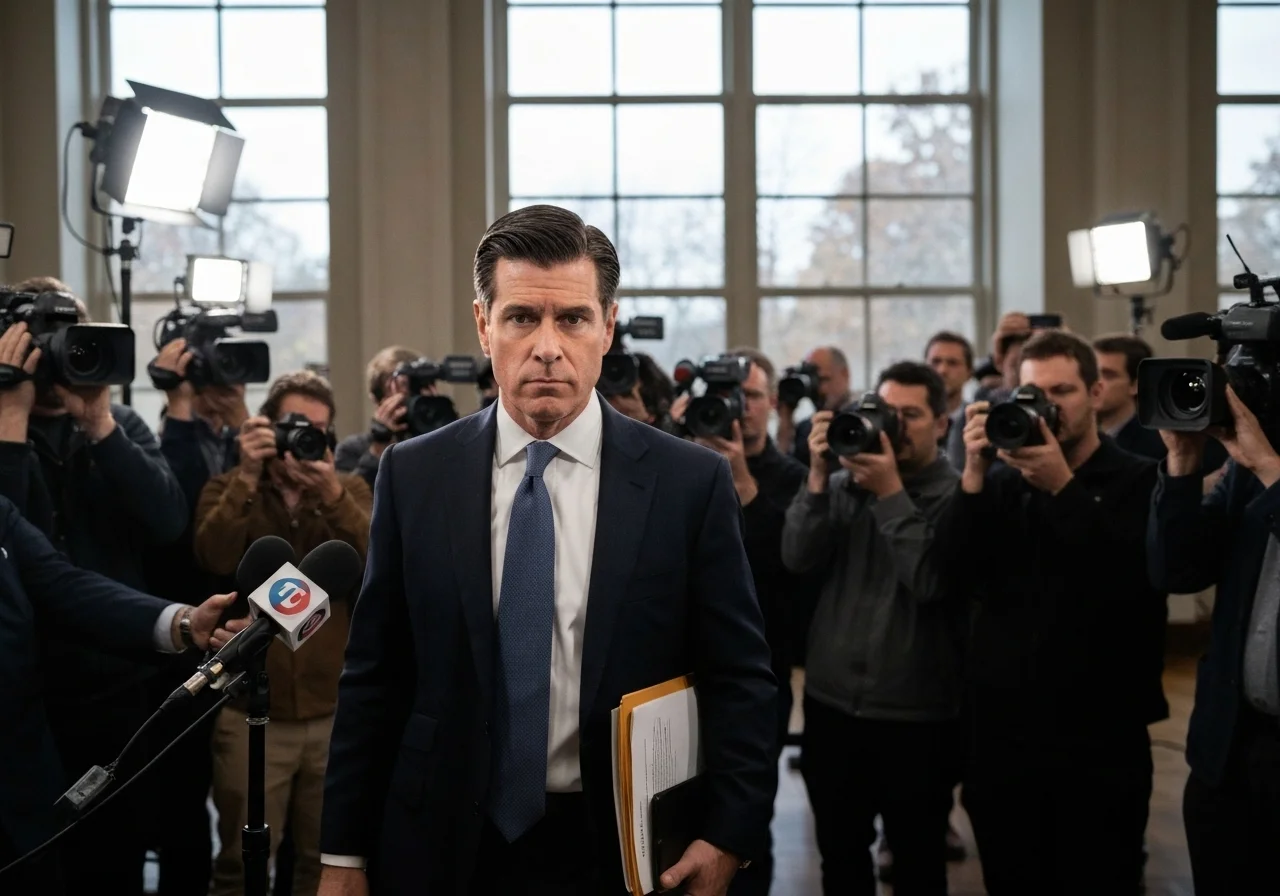
Here's where it gets juicy—Bolton claims his wife and daughter were just "editors" helping with his memoir, but the DOJ calls it unlawful transmission of national defense intel (John Bolton at federal courthouse for 1st court appearance following indictment). We've seen this movie before: the 2020 book fracas where Trump's NSC cried foul despite pre-clearance. This legal gray zone—where whistleblowing collides with classification authority—remains Washington's version of Schrödinger's cat. Is Bolton exposing presidential misconduct or compromising sources? The courts must decide whether memoir research qualifies as protected speech or a security breach. Either way, it's a First Amendment tightrope walk over a minefield of espionage statutes.

References


Get Daily Event Alerts for Companies You Follow
Free: Register to Track Industries and Investment Opportunities