

Will Israel's Beirut Strike Ignite Wider Middle East Conflict?
Will Israel's Beirut Strike Ignite Wider Middle East Conflict?
AI Summary
Israel's precision strike on Hezbollah's leadership in Beirut kills 5, violates ceasefire terms, and risks regional escalation that could disrupt energy markets and global trade routes.
Keywords
Targeting Hezbollah leadership
Key militant eliminated in precision strike
The IDF just took out Hezbollah's big cheese Haytham Tabtabai in a surgical Beirut strike – the kind of move that makes markets twitchy when regional tensions flare. This wasn't some low-level foot soldier; we're talking about the group's Chief of Staff with a $5 million terrorist bounty on his head since 2016. The strike completes Israel's trifecta of high-value takedowns since 2023, following the neutralizations of Secretary-General Hassan Nasrallah and ops chief Imad Mughniyeh.
<div data-table-slug="hezbollah-leadership-strikes">| Name | Position | Neutralization Date |
|---|---|---|
| Hassan Nasrallah | Secretary-General | September 2023 |
| Imad Mughniyeh | Operations Chief | February 2024 |
| Haytham Tabtabai | Chief of Staff | November 2024 |
Strategic implications of Beirut operation
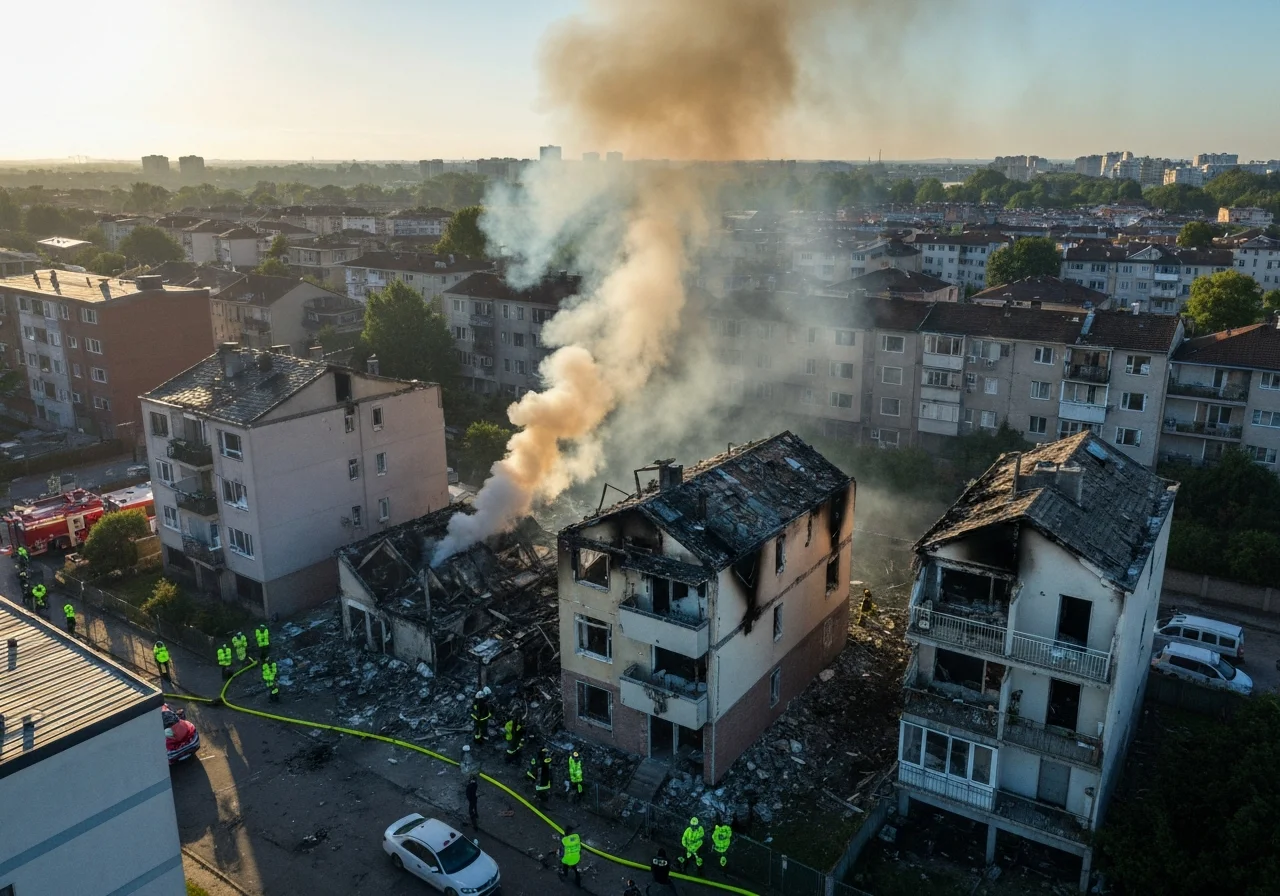
Here's where the rubber meets the road – Israel just bulldozed through UN Resolution 1701 with its first Beirut strike since last year's ceasefire. The move reeks of calculated escalation, hitting a residential area with zero warning (5 dead, 25 wounded per Lebanese reports). Defense wonks are sweating bullets over potential Iranian-backed retaliation, while the IDF claims this was about cutting off Hezbollah's weapons pipeline. Either way, we're staring down the barrel of expanded conflict that could send regional risk premiums through the roof.
Civilian impact and international response
Casualty figures and collateral damage
The human cost here reads like a grim balance sheet – 5 fatalities and 25 wounded according to Lebanon's Health Ministry, with residential blocks turned to rubble. No advance warning means this operation will face serious proportionality scrutiny under international law. These urban strike scenarios always carry nasty PR fallout, and this one's already drawing comparisons to previous contested IDF operations in Gaza.
Diplomatic reactions to military escalation
Lebanon's president is screaming sovereignty violation while Hezbollah vows payback – standard playbook stuff. The real tell will be Washington's move; State Department's radio silence speaks volumes about the diplomatic tightrope here. With Iran's proxies already on hair-trigger alert across the region, we're essentially watching geopolitical dominos teetering on the brink.
Geopolitical ramifications moving forward
Ceasefire stability and rearmament concerns
The IDF's playing the preemption card hard, claiming Tabtabai was rebuilding Hezbollah's arsenal – but that justification wears thin when you're dropping bombs in civilian neighborhoods. Southern Lebanon's become a permanent IDF parking lot since 2023, and this strike suggests Israel's doubling down on its asymmetric warfare playbook rather than seeking de-escalation.
Regional security landscape evolution
While eyes are glued to Beirut, don't sleep on parallel Hamas tensions in Gaza or the upcoming Papal visit to Lebanon – both wildcards that could amplify or mitigate fallout. The real kicker? How this plays into global energy markets if retaliatory strikes threaten Mediterranean gas fields or key shipping lanes.
Thresholds of asymmetric warfare
IDF's targeted assassination doctrine versus Hezbollah's militia tactics
Israel's precision strike playbook just got another chapter, but these high-profile hits come with diminishing returns. Each "successful" elimination breeds more radicalized recruits – it's the ultimate security ROI paradox. Meanwhile, Hezbollah's hybrid warfare model (part militia, part political party) makes conventional deterrence strategies about as effective as a screen door on a submarine.
Legal debates over proportionality in urban strikes
The lawyers are already sharpening their knives over this one. When you're taking out high-value targets in apartment blocks, the collateral damage calculus gets messy fast. International courts may eventually weigh in, but for now, the court of public opinion is delivering a split verdict with every fresh casualty report.
Casualty figures and collateral damage
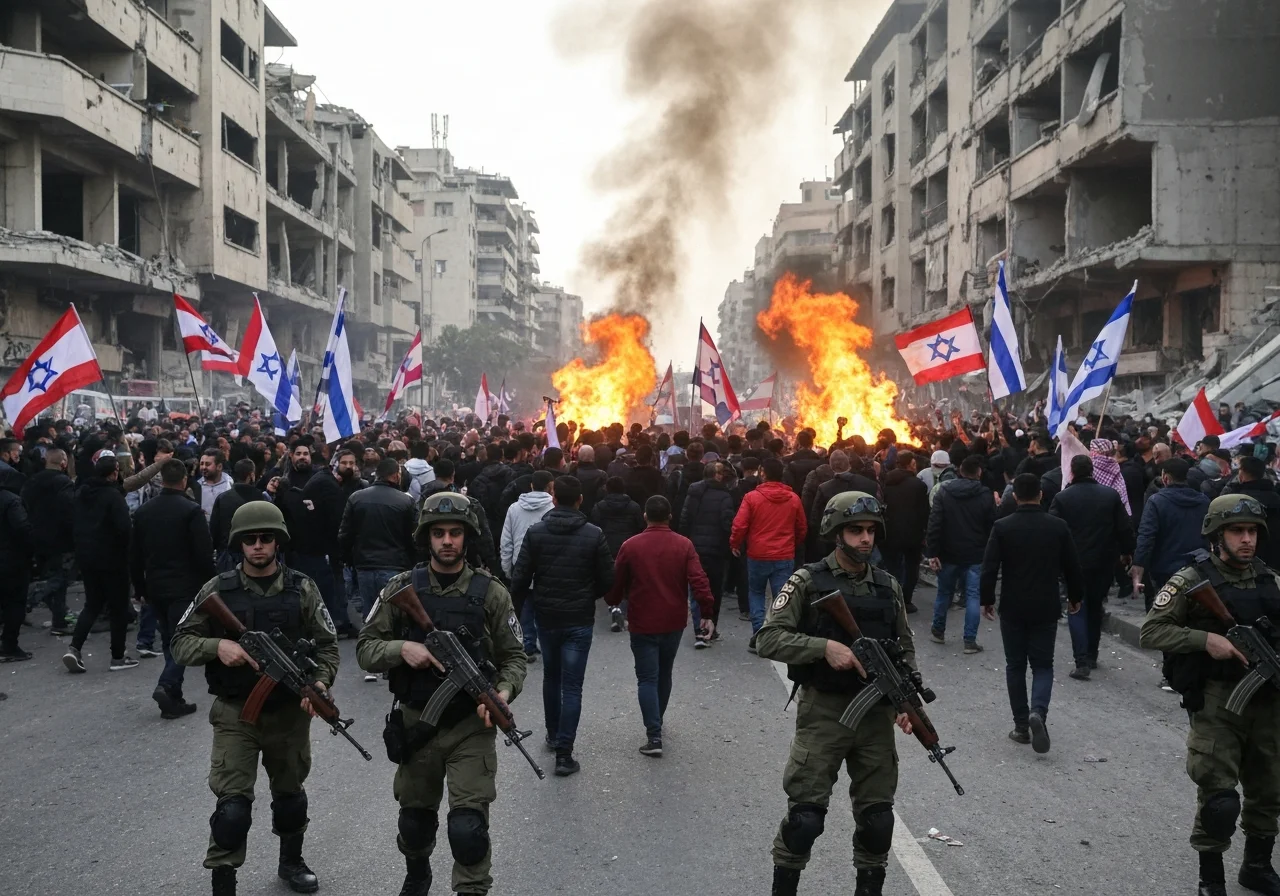
Let’s cut through the noise—when precision strikes go sideways, the human cost becomes the lead story. Lebanon’s Health Ministry reports 5 dead and 25 wounded, a grim tally that’ll haunt the proportionality debate under international law. No evacuation warnings? That’s a red flag for compliance hawks. The strike’s bullseye—Dahiyeh’s residential blocks—now looks like a case study in collateral damage, with security teams combing through wrecked cars like forensic accountants dissecting a balance sheet. This isn’t just a breach of the 2024 ceasefire; it’s a full-throated violation of UNSC Resolution 1701, and the market for regional stability just took a nosedive.
Diplomatic reactions to military escalation
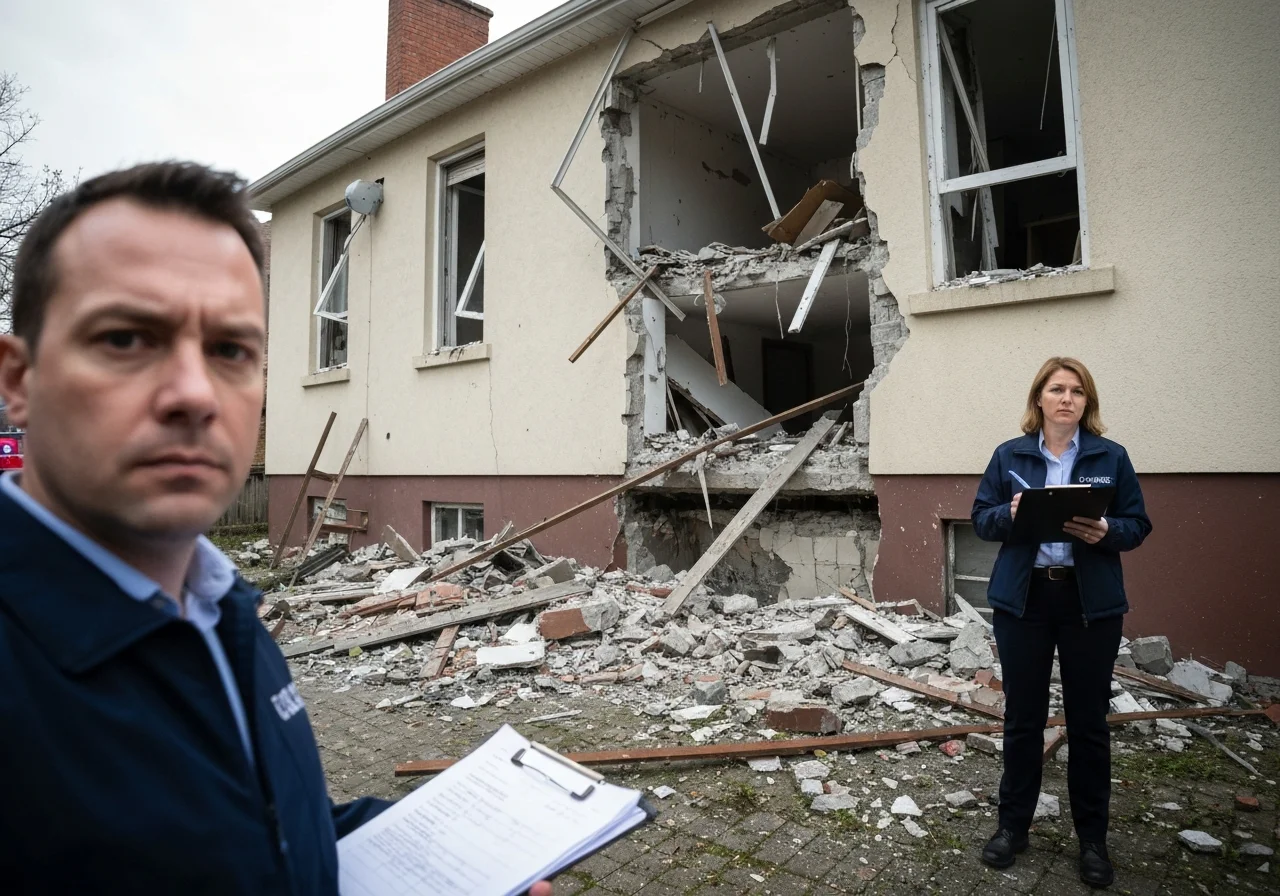
The geopolitical dominoes are wobbling. Lebanese President Aoun’s condemnation hits like a sovereign credit downgrade—unexpected and costly. Meanwhile, the US State Department’s radio silence speaks volumes, especially when the target carried a $5 million bounty since 2016. Hezbollah’s deputy Qamati isn’t mincing words: this opens the floodgates for retaliatory ops, turning Lebanon into a tinderbox ahead of the Pope’s visit. And when a UN rep like Mohamad Safa drops the "war crime" label, institutional investors in peace start hedging their bets. Buckle up—this escalation’s volatility index just spiked.
Ceasefire stability and rearmament concerns
The IDF's surgical strike in Beirut isn't just another blip on the geopolitical radar—it's a high-stakes gamble in the fragile ceasefire poker game. Military brass are doubling down on their narrative of preemptive action, claiming the takedown of Hezbollah's Haytham Tabtabai cripples the group's ability to rebuild its special forces units. But here's the rub: Israel's continued troop presence in southern Lebanon violates the November 2024 ceasefire playbook, drawing sharp rebukes from Beirut.
Historical precedents scream caution—the 2023-2024 conflict displaced populations like bad debt write-offs before claiming 4,000 lives. Now Hezbollah's Qamati warns of retaliatory strikes that could turn this localized skirmish into a full-blown regional crisis.
Regional security landscape evolution
This Beirut strike isn't operating in a vacuum—it's part of Israel's multi-front security calculus. While Gaza tensions simmer, the timing of this operation (days before Pope Leo XIV's Lebanon visit) throws diplomatic grease on the fire. Lebanese President Aoun isn't mincing words, calling the attack a clear violation of UNSC Resolution 1701 that demands international intervention.
The security timeline reads like a risk assessment report:
| Date | Event | Impact |
|---|---|---|
| Dec 2024 | Israeli troops remain in 3 border positions | Violates ceasefire withdrawal terms |
| Jan 2025 | Hezbollah rocket attacks resume in Metula | IDF responds with airstrikes on launch sites |
| Mar 2025 | US sanctions Lebanese financiers tied to Hezbollah | Disrupts weapons supply chains |
| Jun 2025 | IDF drone strikes destroy suspected missile caches in Bekaa Valley | Lebanon files UN complaint over sovereignty breach |
With Mediterranean shipping lanes in the crosshairs, this conflict could send shockwaves through global energy markets faster than a flash crash. Hezbollah's escalation threats versus Israel's defensive posture create a dangerous feedback loop—one that could tip the region back into open warfare.
Thresholds of asymmetric warfare
IDF's targeted assassination doctrine versus Hezbollah's militia tactics
The IDF's surgical takedown of Hezbollah's Haytham Tabtabai wasn't just another strike—it was a masterclass in high-value targeting. This precision playbook, honed over decades, aims to decapitate enemy leadership while minimizing boots-on-ground risks. But here's the rub: Hezbollah's playbook flips the script with decentralized cells and urban warfare tactics that turn residential blocks into launchpads. Military analysts note the strike's strategic weight—Tabtabai wasn't just another commander but the architect behind cross-border ops in Syria and Yemen, with a $5M U.S. bounty on his head. The subsequent chain reaction manifests in Hezbollah's signature move: indiscriminate rocket barrages that keep the conflict calculus permanently unbalanced.
Legal debates over proportionality in urban strikes
When precision meets population density, the legal fog thickens. The IDF's "military objective" claim collides with Lebanon's casualty reports—5 dead, 25 wounded—in what human rights observers call a Geneva Convention gray zone. No evacuation warnings, no clear battle lines—just the age-old question: does neutralizing a terrorist financier justify collateral damage? The U.S. State Department's radio silence speaks volumes about the geopolitical tightrope walk between counterterrorism and international law.
Escalation risks for global energy markets and trade routes
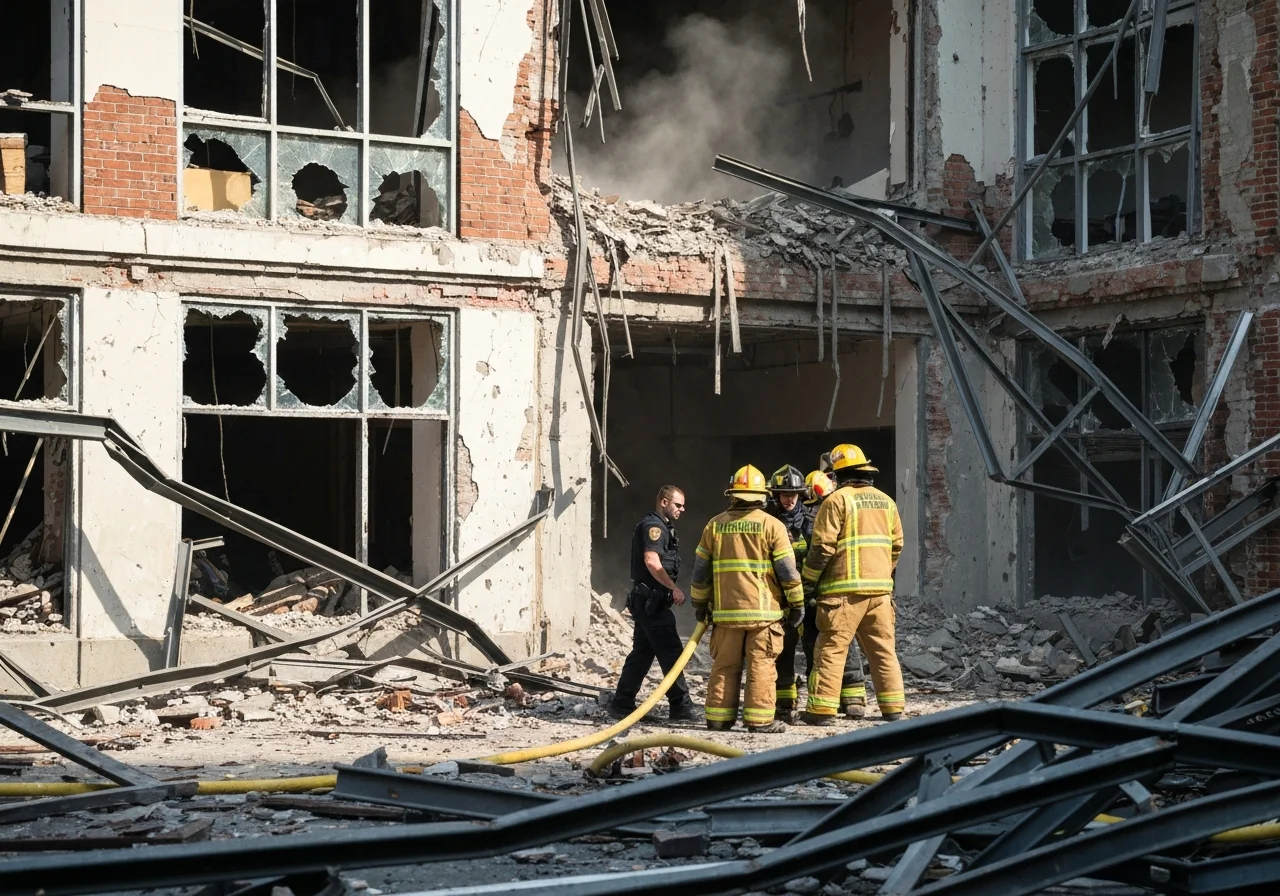
This isn't just Beirut's backyard brawl—it's a potential tripwire for global commerce. With Hezbollah vowing retaliation, the Mediterranean's shipping lanes and Suez Canal oil flows hang in the balance. Remember 2023-2024? When localized skirmishes sent shockwaves through supply chains? We're staring at a rerun, with IDF troops dug into southern Lebanon and Hezbollah allegedly stockpiling Iranian rockets. The fundamental dynamic here? Regional sparks can ignite global energy fires faster than you can say "strategic choke point."
References


Get Daily Event Alerts for Companies You Follow
Free: Register to Track Industries and Investment Opportunities