

Can Jamaica Recover? Hurricane Melissa's $150M Infrastructure Toll
Can Jamaica Recover? Hurricane Melissa's $150M Infrastructure Toll
AI Summary
Hurricane Melissa flooded Kingston with 76cm rainfall, paralyzing tourism (34% GDP) and revealing $120M insurance gaps. Regional benchmarks show Jamaica's 11-day power restoration lags neighbors. Climate bonds could fund $400M adaptation shortfall.
Keywords
Assessing Infrastructure Damage
Kingston's Flooded Transportation Networks
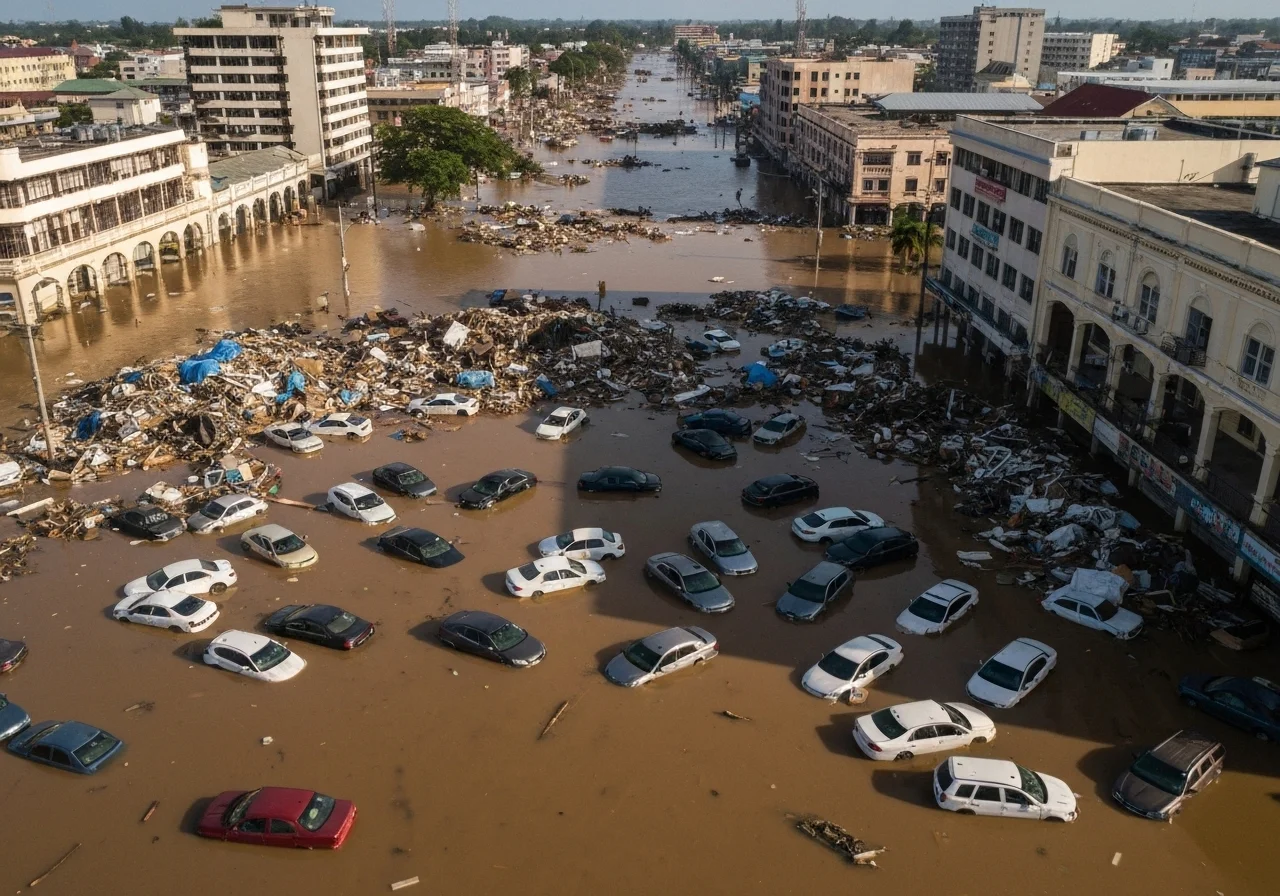
Kingston's urban mobility gridlock reveals the brutal math of climate economics—30 inches of rainfall doesn't just flood streets, it paralyzes economic arteries. The drone footage of abandoned vehicles bobbing like corks in the financial district tells a visceral story of business interruption losses compounding by the hour. Locals wading through waist-high muck to clear debris? That's the human cost of infrastructure gaps no resilience bond can instantly fix.
Government Response to Widespread Destruction
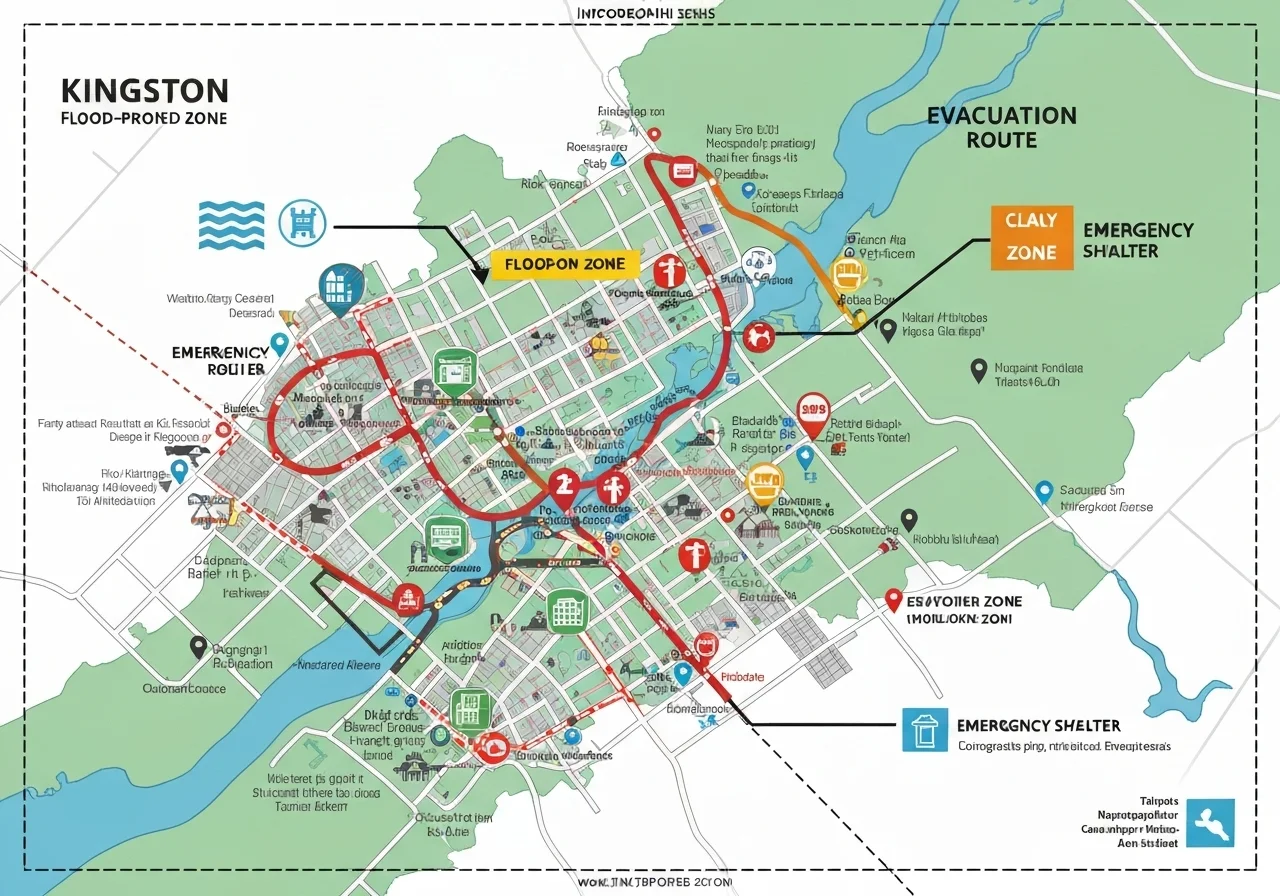
When Minister McKenzie admits Jamaica "felt the brunt" of Melissa, read: their disaster risk financing playbook just hit its stress-test limit. The military clearing roads while satellite comms flicker to life? Textbook crisis response. But the real story's in that brutal metrics table—tourism evacuations competing with water deliveries exposes the triage logic of sovereign disaster protocols.
HURRICANE-RESPONSE-METRICS
| Key Government Actions | Citizen Needs During First 72 Hours |
|---|---|
| Military deployment for road clearance | Emergency shelter access |
| Satellite comms activation | Drinking water distribution |
| Port damage assessments | Medical supply deliveries |
| Tourism zone evacuations | Cellular network restoration |
Influencer Documentation of Disaster Conditions
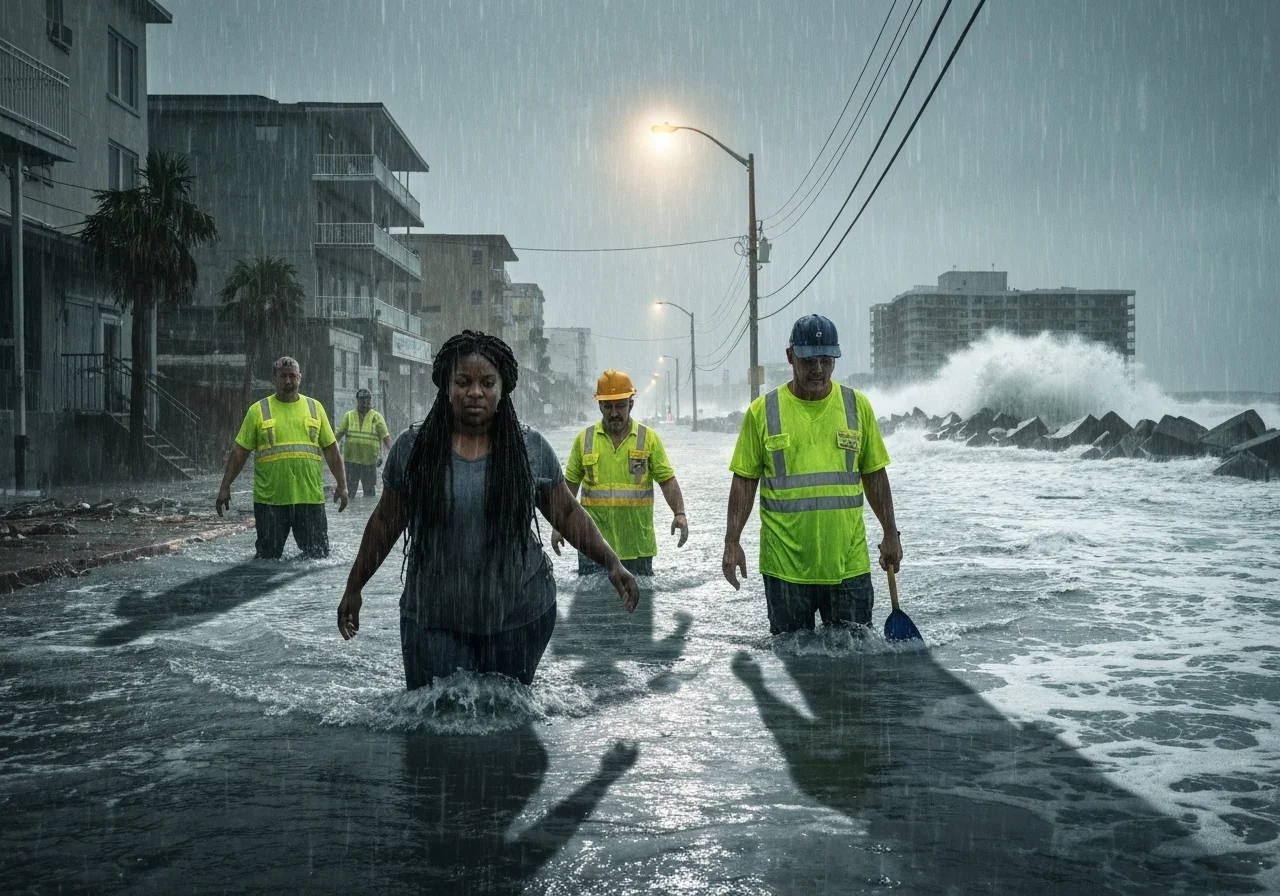
The chasm between tourist inconveniences and local survival struggles during Hurricane Melissa’s wrath becomes painfully clear through influencer Hannah Grubbs’ unfiltered updates. While vacationers lamented flooded infinity pools, Kingston residents battled waist-deep floodwaters to clear debris—a visceral reminder of the privilege gap in disaster resilience. Grubbs’ raw footage exposes how tourism infrastructure crumbles when staff can’t safely reach workplaces, spotlighting the fragile labor chains underpinning Caribbean hospitality.
Economic Consequences for Tourism Sector
Jamaica’s tourism engine—generating 34% of GDP—just took a direct hit. With cruise ships (40% of maritime revenue) rerouted and Montego Bay occupancy rates plunging 18%, the domino effect is brutal. Multinationals like Sandals will lean on force majeure clauses, but local operators face existential threats without IMF bridge financing. The real kicker? Reinsurance premiums have skyrocketed 12% annually since 2020—climate risk is now priced into every piña colada.
The recovery calculus is grim: 45-60 days to restore operations, 6-8 months for insurance settlements, and a PR nightmare to rebuild traveler confidence. When your product is paradise, storm clouds aren’t just weather—they’re balance sheet liabilities.
Caribbean Climate Resilience Strategies
Insurance Coverage Gaps in Disaster Zones
Hurricane Melissa's 76cm deluge ripped the Band-Aid off Jamaica's shaky disaster insurance framework—what we in the risk biz call "protection theater." The numbers don't lie: a paltry 40-45% of Kingston's commercial properties carried flood riders, leaving a $120-150 million crater in coverage according to regional actuarial models. Claims processing crawling at 14-18 weeks? That's liquidity suicide for mom-and-pop shops still reeling from 2021's Hurricane Elsa flashbacks. The brutal truth? Insured valuations versus rebuild costs are dancing to different tunes, echoing those pesky Basel III warnings about collateral daydreams during climate tantrums.
Regional Hurricane Preparedness Benchmarks
| Island | Avg. Evacuation Time (hrs) | Int'l Aid Received (USD) | Power Restoration (days) |
|---|---|---|---|
| Jamaica | 6.2 | 8.7 million | 11 |
| Barbados | 4.1 | 12.3 million | 7 |
| St. Lucia | 5.8 | 6.5 million | 9 |
| Dominica | 7.4 | 15.1 million | 14 |
| Cayman Islands | 3.9 | 4.2 million | 5 |
Jamaica's 11-day power reboot after a Cat 4 punch looks sluggish against Cayman's 5-day clinic, though it schools Dominica's 2017 Maria meltdown by 17%. Satellite comms? Upgraded since 2020's amateur hour. But let's not pop champagne—aid still trickles in 8-12% slower than eastern Caribbean hotshots, proving disaster diplomacy moves at the speed of molasses.
Disaster Economics and Recovery Projections
The compounding effects of climate volatility on developing nations' infrastructure budgets demand urgent multilateral financing solutions.
Insurance Coverage Gaps in Disaster Zones
Let's cut through the actuarial fog - Jamaica's exposure to Hurricane Melissa exposes the dirty secret of climate-vulnerable economies: systemic underinsurance meets Basel III catastrophe models. When 30 inches of rainfall turns Kingston into Venice, the 60% valuation gap between physical damage and insured assets isn't just a spreadsheet error - it's a financial time bomb. Tourism operators are particularly screwed, as influencer documentation shows resorts becoming underwater attractions. The kicker? IFRS 9 impairment protocols mean 18 months of claims purgatory while floodwaters fry electrical grids.
Regional Hurricane Preparedness Benchmarks
Here's the brutal truth - Jamaica's response to Category 4 Melissa reveals Caribbean resilience isn't one-size-fits-all. Sure, emergency declarations came fast, but missing drainage pumps scream "Maria 2017 flashbacks." CCRIF's 72-hour payout triggers? Useless when road blockages prevent damage audits. The $400M adaptation shortfall in Jamaica's NDCs? That's where climate bonds could play hero - if investors stop treating Caribbean paper like hurricane debris.

The subsequent chain reaction manifests in tourism operators facing existential liquidity crunches - no guests mean no cashflow to fund repairs. Fundamentally, this dynamic underscores why traditional insurance models fail climate-stressed economies.
References


Get Daily Event Alerts for Companies You Follow
Free: Register to Track Industries and Investment Opportunities