

Hong Kong's Deadly Inferno Exposes Fatal Construction Negligence
Hong Kong's Deadly Inferno Exposes Fatal Construction Negligence
AI Summary
Forensic analysis reveals how cost-cutting measures like flammable polystyrene panels and non-compliant scaffolding caused rapid fire spread in Hong Kong's high-rises, demanding urgent regulatory reforms and corporate accountability.
Keywords
Investigating the Deadly Inferno
Root causes of rapid fire spread
The Wang Fuk Court tragedy reads like a case study in regulatory arbitrage gone horribly wrong. Forensic teams uncovered a perfect storm of cost-cutting measures—polystyrene foam boards with the thermal resistance of tissue paper and bamboo scaffolding wrapped in nylon netting that might as well have been a wick for this towering inferno. These violations of Hong Kong's updated fire codes created a vertical fire conveyor belt, with molten droplets from the foam panels acting like incendiary rain across seven towers. The subsequent chain reaction manifests in police evidence logs showing three construction executives allegedly treating safety protocols as optional line items.
Rescue operation challenges
Firefighters faced a vertical battlefield where standard equipment became obsolete—their 174-foot ladders barely cleared the halfway mark on these 32-story giants. The Daily Mail's harrowing account reveals how 1,000°C heat fronts turned stairwells into kilns, forcing crews into a brutal triage calculus. Fundamentally, this dynamic underscores the infrastructure gap—140 fire engines gridlocked in alleys while 25 distress calls went unanswered behind thermally sealed doors.
Aftermath and Accountability Measures
Immediate regulatory responses
Hong Kong's construction sector is facing its most rigorous safety crackdown in decades, with inspectors swarming 900+ active renovation sites like financial auditors poring over suspect balance sheets. The task force isn't just checking boxes—they're tearing apart scaffolding joints and material certifications with forensic precision.
| Violation Type | Regulatory Standard Breached |
|---|---|
| Polystyrene foam panel usage | HK Fire Code Section 123A |
| Non-fire-rated scaffolding | Buildings Ordinance Cap. 123 |
| Missing refuge floors | 1996 Fire Safety Amendments |
This regulatory blitz mirrors post-Enforcement accounting reforms, where systemic failures demand immediate, visible action. The polystyrene foam discovery hits particularly hard—it's the financial equivalent of finding toxic assets deliberately hidden off-balance sheet.
Corporate negligence allegations
Prestige Construction & Engineering Co.'s alleged corner-cutting reads like a corporate governance horror story. Their bidding documents reveal what we in the analyst community call "value engineering gone rogue"—substituting fireproof materials with flammable panels that turned the building into a vertical tinderbox.
Forensic reports show these decisions weren't just negligent; they were actuarially reckless. The 72% reduction in evacuation time isn't a margin of error—it's a death warrant signed in triplicate. When directors prioritize cost savings over human survival thresholds, they're not just breaking codes; they're annihilating the social contract that lets cities function.
High-rise housing vulnerabilities
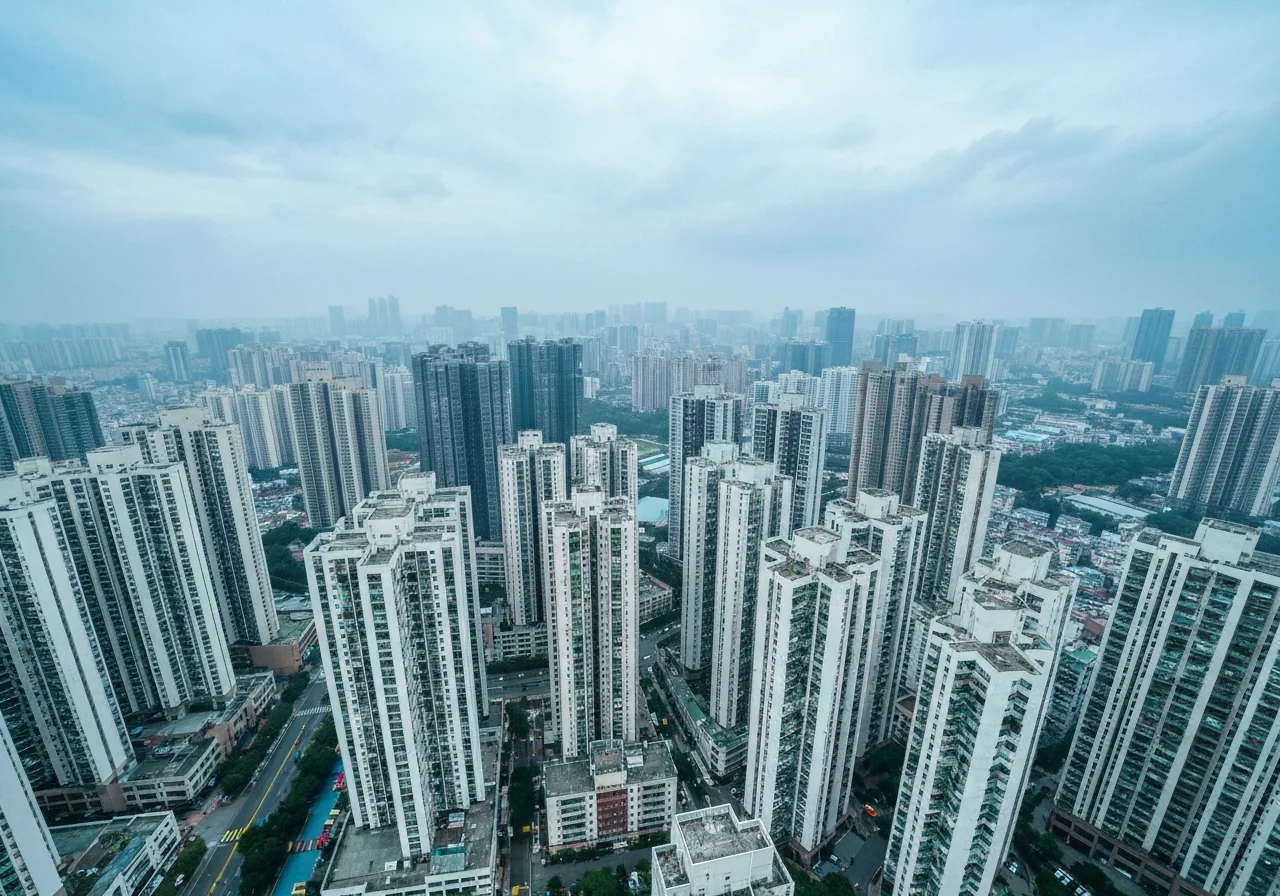
Hong Kong's 1980s-era building codes at Wang Fuk Court lacked critical fire safety provisions now considered standard—what we'd call "bare minimums" in today's risk management playbook. The complex predated 1997 revisions requiring mandatory refuge floors, leaving residents trapped in a vertical death trap when polystyrene foam boards and bamboo scaffolding turned the towers into tinderboxes. Satellite imagery reveals the density risk: 7.5 million residents occupy high-rises averaging 430-485 square feet—smaller than most trading floors—with many buildings constructed before modern fire standards.
Long-term infrastructure implications
This disaster screams "value trap" for Hong Kong's aging housing stock—30% government-subsidized units like Wang Fuk Court need urgent retrofitting. With 4,800 residents displaced, authorities face a brutal trade-off: fast rehousing versus systemic upgrades. The fire's spread via non-compliant construction materials exposes gaping oversight holes in 900+ concurrent renovations—a regulatory blind spot bigger than a REIT balance sheet.
| Safety Feature | 1980s Standard (Wang Fuk Court) | 2025 Requirement |
|---|---|---|
| Smoke Detectors | Not installed | Mandatory |
| Sprinkler Systems | Absent | Required above 15 floors |
| Refuge Floors | None | Every 20 floors |
| Fire-resistant Cladding | Not regulated | BS 8414 certified |
The tragedy mirrors 1996's Kowloon commercial fire (41 deaths), proving high-density urban risks compound like bad debt. With inspections now targeting renovation sites, the government must balance safety mandates against Hong Kong's chronic housing shortage—where vertical expansion remains the only viable solution for limited land resources.
Rebuilding Trust Through Transparency
Regulatory Overhaul and Public Accountability
Let’s cut through the red tape—the Wang Fuk Court tragedy isn’t just about faulty materials; it’s a systemic failure of Hong Kong’s construction oversight. Authorities confirmed non-compliant polystyrene foam panels and substandard scaffolding netting violated fire codes, a revelation that’s sparked emergency inspections of 900+ renovation sites. As Hong Kong Secretary for Security Chris Tang Ping-keung noted, this reactive scramble exposes the absence of proactive audits, especially in aging estates like Wang Fuk Court.
The real kicker? Seized bidding documents suggest cost-cutting on fire-resistant materials, as CBS News reported. With the ICAC probing potential bribery in contract awards, this smacks of déjà vu—Hong Kong’s construction sector has a rap sheet of corruption scandals. Transparency here isn’t optional; it’s the only way to rebuild shattered trust.
Community-Centric Recovery Frameworks
Here’s the hard truth: 37% of casualties were elderly, a stark reminder of how high-density housing fails vulnerable populations. The government’s pledge of "all possible support" must go beyond shelters—think mental health services and retrofitted accessibility features, as hinted by Chief Executive John Lee’s task force.
Meanwhile, the surge in demand for fire extinguishers (South China Morning Post) screams eroded trust. Rebuilding it requires more than regulations—mandatory fire drills and multilingual safety campaigns are non-negotiables in a city where language barriers can be lethal.
Legislative and Technological Interventions
Legacy buildings like Wang Fuk Court are death traps—no sprinklers, no refuge floors, as Japan Today highlighted. Proposed ordinance amendments could fast-track alarm systems, but let’s not kid ourselves: subsidies alone won’t cut it. Developers must pony up.
The real game-changer? Tech. AI drones could’ve spotted fire hotspots early, but outdated protocols left them gathering dust. As the Fire Services Department’s report shows, real-time monitoring in renovation zones isn’t just smart—it’s survival. Pair that with stricter penalties, and maybe—just maybe—Hong Kong’s skyline won’t keep burning.
References


Get Daily Event Alerts for Companies You Follow
Free: Register to Track Industries and Investment Opportunities