

Aviation Meltdown: 6,000+ Flights Grounded in Shutdown Chaos
Aviation Meltdown: 6,000+ Flights Grounded in Shutdown Chaos
AI Summary
Major airports face 150-minute delays with 35% staffing shortages, revealing systemic aviation vulnerabilities. Controllers work unpaid 60-hour weeks as safety protocols trigger 40% operational slowdowns. Urgent funding solutions needed to prevent rural air service collapse.
Keywords
Flight Disruptions Escalate Nationwide
Major airports experience cascading delays
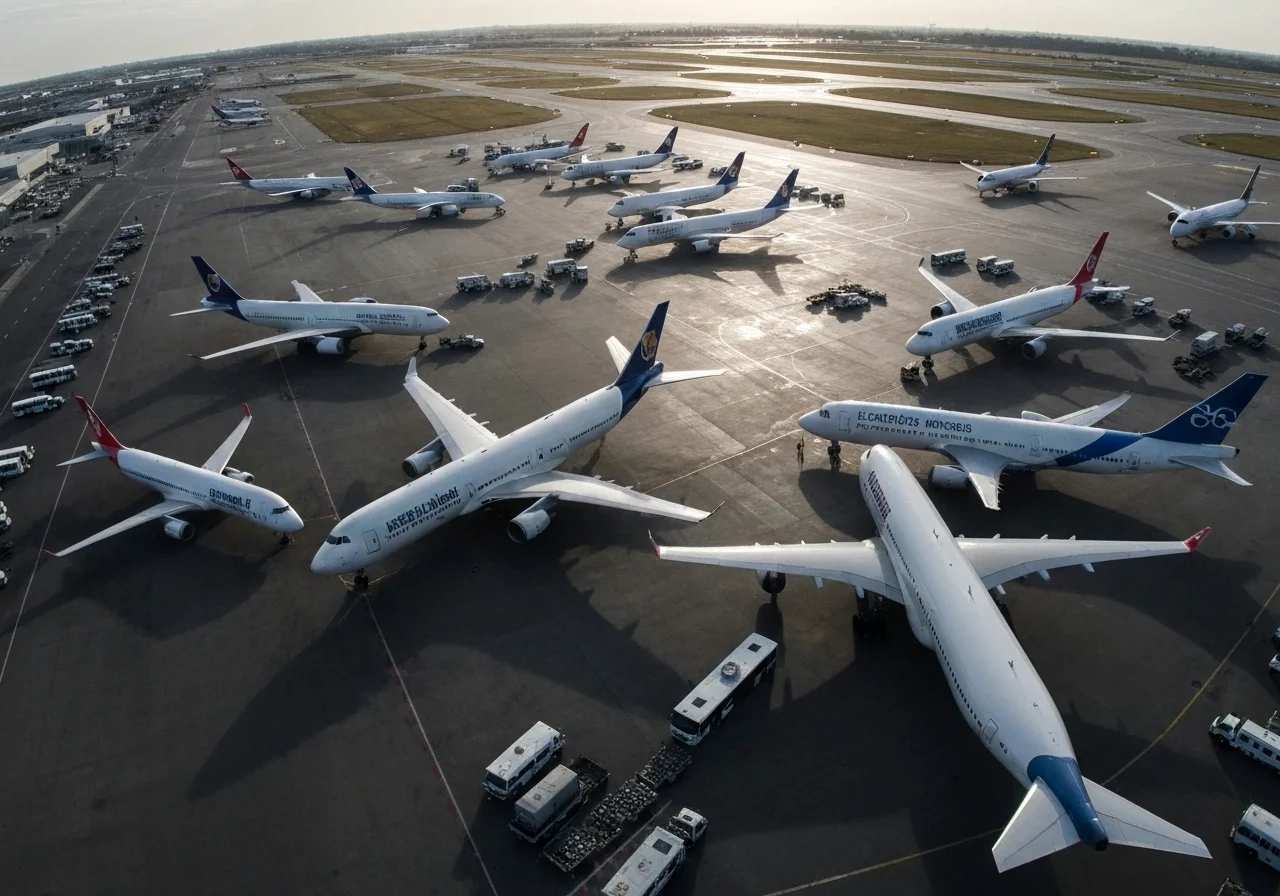
The aviation sector is getting hammered by the federal shutdown, with over 6,000 flights delayed nationwide—a number that would make any airline CFO break out in cold sweats. Critical hubs like JFK and O'Hare are operating at 65-67% staffing levels, creating a domino effect that's choking the entire national airspace system. Chicago's delays hit 127 minutes on average, proving that when you understaff critical infrastructure, the math always comes due.
Critical facilities face temporary closures
Burbank's complete ATC shutdown was the canary in the coal mine—150-minute delays don't lie. When essential personnel aren't getting paid, even regional airports become single points of failure. Newark's 72% staffing level shows how thin the margin for error really is in this high-stakes system.
| Airport | Avg. Delay (mins) | Staffing Level | % Flights Affected |
|---|---|---|---|
| O'Hare (Chicago) | 127 | 67% | 42% |
| Burbank (LA) | 150 | 0% (temp) | 23% |
| Newark | 98 | 72% | 31% |
| Denver | 84 | 78% | 19% |
| LaGuardia (NY) | 113 | 65% | 27% |
Workforce Crisis Intensifies
Essential personnel work without pay
The government shutdown has thrust 20,000 NATCA-represented controllers into financial purgatory—legally mandated to work 60-hour weeks without paychecks. This déjà vu scenario mirrors 2018’s breakdown when moonlighting controllers created a fatigue crisis, except now they’re battling a 10% staffing deficit on empty stomachs. Transportation Secretary Duffy’s "airspace remains safe" assurances ring hollow when the system’s operating on fumes.
Stress compounds existing staffing shortages
FAA data reveals a perfect storm: critical facility alerts have spiked 37% since the shutdown, while sick leave rates mimic 2022’s post-COVID chaos—only without paychecks to cushion the blow. The Burbank Airport meltdown wasn’t an anomaly; it’s the new normal as flow restrictions slash flight volumes by 20%. When even Newark Liberty controllers are calling in sick, you know we’re flying blind.

Systemic Vulnerabilities Exposed
Safety protocols trigger operational slowdowns
The FAA's ground delay programs are kicking in hard—like emergency brakes on a runaway train. When controller headcounts dip below critical thresholds, the system automatically throttles operations by up to 40%, creating a safety buffer that feels more like gridlock. FlightAware's latest stats show 42% of O'Hare flights and 23% at Burbank got slapped with 150+ minute delays. Here's the kicker: these flow controls were designed for weather emergencies, not chronic understaffing. The domino effect now ripples through connecting flights nationwide, proving even failsafes have breaking points.
Small community air services at risk
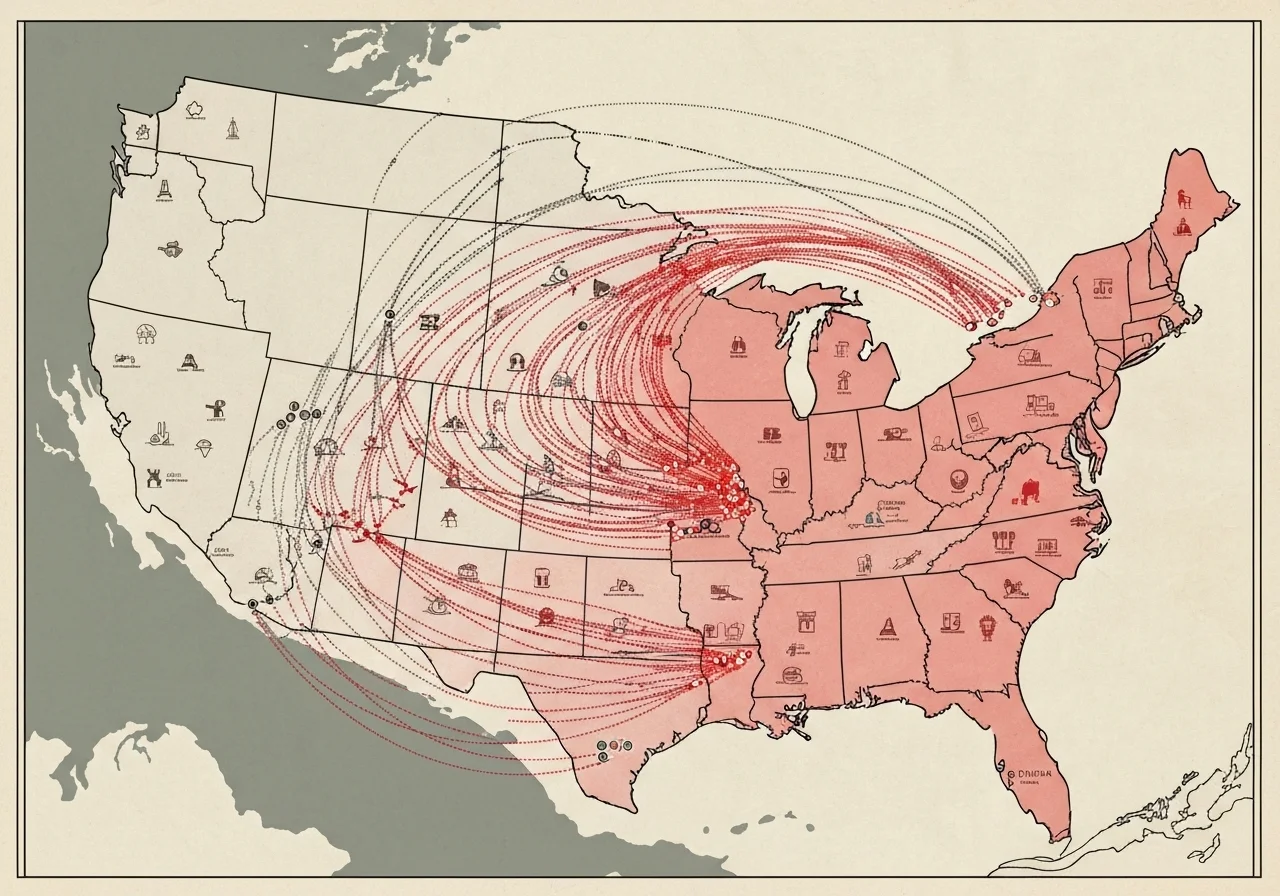
Rural America's air lifeline is dangling by a thread as the EAS program barrels toward funding exhaustion. With $300 million in subsidies about to vanish, towns like Presque Isle and Thief River Falls—where planes already fly 62% empty—face total isolation. Transportation Secretary Duffy's warning shots echo 2019's shutdown mess, when 72 communities lost service for half a year. Contingency coffers are dry, and regional carriers are prepping Friday cancellations. This isn't just about empty middle seats—it's about severing economic arteries to America's heartland.
Aviation Infrastructure at Breaking Point
Union Warnings vs. Safety Assurances
The National Air Traffic Controllers Association (NATCA) has sounded the alarm on systemic fragility, revealing controllers are grinding through "10-hour shifts, 6 days a week" without pay during the shutdown—a pressure cooker scenario for an already depleted workforce (air traffic control facilities struggle to maintain staffing). Transportation Secretary Sean Duffy’s safety assurances ring hollow when juxtaposed with his admission of rising stress levels and a "slight tick up in sick calls" (FAA implements flow restrictions). The operational brittleness crystallized when Burbank Airport’s control tower emptied, forcing the FAA to impose 2.5-hour delays—a Band-Aid solution that rippled across 6,000+ flights nationwide (staffing-triggered slowdowns).
Bipartisan Solutions for Cascading Failures
Three structural fixes could prevent this déjà vu scenario: (1) Funding continuity through automatic appropriations for critical aviation roles, (2) Staffing buffers by fast-tracking the FAA’s controller training pipeline, and (3) Stress mitigation via mental health supports. The 2018-2019 shutdown’s 34-day debacle—when controllers drove Ubers to make ends meet—proves temporary patches don’t fly (historical parallels). A cross-aisle solution could emulate aviation trust fund mechanics, insulating operations from political gridlock.
TABLE_NAME
| Metric | 2018-2019 Shutdown | Current Disruption (2025) |
|---|---|---|
| Peak Daily Flight Delays | 3,200 | 6,000+ |
| Avg. Controller Absenteeism | 8% | 12% (projected) |
| Essential Program at Risk | TSA Screening | Essential Air Service |
| Controllers Working Unpaid | 35 days | 7+ days (ongoing) |
References


Get Daily Event Alerts for Companies You Follow
Free: Register to Track Industries and Investment Opportunities