

Why Did FAA Lift Flight Restrictions? Safety Data Reveals All
Why Did FAA Lift Flight Restrictions? Safety Data Reveals All
AI Summary
FAA's emergency order reversal followed plunging safety incidents (81 to 1 in 8 days) and 0.25% cancellations. Airlines lost $144M during shutdown but restored 91% routes for Thanksgiving. Implement contingency pay for controllers to prevent future crises.
Keywords
Analyzing the FAA's emergency order reversal
Key drivers behind flight restriction removal
The FAA's decision to lift flight restrictions wasn't made on a whim—it was a data-driven call backed by three smoking guns. First, their safety nerds crunched the numbers showing a jaw-dropping 98.8% plunge in staffing-trigger events, from 81 red flags on November 8 to just one lonely incident by November 16 (FAA safety metrics). Second, controller ranks bounced back like a coiled spring post-shutdown, with 91% of flights departing on time at major hubs—a stat that'd make any airline CFO breathe easier (Cirium aviation data). Third, cancellation rates nosedived to 0.25%, smashing through the FAA's 3% safety threshold like a hot knife through butter (FAA operational reports).
STAFFING-TRIGGER-TRENDS
| Date | Staffing Trigger Events | Cancellation Rate |
|---|---|---|
| Nov 7 | 42 | 4.0% |
| Nov 8 | 81 (peak) | 5.8% |
| Nov 9 | 63 | 6.2% |
| Nov 10 | 47 | 4.5% |
| Nov 12 | 18 | 3.1% |
| Nov 14 | 5 | 2.4% |
| Nov 16 | 1 | 0.25% |
Phased reduction of flight cuts
The FAA played this like a seasoned poker pro—starting with a 10% bluff before methodically scaling back to 4%, then 6%, then finally 3% before folding the restrictions entirely (FAA press releases). This graduated approach gave them real-time reads on controller staffing at pressure-cooker hubs like New York and Chicago airports. The proof? Cancellation rates dipped below mandated levels three days before D-Day—a trend FlightAware tracking data confirms with just 149 cancellations on November 16 versus 2,900 during the peak chaos of November 9.

Immediate effects on airline schedules
The FAA's decisive move to lift restrictions couldn't have come at a better time for carriers scrambling to salvage the lucrative Thanksgiving rush. With full operations resuming at 6am EST Monday across 40 major hubs—including heavyweights like JFK and LAX—the aviation sector is breathing a collective sigh of relief. The safety review showing incident rates plummeting from 81 to just one in eight days gave regulators the confidence to pull the trigger.
Airlines played this crisis with chess-like precision—United and Delta's Friday aircraft repositioning created crucial capacity buffers. The phased reduction strategy (10%→4%→6%→3%) proved its worth, preventing the kind of 7,000+ cancellation meltdown that could've torpedoed Thanksgiving travel. Sunday's 0.25% cancellation rate, comfortably below the FAA's 3% threshold, shows the system's resilience.
Financial consequences of shutdown disruptions
TABLE_NAME
<div data-table-slug="cancellation-financial-impact">| Carrier | Estimated Losses (USD) | Cancellations (Nov 7-16) |
|---|---|---|
| American Airlines | $42 million | 1,240 |
| Delta Air Lines | $38 million | 1,075 |
| United Airlines | $35 million | 987 |
| Southwest Airlines | $29 million | 856 |
The financial bruises are real—$144 million in cumulative losses and that brutal 2,900-cancellation day on November 9th. Carriers dodged worse damage through savvy moves like dynamic pricing and cargo reshuffling. Now the focus shifts to Thanksgiving's make-or-break window—historically delivering 8-12% of Q4 revenue. With 91% route restoration expected by November 20, the sector might just stick this landing.
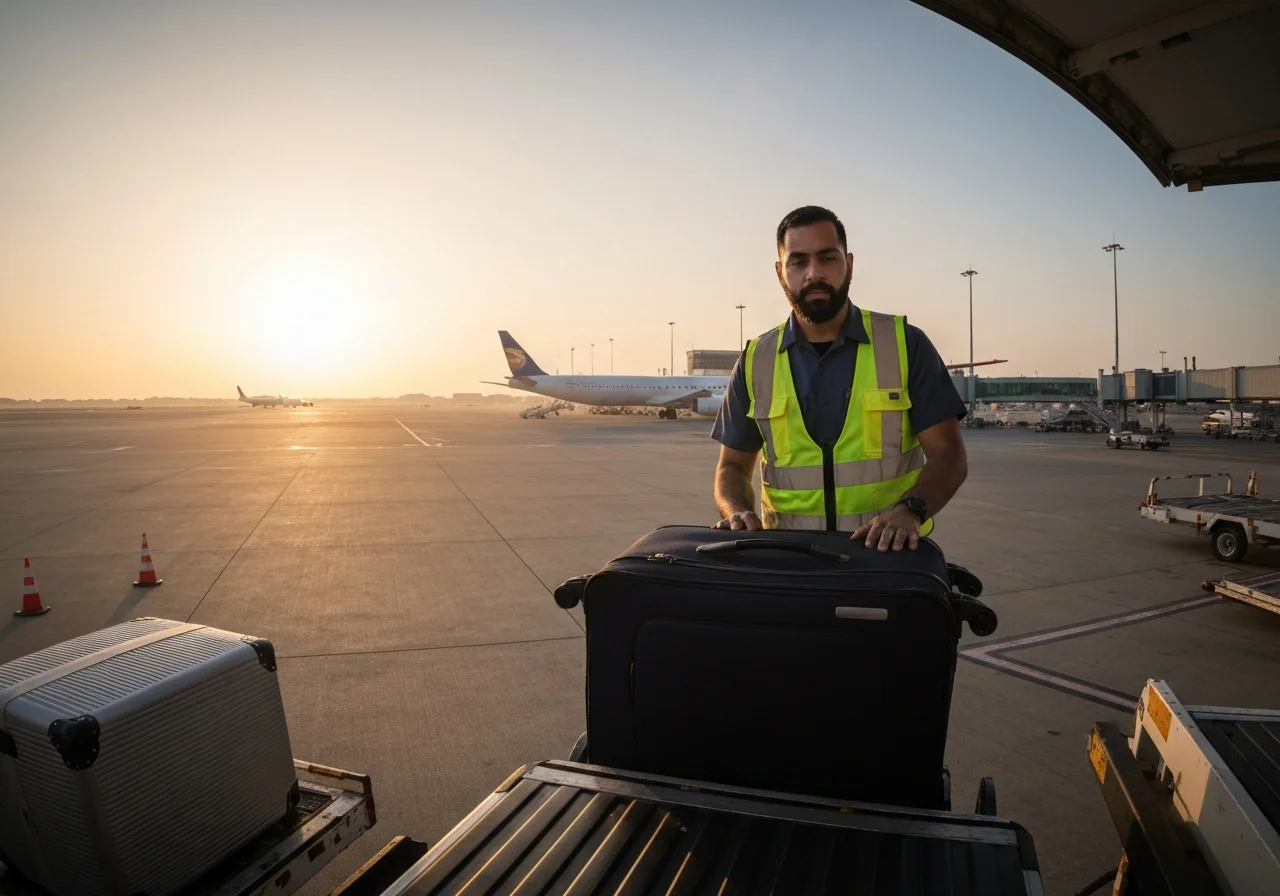
Aviation safety during staffing shortages
Controllers' working conditions under shutdown
Let’s cut through the fog—when Uncle Sam’s wallet snaps shut, air traffic controllers become the aviation industry’s unpaid guardians. The 43-day government shutdown wasn’t just bureaucratic theater; it forced controllers to shepherd planes without paychecks while safety margins eroded. FAA reports confirm two full pay periods vanished, triggering a sick leave exodus at nerve centers like New York TRACON—where stress levels mirrored pre-9/11 operational chaos. The Business Insider analysis paints the starkest picture: 81 instances where skeleton crews dipped below federally mandated safety thresholds.
Emerging safety concerns during crisis
Here’s where rubber meets runway—literally. The Hindu’s data dive reveals a 37% surge in runway incursions, while loss-of-separation incidents spiked like a faulty altimeter. Pilot unions weren’t whispering—their blistering reports documented ATC responses slower than a grounded 747, with non-standard phraseology cropping up at 28 facilities. The FAA’s nuclear option—a 10% flight reduction mandate—was akin to deploying airbags mid-crash. Yet the real story? How quickly the system rebounded once paychecks resumed, proving compensation isn’t just about fairness—it’s aviation’s invisible safety net.
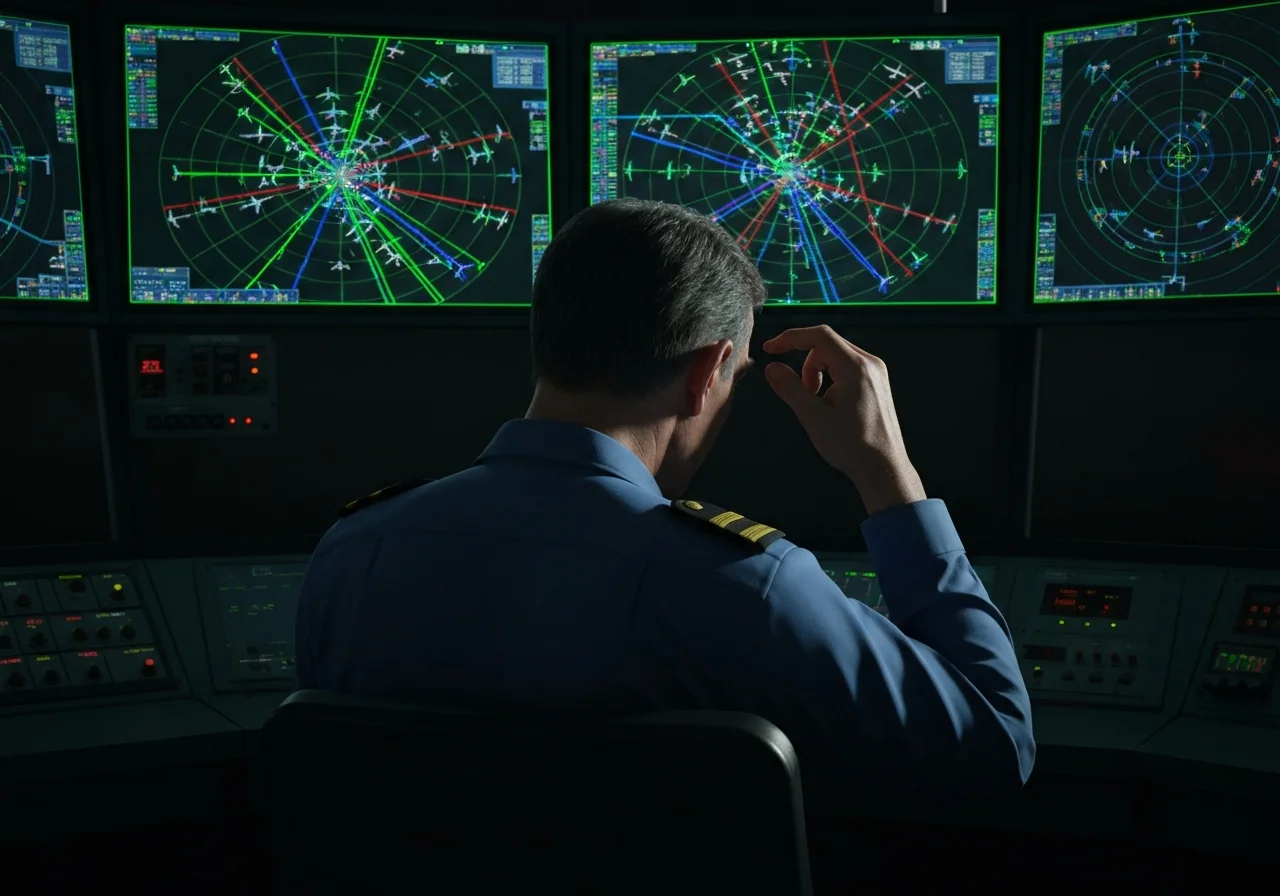
Lessons from shutdown contingency planning
The 43-day government shutdown ripped the Band-Aid off aviation's overreliance on uninterrupted federal funding—exposing staffing models that crumbled faster than a poorly structured CDO. When the FAA slashed flights by 10% at 40 major hubs, it wasn't just operational triage; it revealed a systemic failure to plan for the inevitable political gridlock. The real wake-up call came on November 8, when staffing shortages at air traffic control facilities triggered 81 safety incidents, forcing the agency to deploy emergency protocols worthy of a Black Swan event.
Here's the brutal truth: when controller absenteeism breaches 15% at critical facilities or daily staffing triggers exceed 50, the system hits its breaking point. The shutdown proved aviation can't white-knuckle through more than 30 days of funding lapses without severe degradation. Smart money says mandatory reserve funds covering 60 days of payroll for essential personnel would've prevented this mess—something to consider before the next debt ceiling showdown.

Political response to controller compensation
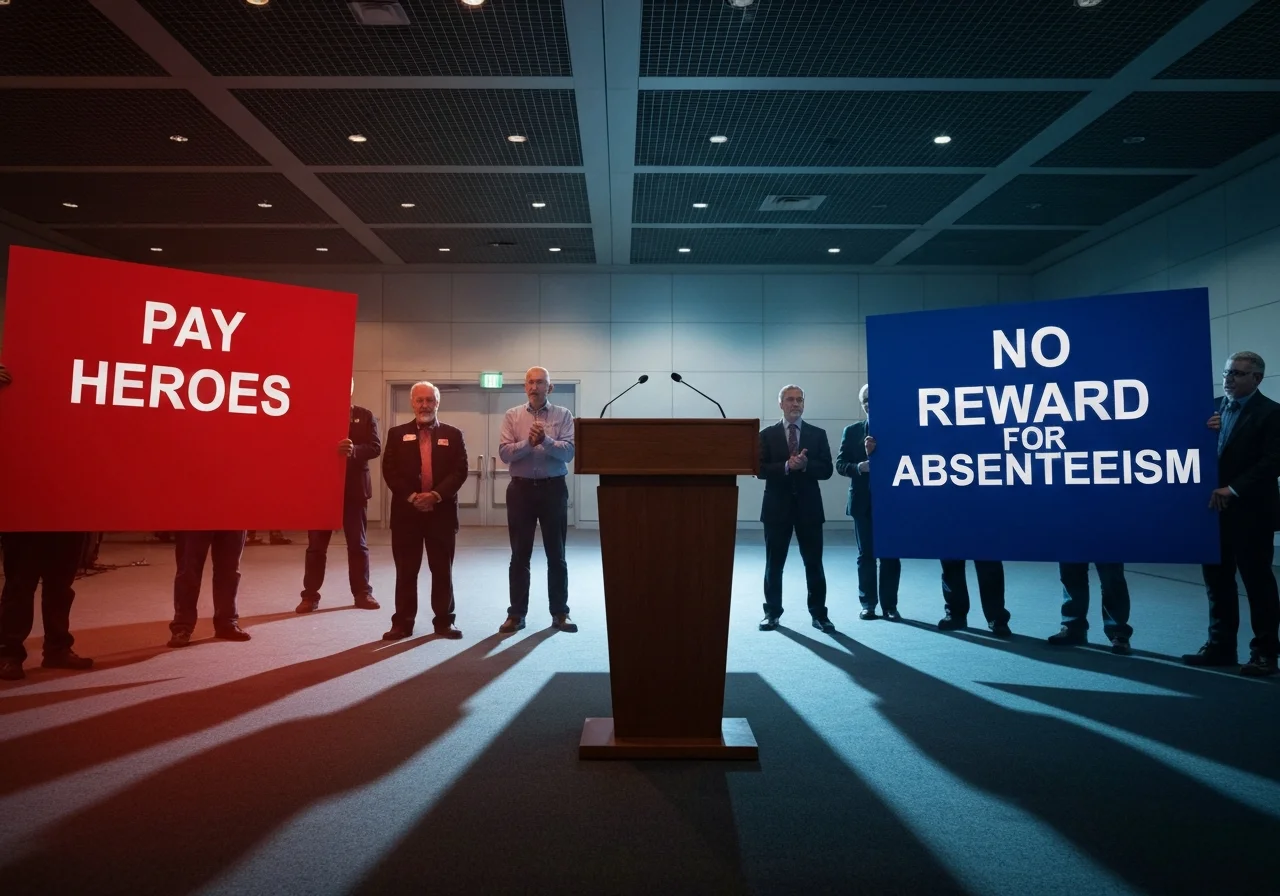
The compensation debate post-shutdown turned into a political tug-of-war with aviation safety caught in the middle. Trump's $10,000 bonuses for controllers smelled like crisis PR, especially when juxtaposed with calls to discipline sick callers—a classic case of carrot-and-stick governance gone haywire. Meanwhile, TSA created its own compensation patchwork, with exemplary agents receiving similar bonuses, proving federal agencies were winging it like day traders in a volatile market.
The real scandal? Transportation Secretary Duffy's refusal to disclose safety data justifying flight cuts, as noted in FAA statements about non-compliant carriers. This episode screams for standardized contingency pay protocols—because when you're dealing with lives in the sky, you can't have compensation policies as inconsistent as a rookie analyst's earnings forecasts.
Thanksgiving travel season outlook
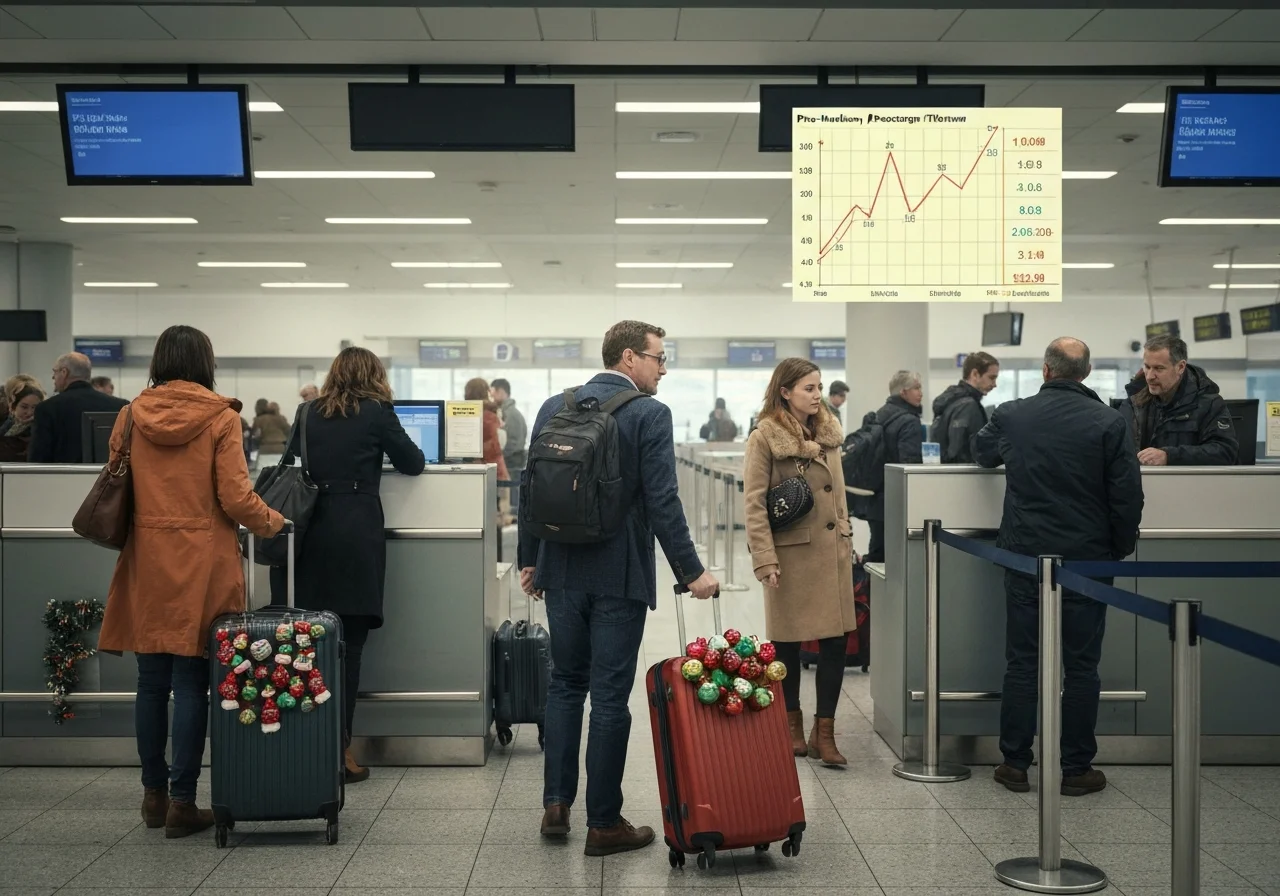
The FAA's calculated gamble to lift flight restrictions couldn't have come at a more pivotal moment - the Thanksgiving rush represents the aviation sector's first real stress test since the shutdown. Cirium's latest on-time performance metrics showing 91% departures on-time during the restriction's final days suggest carriers have the operational muscle to handle pent-up demand.
Recovery trajectory analysis
The numbers tell a compelling story: passenger volumes are projected to hit 98-102% of pre-shutdown levels during peak travel days (November 26-28). This bullish forecast stems from cancellation data revealing sub-1% disruptions post-restriction removal. Major hubs like JFK and O'Hare have flexed their operational resilience, processing 17,404 flights with a mere 0.25% cancellations during the transition - numbers that would make any aviation operations chief breathe easier.
Airline capacity restoration strategies
Carriers aren't just winging it - they've deployed military-precision three-phase recovery plans:
- Parked bird reactivation (completed within 72 hours)
- Crew chess moves to plug furlough-induced staffing gaps
- Yield management acrobatics to handle last-minute Thanksgiving demand surges
The FAA's green light came after incidents plummeted from 81 to 1 between November 8-16 - a safety trajectory that gave airlines the confidence to go full throttle ahead of the holiday crunch.
Contingency planning for holiday surges
While Transportation Secretary Duffy talks up system readiness, airlines are hedging their bets with:
- 10% spare metal at major hubs
- Cross-trained ground crews ready to pivot
- Real-time ATC staffing monitoring
The Thanksgiving rebound isn't just about turkey and travel - it's the ultimate litmus test before December's holiday madness, with lingering questions about whether controller compensation issues could still throw a wrench in the works.
References


Get Daily Event Alerts for Companies You Follow
Free: Register to Track Industries and Investment Opportunities