

Democrats Dominate 2025 Elections: Suburban Shift or GOP Collapse?
Democrats Dominate 2025 Elections: Suburban Shift or GOP Collapse?
AI Summary
Democrats scored major victories in Virginia, New Jersey, and NYC, flipping suburban strongholds and capitalizing on economic anxieties. These wins signal GOP vulnerabilities but may reflect temporary anti-Trump sentiment rather than lasting realignment. Watch suburban districts in 2026.
Keywords
Key State-Level Wins Reshape Political Map
Virginia Governor Race Marks Historic Shift
The Commonwealth just witnessed a textbook case of political arbitrage as Abigail Spanberger's gubernatorial win turned deep-red Virginia into Democratic territory. This former CIA operative executed a flawless suburban pivot, outperforming Kamala Harris' 2024 margins by 16 points in Loudoun County—the political equivalent of finding alpha in a saturated market. Her "pragmatism over partisanship" platform functioned like a value stock in an overheated culture war environment, delivering trifecta control of state government for the first time since 2013.
New Jersey Maintains Democratic Streak
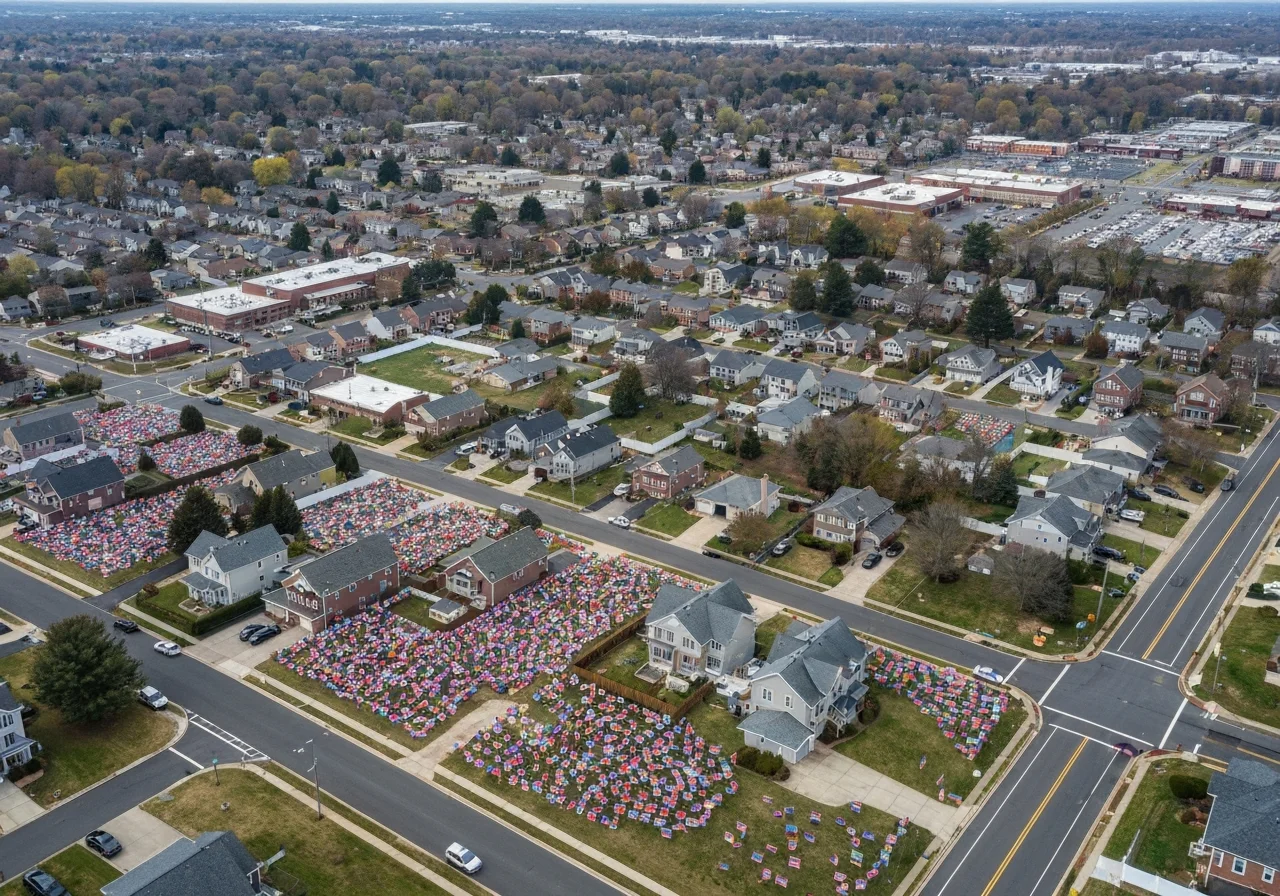
Mikie Sherrill's 11-point victory margin in New Jersey wasn't just a win—it was a compound return on the Democratic Party's long-term investment in economic messaging. The Navy veteran's focus on kitchen table economics functioned like a hedge against GOP culture war plays, neutralizing Republican inroads in Ocean County. This marks the first three-term gubernatorial streak since 1961, creating a policy runway for infrastructure spending and tax reforms that could juice the state's economic multipliers.
New York City Elects Progressive Leadership
Zohran Mamdani's mayoral landslide represents the political equivalent of a disruptive IPO, with record-breaking turnout from young voters and immigrant communities. His rent stabilization and wealth tax proposals—though viewed as high-beta plays by establishment Democrats—captured the city's shifting risk appetite. The victory creates an interesting stress test for progressive policies in America's largest municipal laboratory, with potential ripple effects for urban political strategies nationwide.
Strategic Implications for 2026 Midterms
Suburban Reclamation Signals Electoral Vulnerability
The Democratic resurgence in suburban strongholds like Loudoun County, Virginia—where Abigail Spanberger outperformed Kamala Harris' 2024 margins by 16 points—reveals potent vulnerabilities in the GOP's electoral coalition. Exit polls from Politico's analysis show education policy and affordability concerns drove this realignment, mirroring the 2018 blue wave dynamics. Spanberger's 34-point landslide in Prince William County, a bellwether D.C. exurb, suggests Democrats could flip GOP-held House districts like VA-02 (Jen Kiggans) and VA-07 (Rob Wittman) in 2026.
| State | Democratic Margin Shift | Key Issue Driver | GOP Stronghold Cracked | Potential 2026 Seats |
|---|---|---|---|---|
| Virginia | +12.4% | Education | Loudoun County | 3 House seats |
| New Jersey | +8.7% | Affordability | Bergen County | 1 Senate seat |
| Pennsylvania | +5.9% | Judicial Policy | Bucks County | 2 State Senate seats |
Down-Ballot Gains Break GOP Strongholds
Democrats achieved structural breakthroughs in traditionally Republican territories, flipping Georgia's Public Service Commission for the first time since 2000—a body controlling utility rates statewide. As reported by Newsweek, this directly counters Trump's energy cost policies that disproportionately impacted Southern households. In Mississippi, court-ordered redistricting enabled Democrats to break the GOP supermajority by gaining two Senate seats, creating veto leverage for Democratic Governor Brandon Presley. These gains, coupled with Pennsylvania Supreme Court retentions preserving a 5-2 liberal majority, safeguard progressive policies on voting rights and abortion access through 2030.
Economic Messaging Dominates Voter Concerns
Affordability Crisis Unites Diverse Electorate
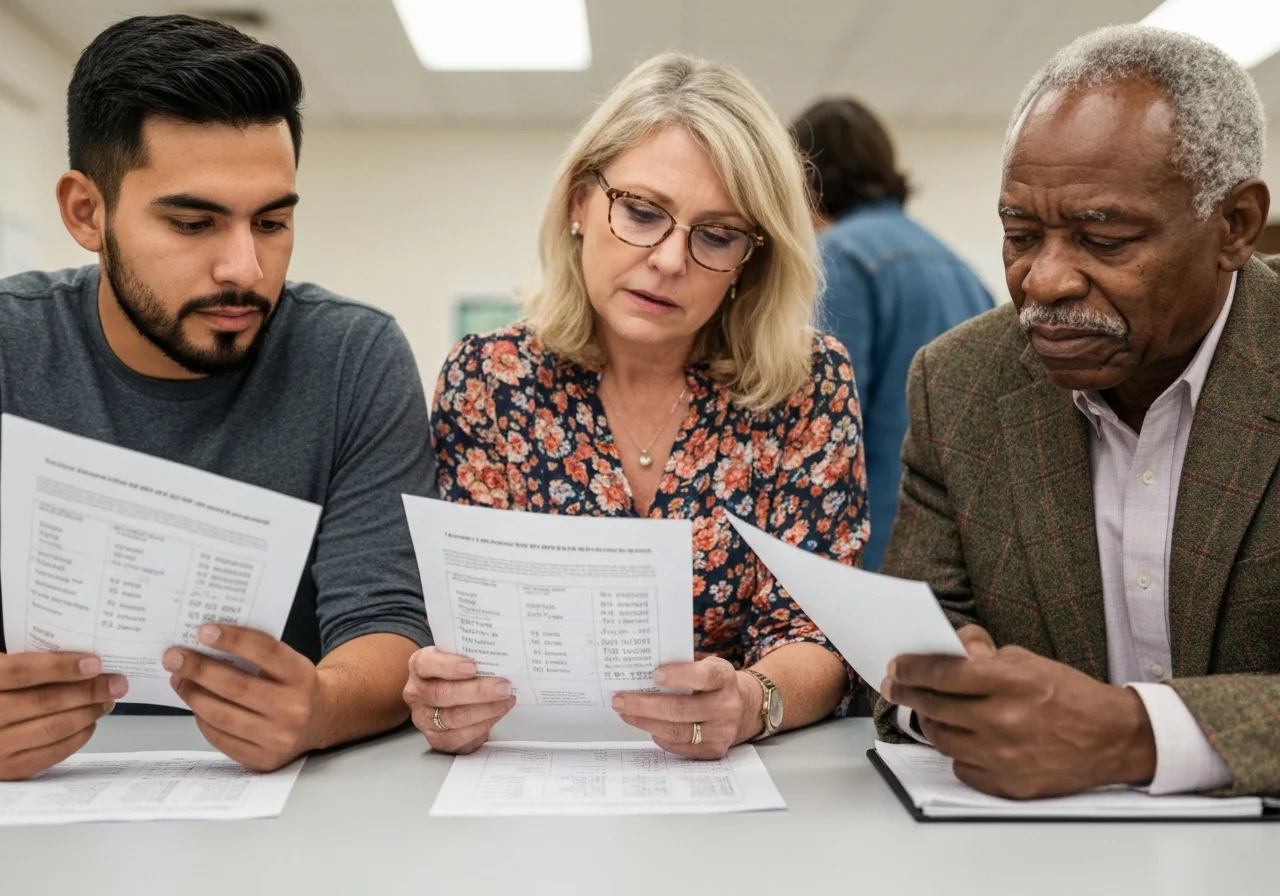
The 2025 election cycle proved what political operatives have whispered for years—kitchen-table economics trump ideology when wallets get squeezed. Exit polling revealed 58% of voters ranked living expenses as their top concern, creating strange bedfellows between progressive firebrands and moderate pragmatists. Take Abigail Spanberger's suburban tax relief pitch versus Zohran Mamdani's Manhattan wealth tax proposal—both resonated because they addressed the same cost-of-living pressures through locally tailored lenses. The Guardian's post-mortem highlighted how Spanberger's 16-point exurb surge wasn't about partisan loyalty, but her laser focus on Virginia's childcare-to-mortgage ratio crisis.
Contrast With Trump Economic Record
Here's where the rubber met the road—63% of Virginians directly blamed Trump-era tariffs for their shrinking disposable income, per ABC News data. Democrats weaponized this wealth disparity backlash with surgical precision, from Mikie Sherrill's New Jersey infrastructure critiques to Mamdani's corporate tax loophole exposés. Politico's breakdown of Sherrill's double-digit win revealed how suburbanites punished GOP candidates still tethered to Trump's trickle-down playbook. The kicker? Young voters turned out in record numbers not for abstract ideals, but concrete rent control promises—proving economic anxiety cuts across generational divides.
Progressive-Moderate Tension Persists
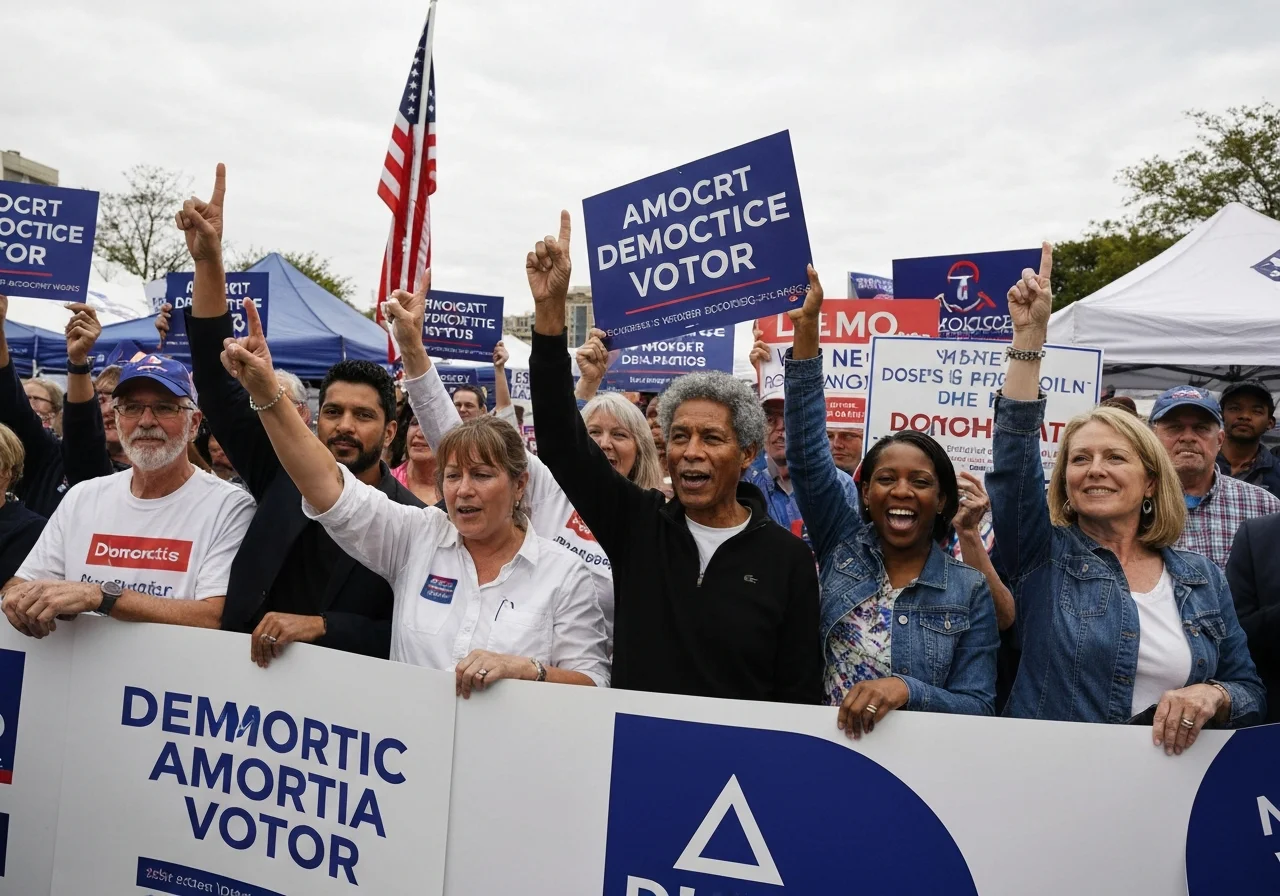
The Democratic Party’s post-election landscape reveals a classic case of "portfolio diversification"—balancing high-risk progressive assets with stable moderate holdings. Representative Alexandria Ocasio-Cortez’s "multiple faces" strategy mirrors a hedge fund managing divergent positions, where democratic socialist Zohran Mamdani’s New York mayoral win coexists with Abigail Spanberger and Mikie Sherrill’s centrist gubernatorial victories. The policy divergences—wealth taxes versus bipartisan infrastructure spending—echo the GAAP/IFRS divide in accounting standards: same balance sheet, different methodologies. Yet, unified anti-Trump messaging acts as the party’s liquidity cushion, providing cohesion despite internal volatility.
Historical Precedents and Cautionary Notes
Strategists are treating the 2017-2018 parallels like an overbought stock—ripe for correction. The DNC’s internal polling gap (11-point favorability lag) suggests the party’s brand suffers from negative carry, where short-term wins don’t offset long-term liabilities. California’s redistricting advantage—a potential five-seat dividend—faces legal headwinds akin to regulatory scrutiny on merger arbitrage. As Virginia strategist Christina Freundlich notes, these gains reflect "Trump-era volatility" rather than structural realignment, much like 2018’s ephemeral suburban rally that corrected by 2022. Exit polling confirms the fragility: 68% of Virginians acted on economic discontent, not party loyalty—a classic value trap scenario.
Source Material: Politico, ABC News
Electoral Reckoning for Trump Era Politics
Suburban realignment challenges GOP coalition math
The political equivalent of a balance sheet recalibration hit the GOP hard in 2025, with suburban precincts behaving like volatile assets suddenly shifting portfolios. Virginia’s Loudoun County—once a Republican stronghold—saw Democrat Abigail Spanberger outperform Kamala Harris’ 2024 margin by 16 percentage points, per Politico’s analysis. This wasn’t just a blip; it mirrored the 2018 blue wave where education policy and economic anxieties drove suburbanites toward Democrats like yield-hungry investors flocking to stable bonds. Prince William County’s 34-point Democratic swing—nearly double Harris’ 2024 performance—signaled a structural reallocation in voter behavior.
The Guardian’s report quotes GOP strategists admitting their coalition math is crumbling. The anti-Trump sentiment combined with Democratic messaging on abortion rights and school funding created a perfect electoral storm. These suburbs had briefly trended red during Biden’s presidency but reverted sharply under Trump’s second act—proving political capital can depreciate faster than meme stocks.
Off-year elections test policy backlash intensity
The 2025 elections became a live stress test for Trump’s second-term policies, and the results read like a margin call. ABC News exit polling showed 58% of voters ranked cost of living as their top concern—a direct indictment of Trump’s tariff policies and inflationary mismanagement. Democratic candidates in Virginia, New Jersey, and New York City all ran on affordability platforms, though their policy prescriptions varied like divergent investment theses.
Cultural overreach proved equally toxic. As Newsweek documented, Winsome Earle-Sears’ Trump-aligned campaign tactics bombed in suburbs that once tolerated moderate Republicans. The takeaway? Without Trump on the ballot himself, his policies become electoral liabilities—akin to overleveraged assets in a rising-rate environment.
Democratic bench strengthens for future cycles
The 2025 victories weren’t just wins—they were strategic acquisitions for the Democratic talent pipeline. Spanberger’s national security credentials and Mikie Sherrill’s military service created high-potential profiles, while Zohran Mamdani’s progressive coalition-building in New York showcased the party’s ideological diversification. As Barack Obama noted, these results delivered "strong, forward-looking leaders" after years of organizational drift.
Down-ballot gains compounded the advantage. Georgia flipped Public Service Commission seats for the first time since 2000, and Mississippi cracked the GOP’s legislative supermajority—small-cap victories with outsized portfolio implications. The Guardian’s analysis confirms these wins built critical infrastructure in red states, while Pennsylvania’s Supreme Court retention preserved a progressive judicial majority—the equivalent of locking in favorable terms for future policy battles.
References


Get Daily Event Alerts for Companies You Follow
Free: Register to Track Industries and Investment Opportunities