

Can Cebu Rebuild? How Deadly Quakes Expose Philippines' Seismic Weaknesses
Can Cebu Rebuild? How Deadly Quakes Expose Philippines' Seismic Weaknesses
AI Summary
The 6.9-magnitude Cebu earthquake killed 69, primarily in non-engineered structures, while exposing critical infrastructure gaps. Shallow fault mechanics amplified destruction, demanding Japan-style building codes and community drills for future resilience.
Keywords
Assessing the seismic impact
Death toll and infrastructure damage
The 6.9-magnitude quake that rocked Cebu province delivered a brutal reminder of nature's fury, with Bogo City bearing the brunt—35 of the 69 confirmed fatalities occurred here alone. Disaster response teams described a grim scene where 90% of casualties stemmed from collapsed non-engineered structures, essentially turning these buildings into death traps. The Archdiocesan Shrine of Santa Rosa de Lima's partial collapse symbolized the cultural toll, while nightclub collapses revealed the deadly convergence of poor construction and high-occupancy venues.
Cebu-earthquake-damage-breakdown
| Municipality | Fatalities | Residential Collapses | Commercial Collapses | Critical Infrastructure Damage |
|---|---|---|---|---|
| Bogo City | 35 | 120+ | 18 | 5 bridges, 3 roads |
| Medellin | 12 | 45 | 7 | 2 water systems |
| San Remigio | 5 | 30 | 4 | 1 coastal highway |
| Daanbantayan | 8 | 25 | 3 | 1 church, 2 schools |
The shallow depth acted like an underground hammer, maximizing ground acceleration to PHIVOLCS Intensity VI—enough to turn marginal structures into rubble within seconds.
Geological characteristics
This wasn't your typical deep-focus tremor—the 3-mile undersea fault rupture near the Central Philippine Fault Zone packed the seismic equivalent of 32 kilotons of TNT. Philippine Institute of Volcanology and Seismology instruments recorded over 600 aftershocks in 24 hours, creating a nerve-wracking scenario for rescue teams. The dip-slip mechanism triggered transient tsunami alerts along Cebu and Leyte coastlines, though thankfully no significant waves materialized.
Seismologists noted the quake's energy dispersion followed textbook shallow-fault behavior: intense vertical ground motion that toppled structures, followed by lateral spreading that damaged roads and bridges. The PHIVOLCS scale readings showed peak ground acceleration exceeding 0.4g—enough to send unsecured objects flying like projectiles. This event underscored the Philippines' precarious position along the Pacific Ring of Fire, where tectonic tensions regularly translate into catastrophic surface impacts.
Emergency response challenges
Rescue operations under duress
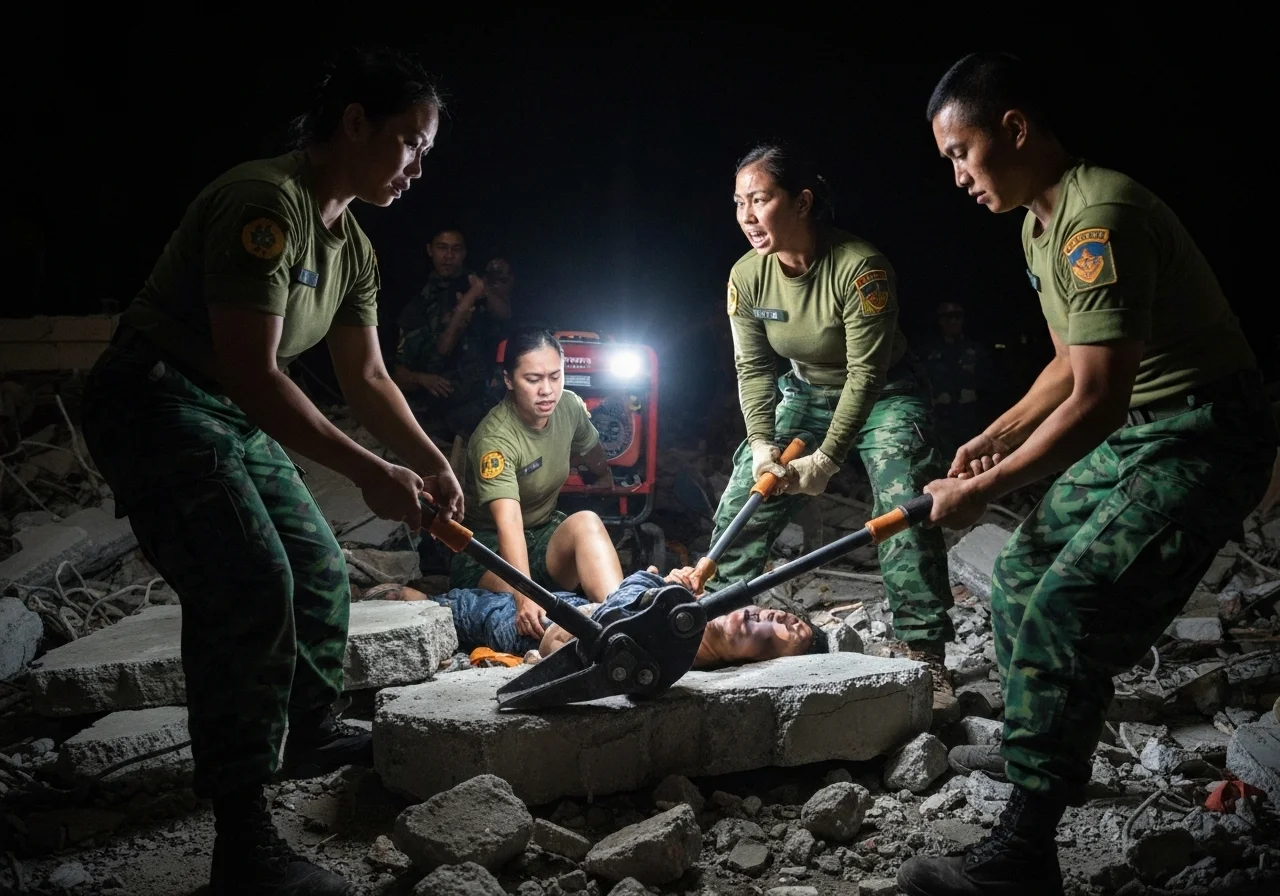
The boots-on-ground reality paints a grim picture—Army and police teams are playing a high-stakes game of beat-the-clock with sniffer dogs combing through pancaked structures. That shallow 3-mile seismic gut punch turned buildings into death traps, while landslides playing gatekeeper to mountain villages force rescuers to haul heavy equipment through obstacle courses of debris. Disaster-mitigation officer Glenn Ursal's on-the-ground intel hits hard—"hazards" here means unstable rubble and aftershocks turning rescue ops into a deadly shell game. The tragic loss of three Coast Guard personnel in San Remigio underscores this isn't your standard disaster drill.
Humanitarian crisis management
Hospitals in Bogo are running a MASH unit triage nightmare—Cebu Governor Pamela Baricuatro's reports show ERs drowning in trauma cases while morgues overflow. San Remigio's state of calamity declaration kicks emergency procurement into overdrive, but here's the kicker—water systems are shot, turning logistics into a Hail Mary pass. The national government's weighing international aid like a trader assessing risk—Civil Defense's Bernardo Alejandro isn't wrong about that "golden hour" window, but power blackouts are making this a blindfolded rescue mission.
Regional vulnerability factors
Compounding disaster risks
The 6.9-magnitude quake delivered a brutal one-two punch to Cebu province, striking mere days after a tropical storm had already left the region reeling. Disaster officials confirmed the storm had killed 27 and crippled power grids—infrastructure damage that later became rescue teams' worst nightmare when the earthquake hit. This textbook example of cascading disasters saw emergency responses grind to a halt as landslides buried critical roads and cell towers toppled. The shallow 3-mile (5 km) depth acted like a geological amplifier, turning rain-saturated soils into liquefaction traps—particularly in Bogo's outlying villages where the earth literally moved beneath responders' feet.

Preparedness gaps exposed
Here's the hard truth: 90% of fatalities occurred in structures that wouldn't pass a high school physics exam, let alone seismic codes. The collapse of a Bogo fire station—yes, the very facility meant to save lives—epitomizes the systemic underinvestment in disaster resilience. While the Philippines sits squarely on the Pacific Ring of Fire, many provincial buildings still use unreinforced masonry that crumbles like stale bread during tremors. The dual failure of San Remigio's water systems and Cebu's power grid wasn't just bad luck—it's what happens when critical infrastructure lacks redundant systems. Heritage sites like the Archdiocesan Shrine paid the price for preservation strategies that ignored modern engineering realities.
Reconstruction cost analysis
Let’s cut through the noise—this disaster’s financial footprint is staggering. The $120-150 million price tag isn’t just about bricks and mortar; it’s a brutal reminder of how underprepared infrastructure amplifies economic shocks. Heritage sites like the Archdiocesan Shrine of Santa Rosa de Lima? Gone. But the real kicker? 90% of fatalities occurred in flimsy residential builds, per disaster assessment reports. And just when you’d think the worst was over, tropical storm recovery drained coffers further—San Remigio’s water systems alone need $8-12 million. Pro tip: insurers will be watching retrofit investments like hawks.
Multi-hazard preparedness gaps
Here’s the ugly truth: early warnings failed spectacularly. Thousands ignored tsunami alerts due to sheer distrust, says eyewitness accounts. Drill participation? A pathetic 22%. The real system crash came when power grids flatlined for 14 hours, crippling rescue coordination. This wasn’t just bad luck—it was institutional negligence meeting geological fury head-on.
Risk reduction strategies
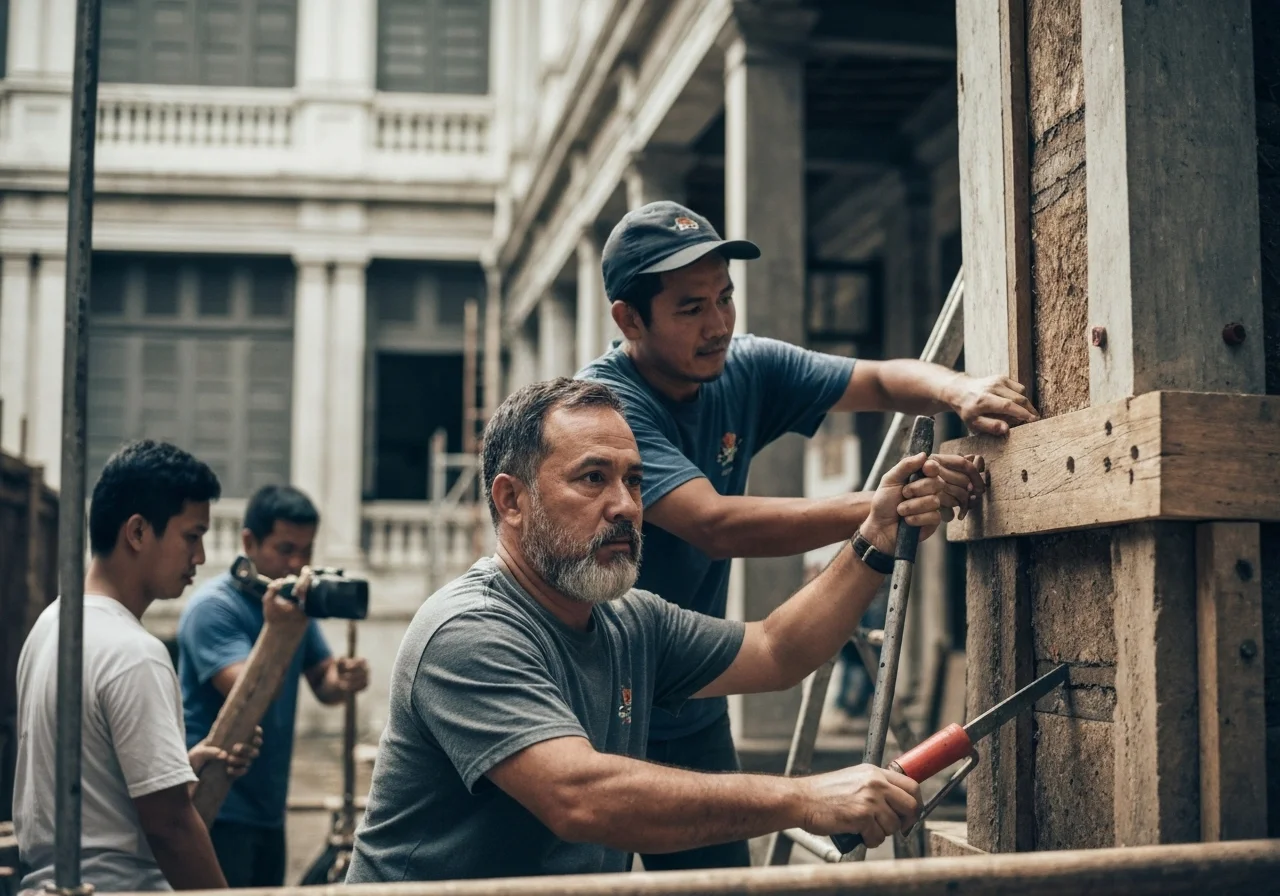
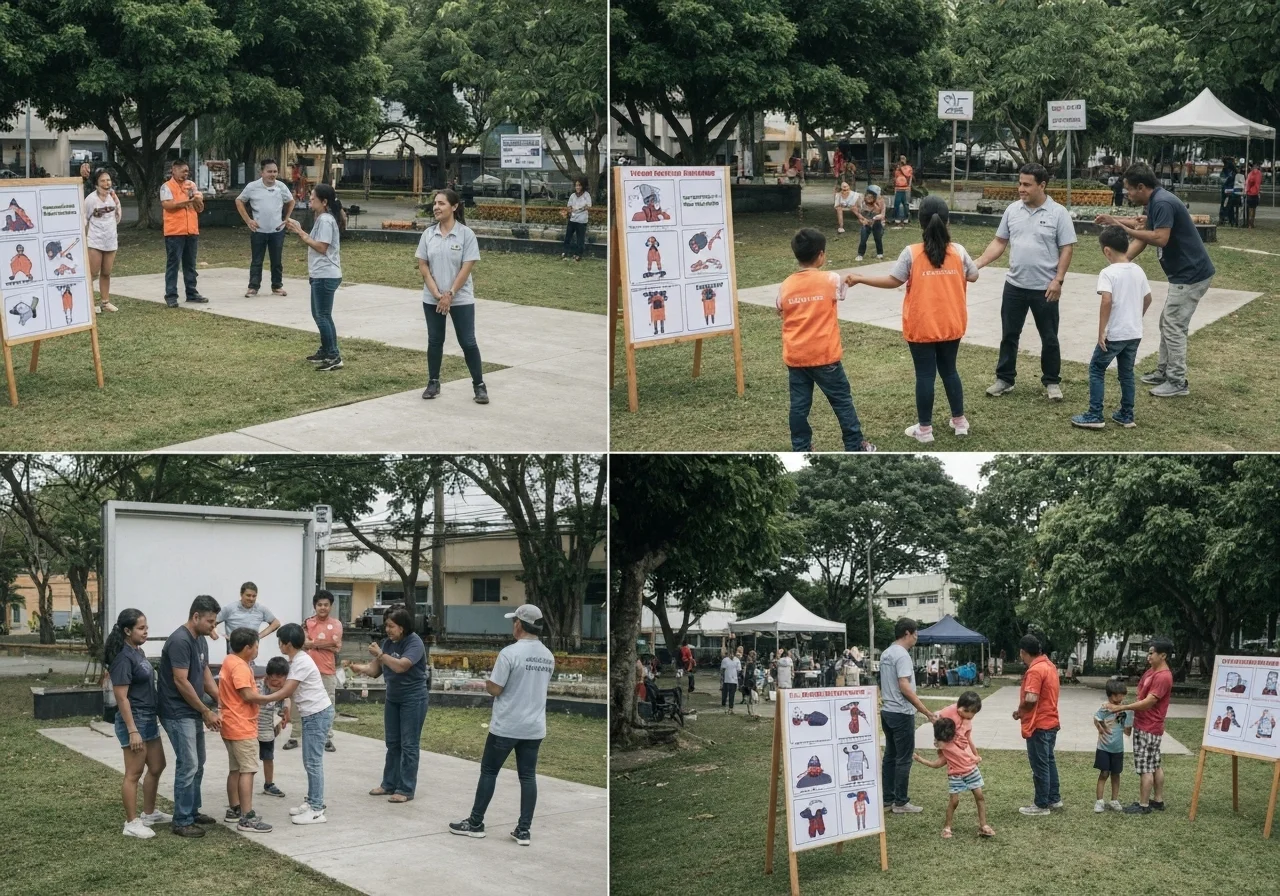
Time to steal pages from playbooks that work. Japan-style building codes? Non-negotiable for public structures, starting with 200 high-risk schools. Community training needs a reboot too—think Chile’s "drop-cover-hold" drills, not half-hearted seminars. The Philippine Institute of Volcanology isn’t messing around either, deploying 50 seismic stations along the killer fault line. As successful models prove, preparedness pays dividends when the ground shakes.
References


Get Daily Event Alerts for Companies You Follow
Free: Register to Track Industries and Investment Opportunities