

Why Do Temple Stampedes Keep Happening? Can India Fix Its Crowd Control Crisis?
Why Do Temple Stampedes Keep Happening? Can India Fix Its Crowd Control Crisis?
AI Summary
The Andhra temple stampede killed 12+ due to broken barriers and shared entry-exit points, revealing systemic negligence in religious crowd management that demands infrastructure upgrades and strict enforcement.
Keywords
Investigating the stampede's root causes
Structural failures in crowd management
The temple tragedy unfolded like a perfect storm of infrastructure neglect—what crowd control experts call a "pressure cooker scenario." That collapsed iron grille wasn't just a broken barrier; it became the first domino in a deadly chain reaction. When thousands of devotees converged during Ekadashi celebrations, the temple's identical entry-exit points transformed into fatal choke points.
Eyewitness footage reveals the horrifying mechanics of crowd compression: worshippers trapped like sardines between railings and unfinished walls, their desperate gasps for air drowned in the chaos. This wasn't mere bad luck—it was a textbook case of negligent space planning meeting explosive devotional fervor.
Regulatory lapses at private temple
Here's where the plot thickens—this shrine operated in a regulatory blind spot, flying under the radar of Andhra's endowments department. No registration, no safety approvals, just a freewheeling approach to crowd management that would make any risk manager shudder.
The compliance gaps read like a "what not to do" manual for religious venues:
| Regulatory Violations | Infrastructure Deficiencies |
|---|---|
| Unregistered with state | Single entry/exit point |
| No crowd management plan | Broken queue control barriers |
| Unapproved construction zone | Inadequate emergency exits |
This regulatory vacuum mirrors last year's deadly surge at a North Indian shrine—proof that when oversight takes a backseat to devotion, tragedy becomes inevitable. The temple's operators played fast and loose with safety protocols, and devotees paid the ultimate price.
Human toll and emergency response
Fatalities and injury patterns
The Swamy Venkateswara Temple stampede revealed sobering crowd dynamics—where devotional fervor collided with tragic physics. Senior official Swapnil Dinkar Pundkar's casualty report reads like a demographic risk assessment: eight women and one child killed, mirroring the gender imbalance typical of Hindu temple crowds. Initial reports underestimated the toll as two more devotees later succumbed—a grim reminder of trauma's delayed financial and human costs. Local medical facilities became ground zero for triage economics: 16 hospitalized injuries and 20 shock treatment cases stretched resources thin. This wasn't just a tragedy; it was a stress test for regional emergency response systems, with women disproportionately bearing the brunt—a pattern we've seen from Mina to Mumbai.
Medical crisis management
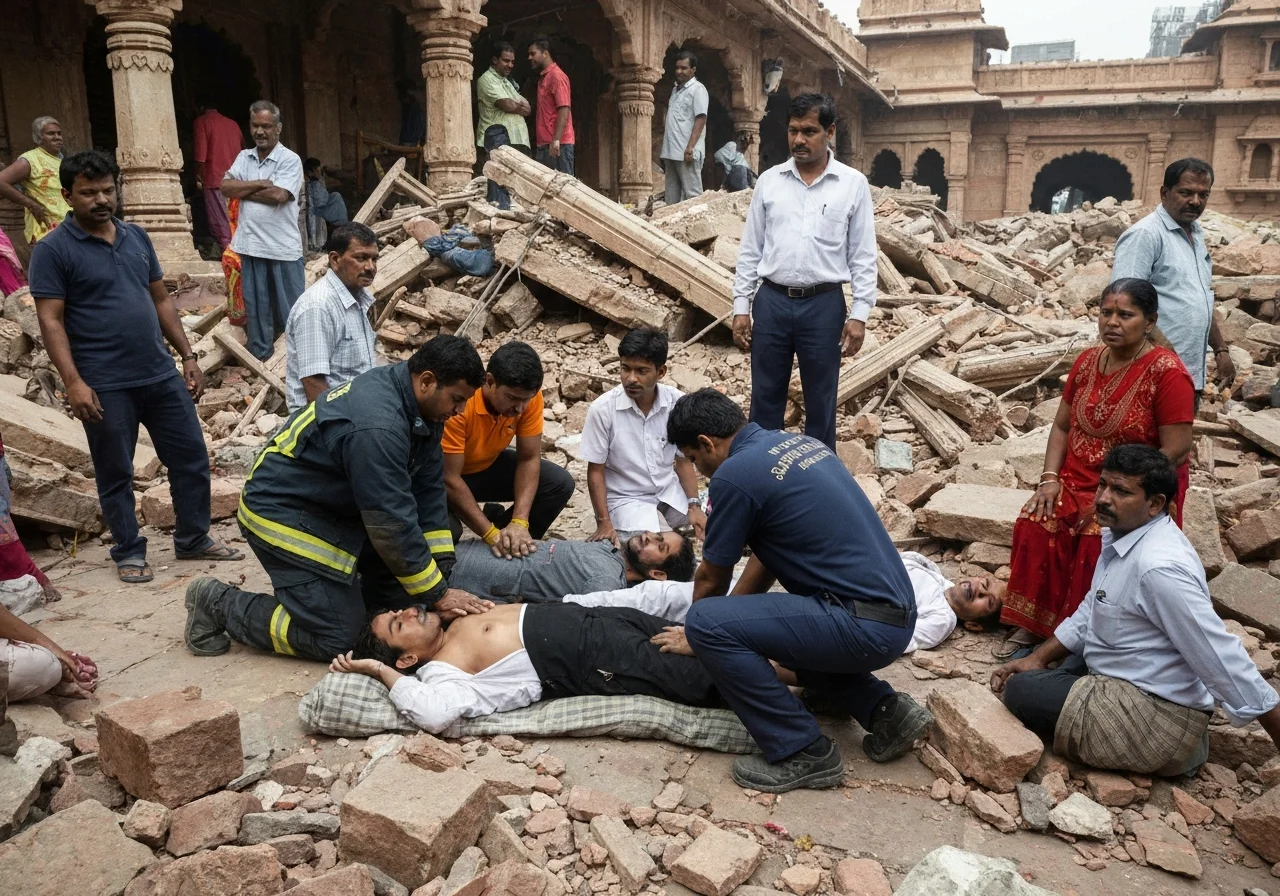
Chaos has its own balance sheet, and the temple's aftermath showed both human resilience and systemic fragility. Bystanders-turned-first-responders performed impromptu CPR—a stopgap measure captured in viral footage that lays bare the triage calculus hospitals faced. Kasibugga's medical teams battled compound liabilities: crush injuries demanding orthopedic intervention while psychological trauma cases clogged mental health resources. Two life-threatening conditions triggered priority protocols, exposing how mass casualty events overwhelm rural healthcare's operating leverage. The real takeaway? Religious sites remain the subprime mortgages of public safety—high-risk, under-regulated, and prone to cascading failure when stress-tested.
Compensation and condolence measures
The government’s swift financial response—₹2 lakh ex-gratia for bereaved families via the PMNRF and ₹50,000 for the injured—follows India’s disaster relief playbook but exposes gaps in systemic safeguards. PM Modi’s "pained" statement (source) and CM Naidu’s "heartbreaking" social media post reveal the reactive nature of pilgrimage safety nets.
Here’s the rub: while immediate cash injections provide Band-Aid relief, the absence of institutionalized pilgrimage insurance—or even basic crowd density tracking—leaves devotees financially exposed. The compensation framework essentially monetizes tragedy rather than preventing it.

Calls for accountability
Opposition leaders like YS Jagan Mohan Reddy aren’t wrong to blast the "utter negligence" (source)—this was a regulatory car crash waiting to happen. The temple’s unregistered status and lack of emergency exits (shared entry/exit points? Seriously?) would make any risk manager’s hair stand on end.
The ordered probe into NDMA guideline violations is textbook crisis PR, but let’s call it: India’s pilgrimage economy runs on faith-based compliance, not safety audits. Until temples face real penalties for skipping crowd simulations or bypassing infrastructure norms, we’re just counting bodies between disasters.
Recurring risks at religious gatherings
Historical pattern of temple disasters
The deadly stampede at Andhra Pradesh's Venkateswara Swamy Temple isn't an isolated incident—it's part of a disturbing trend of crowd disasters at Indian religious sites. Just eight months prior in July 2023, a similar crowd surge at a North Indian temple claimed six lives, exposing systemic infrastructure failures during peak pilgrimages. These recurring tragedies reveal three critical vulnerabilities: flimsy barricades, absent crowd monitoring, and chaotic emergency responses. The July 2023 incident involved collapsing temporary structures, mirroring the broken iron grille that triggered the Andhra Pradesh catastrophe.
<div data-table-slug="india-temple-disasters">| Location | Year | Casualties | Trigger Factor |
|---|---|---|---|
| North India | 2023 | 6 | Temporary structure collapse |
| Andhra Pradesh | 2024 | 12+ | Broken crowd control barrier |
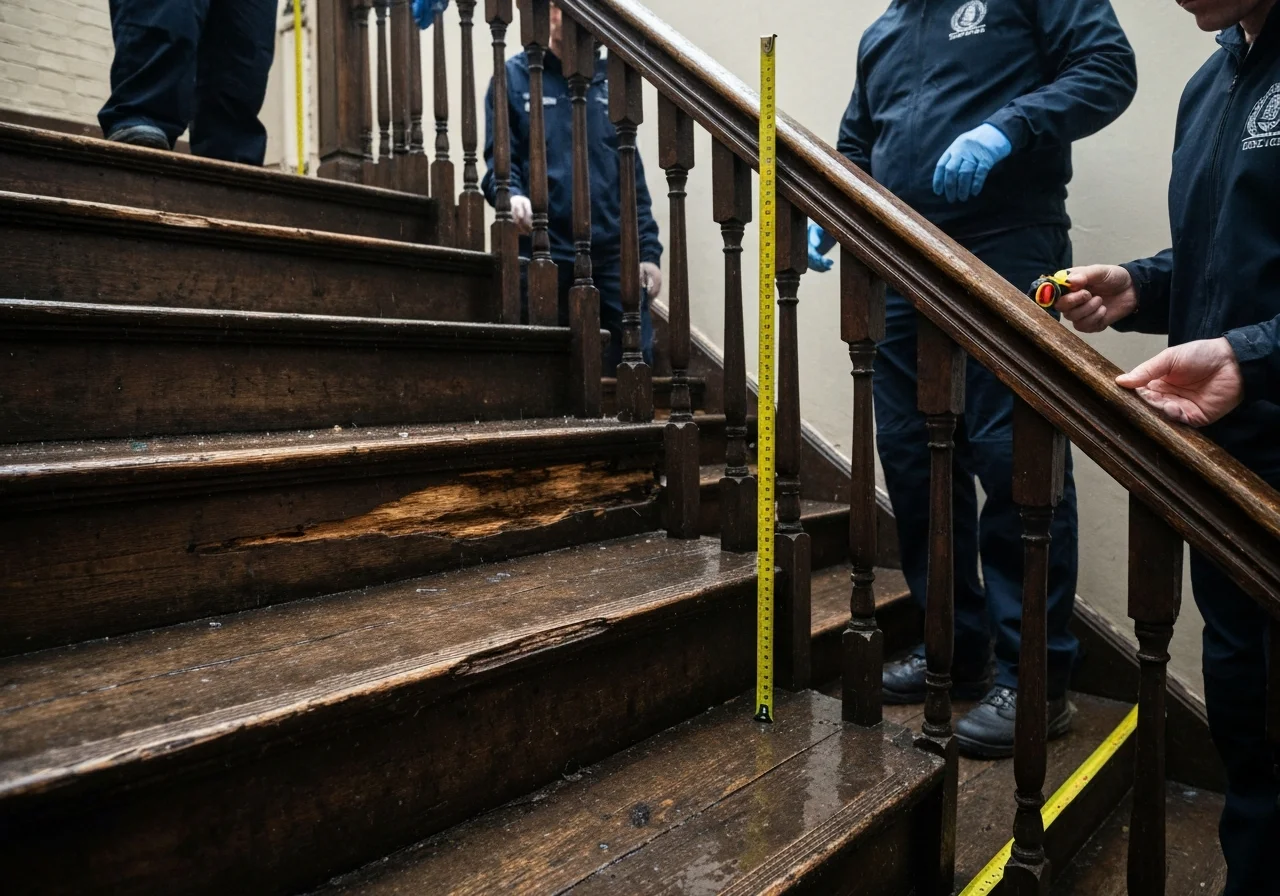
| Madhya Pradesh | 2022 | 8 | Narrow staircase congestion |
Crowd control policy challenges
Religious gatherings in India face a fundamental clash between spiritual fervor and safety protocols. The Andhra stampede footage shows devotees crushing against railings, demonstrating how ecstatic devotion can override survival instincts. Three glaring policy gaps persist: no centralized pilgrimage capacity database, inconsistent barricade standards, and a shortage of trained crowd managers at rural temples. The shared entry/exit point design flaw in Andhra Pradesh exemplifies how architectural negligence amplifies behavioral risks. Without mandatory crowd flow simulations, temples remain sitting ducks for future tragedies during major festivals.
Systemic reforms for pilgrimage safety
Infrastructure modernization requirements
The Andhra temple tragedy screams "infrastructure deficit" louder than any audit report could. Let's break this down like a forensic accountant examining toxic assets:
-
Crowd flow simulations aren't just nice-to-haves - they're the GAAP of pilgrimage safety. That broken iron grille at Venkateswara Swamy Temple? Textbook single point of failure that computational modeling would've red-flagged faster than a rogue trading algorithm.
-
Evacuation routes need the same rigor as Basel III operational risk buffers:
- Radial pathways = diversified investment portfolio
- Breakaway railings = circuit breakers for human liquidity crunches
- IoT density sensors = real-time risk dashboards
The under-construction death trap where devotees got wedged between walls violates IFRS 9's physical asset safeguards more blatantly than a cooked balance sheet.

Regulatory enforcement mechanisms
Here's the brutal truth - unregistered temples operate like shadow banking entities, dodging oversight until disaster strikes. Kasibugga's Venkateswara Swamy Temple proves registration gaps aren't just paperwork lapses, they're body counts waiting to happen.
We need SEC-style teeth in enforcement:
| Violation Type | First Offense | Repeat Offense |
|---|---|---|
| Unregistered Operation | ₹5 lakh fine | 90-day closure |
| Exceeding Capacity | ₹2 lakh/100 persons | Pilgrimage ban |
| Unapproved Construction | Demolition order | Criminal charges |
The July 2023 northern India incident wasn't an outlier - it was a systemic failure coupon payment. Until we treat sacred sites like critical infrastructure with auditable safety reserves, these tragedies will compound like bad debt.
References


Get Daily Event Alerts for Companies You Follow
Free: Register to Track Industries and Investment Opportunities