

Trade War Fallout: How Do Aluminum Tariffs Reshape US-Canada Relations?
Trade War Fallout: How Do Aluminum Tariffs Reshape US-Canada Relations?
AI Summary
The 50% Section 232 tariffs on Canadian aluminum have stabilized U.S. smelters but raised costs for manufacturers. OECD data reveals Canada's 18-22% subsidy edge, while USMCA tensions escalate. Strategic reshoring and diplomatic strains highlight long-term trade policy risks.
Keywords
Assessing the 50% Aluminum Tariff Impact
Tariff Rationale and Domestic Industry Protection
The American Primary Aluminum Association (APAA) isn’t mincing words—they’re calling President Trump’s 50% Section 232 tariffs a lifeline for U.S. smelters drowning in subsidized Canadian imports. According to OECD data, Canada’s energy and export subsidies hand its producers an 18-22% cost edge, a distortion the WTO’s Article XIX explicitly allows addressing. The proof? Five U.S. plants teetering at 50% capacity pre-2025 have stabilized since the tariffs hit. But here’s the rub: USMCA’s dispute mechanisms are now a legal battleground, with critics crying foul over potential violations.
| Subsidy Type | Canada (2023-2025 avg) | United States |
|---|---|---|
| Energy Cost Subsidies | $0.023/kWh | $0.005/kWh |
| Export Tax Credits | 12% of revenue | 0% |
| Infrastructure Grants | $1.2B annually | $380M |
Economic Consequences of Canadian Subsidies
Quebec’s sweetheart power deal with Aluminerie Alouette—CAD$0.03/kWh versus the U.S. average of $0.05—reads like a horror story for American smelters. The APAA report tallies the carnage: three plants shuttered (Hawesville, Wenatchee, Mt. Holly) and 2,300 jobs vaporized by 2024. Fast forward to today, and Century Aluminum’s Hawesville restart proves tariffs can resuscitate primary producers—but downstream manufacturers are choking on 30% higher input costs. This isn’t just policy; it’s a high-stakes tug-of-war between smelters and fabricators.
Diplomatic Dynamics in Trump-Carney Talks
Contrasting Public Statements on Trade Progress
The Oval Office became an arena for clashing trade philosophies during Prime Minister Carney's October 2025 visit. President Trump doubled down on his "natural conflict" narrative, framing US-Canada relations as inherently adversarial—a stark contrast to Carney's diplomatic emphasis on "more areas where we are stronger together". This rhetorical divide exposed fundamental fault lines: Trump's tariff-first approach versus Canada's preference for collaborative solutions ahead of the 2026 USMCA review.
Body language told its own story. The South China Morning Post captured Trump's theatrical praise of Carney as a "great leader"—a classic pressure tactic that trade veterans recognize as pre-negotiation posturing. Meanwhile, Carney's restrained demeanor signaled Canada's quiet diplomacy strategy, a deliberate counter to Trump's public brinkmanship.
USMCA Renegotiation Stakes for Canada
With the 2026 USMCA review looming, Carney's visit carried existential weight for Canadian exporters. Trump's casual suggestion of "renegotiating or doing different deals" sent shockwaves through Ottawa—the agreement safeguards 76% of Canada's export economy.
The 50% Section 232 tariffs remain the elephant in the room. Trump's team cites the American Primary Aluminum Association's claims about Quebec's subsidized power agreements, while McGill's Daniel Béland warns in The Guardian that Carney needs tangible wins to counter domestic criticism. Three shuttered US smelters versus Canada's hydro-powered advantage—this is the math that could redefine North American trade.
TRUMP-CARNEY MEETING DYNAMICS
| Aspect | Trump's Position | Carney's Counterposition |
|---|---|---|
| Trade Relationship | "Natural conflict" between competitors | "Stronger together" collaborative model |
| USMCA Approach | Open to renegotiation or replacement | Preservation with targeted adjustments |
| Aluminum Tariffs | 50% tariffs as necessary defense | Seek exemptions for critical exports |
| Negotiation Style | Public pressure tactics | Quiet diplomacy |
Strategic Implications for Bilateral Trade
Aluminum Market Rebalancing Efforts
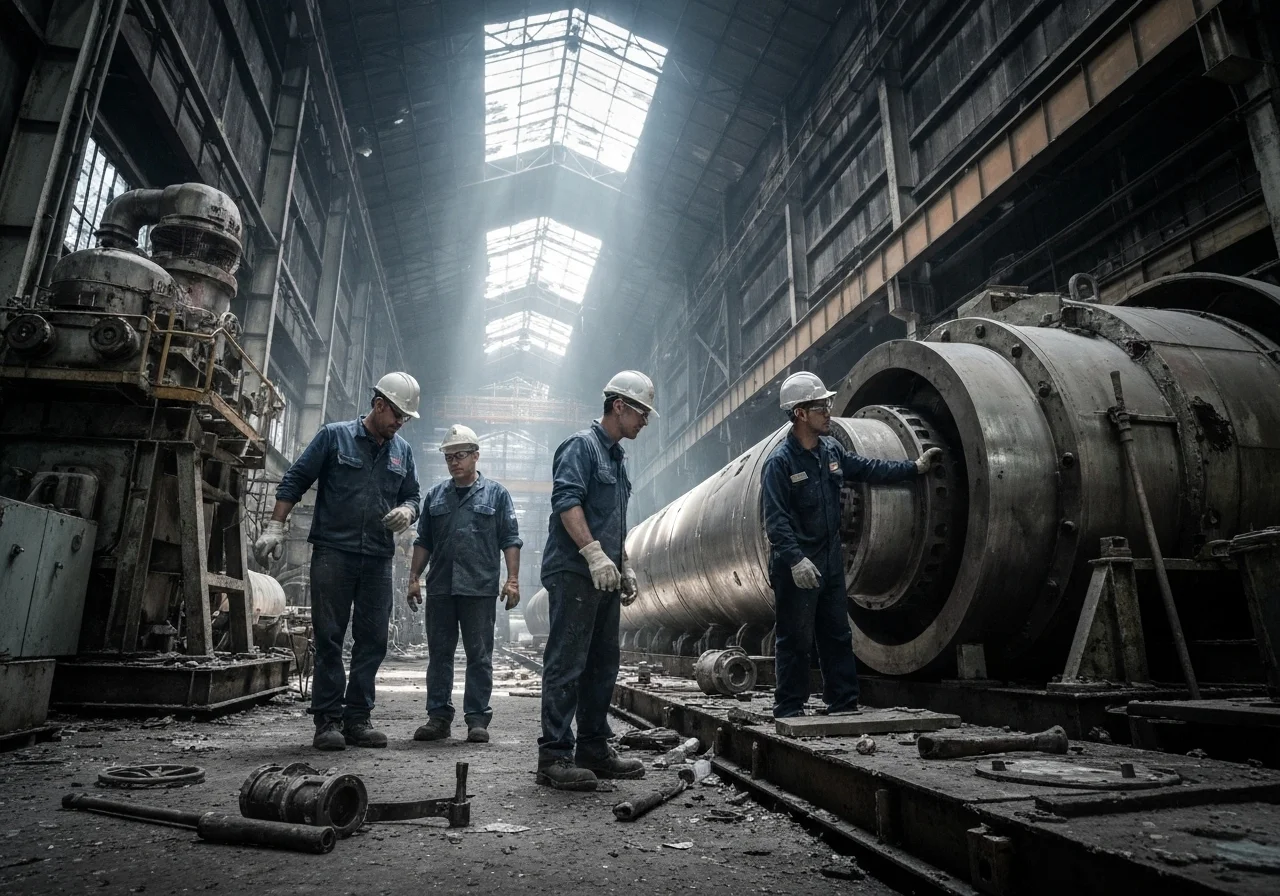
The 50% Section 232 tariffs on Canadian aluminum are rewriting North America’s supply chain playbook. The American Primary Aluminum Association (APAA) isn’t mincing words—they argue Quebec’s subsidized power deals gave Canadian smelters an unfair 17% cost edge (per OECD data), directly shuttering three U.S. plants since 2021. The ripple effects? A trifecta of market tremors:
- Localization wave: Nearly 70% of U.S. manufacturers are now dusting off domestic supplier contracts
- Premium pricing: North American LME futures trade at a 22% markup—a tariff-induced anomaly
- Capacity chess: Two mothballed smelters are suddenly back on the board for restart studies
Political Fallout from Trade Tensions
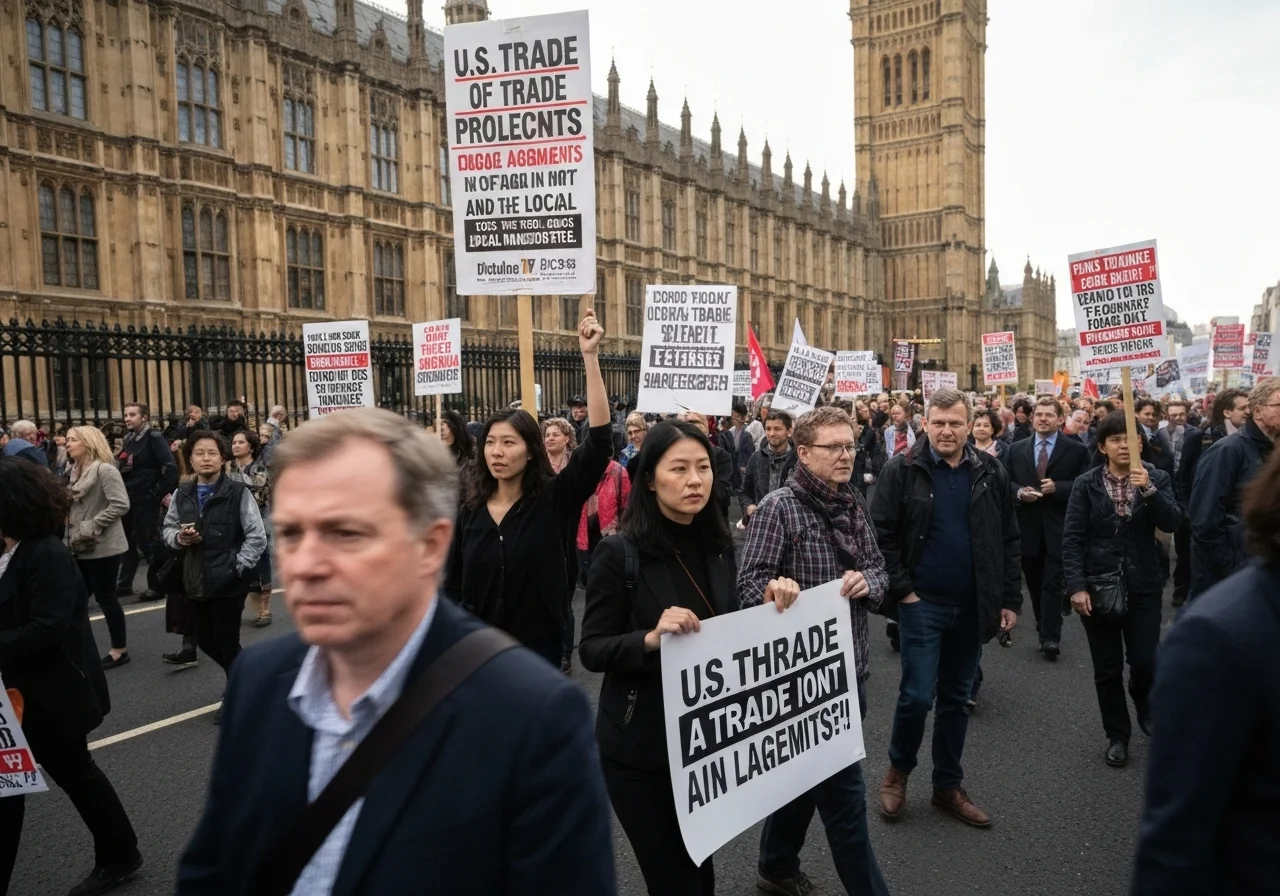
Frank McKenna’s Cassandra warnings—amplified by The Guardian—reveal a frostier reality: American business travel to Canada nosedived 39%, with TD Bank tracking CAD $2.1B in diverted investments. The diplomatic deep freeze crystallizes in three fronts:
- USMCA roulette: 43% of Canadian exporters are hedging bets with Asian trade lanes
- Tit-for-tat targeting: Ottawa’s playbook mirrors 2018—bourbon and auto parts in crosshairs
- Trust deficit: Nanos polls show Canadian skepticism of U.S. reliability more than doubled post-tariffs
Tariff Policy's Manufacturing Legacy
Geographic Distribution of Affected Smelters
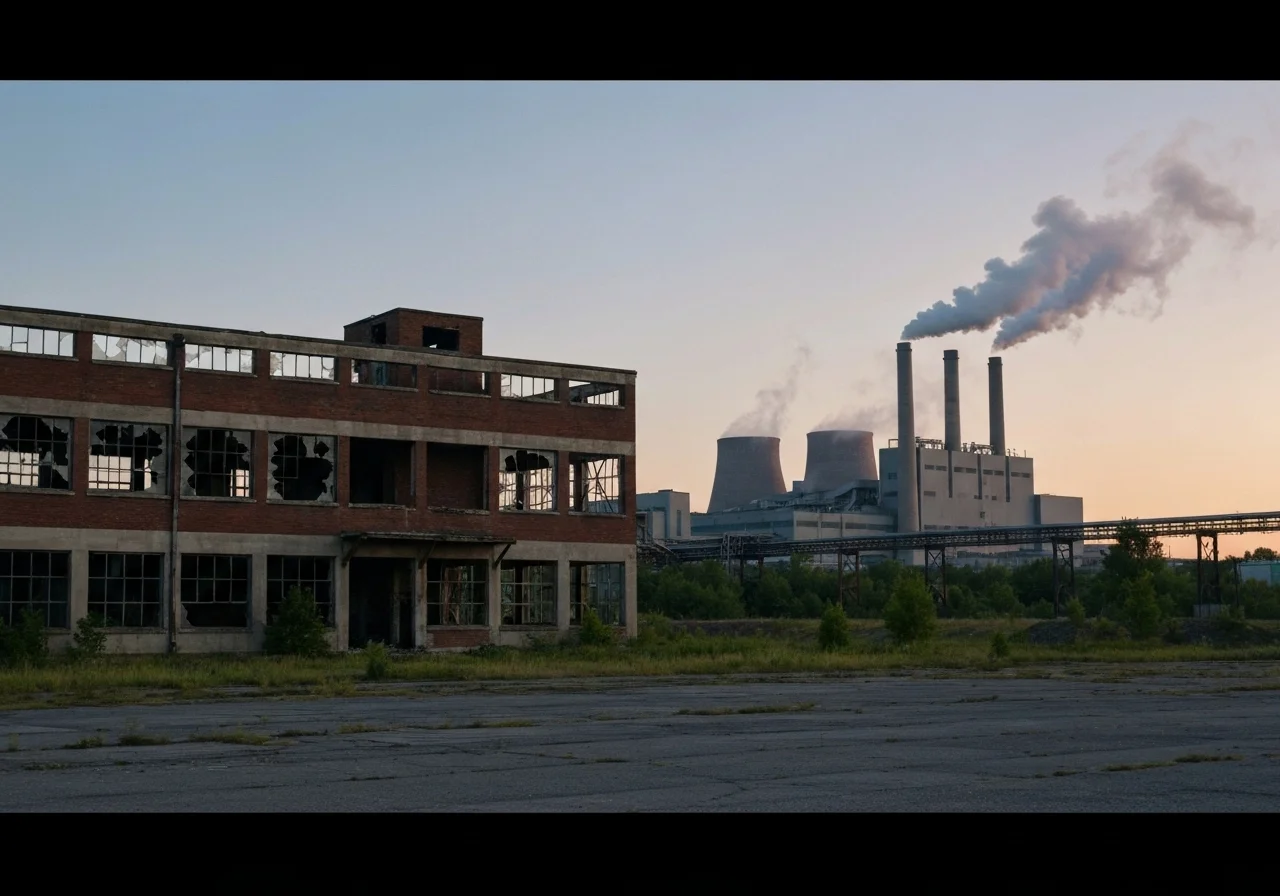
The 50% Section 232 aluminum tariffs carved a brutal divide across North America's smelting landscape—while U.S. plants like Warrick Operations and Hawesville bled out, Quebec's Alouette Smelter secured sweetheart power deals that kept its furnaces roaring. This isn't just about closed facilities; it's a masterclass in how subsidized Canadian aluminum can kneecap competitors when energy costs diverge by 40%. The numbers tell the ugly truth: three American plants dead, 1,350 paychecks gone, while Canada's Bécancour facility still hums with 800 workers.
ALUMINUM PLANT GEOGRAPHIC IMPACT
| Facility | Location | Operational Status (2025) | Employment Impact |
|---|---|---|---|
| Warrick Operations | Indiana, USA | Closed (2023) | 600 jobs lost |
| Hawesville | Kentucky, USA | Closed (2022) | 450 jobs lost |
| Massena West | New York, USA | Closed (2021) | 300 jobs lost |
| Alouette Smelter | Quebec, Canada | Operational | 1,000 employed |
| Bécancour Smelter | Quebec, Canada | Operational | 800 employed |
Workforce and Supply Chain Disruptions
Let's cut through the DC spin—those 1,350 lost jobs weren't just statistics, they were Midwest towns gutted while OECD data confirmed Canada's CAD$0.045/kWh power advantage was the equivalent of giving smelters free jet fuel. The domino effect hit just-in-time supply chains like a sledgehammer, with automakers waiting an extra month for extrusions as logistics teams scrambled. Remember when "reshoring" was the rallying cry? The reality became shuttered cafeterias in Kentucky and 20% cost spikes for stamped auto parts—all while Quebec's government-backed facilities laughed all the way to the bank.
Long-Term Industrial Policy Consequences
Five years later, the tariff's legacy reads like a divorce settlement—USMCA trade flows show 14% less continental integration, while Ford quietly inks deals with Emirates Global Aluminum. The APAA's "2,200 jobs saved" talking point rings hollow when you see the $1.2B investment exodus from Michigan to Alberta. This wasn't just about leveling the playing field; it became a case study in how trade wars can fracture supply chains faster than you can say "protectionism." The real kicker? Those same Canadian execs who cried foul are now building state-of-the-art smelters in British Columbia with cash that might've revitalized Ohio.
References


Get Daily Event Alerts for Companies You Follow
Free: Register to Track Industries and Investment Opportunities